THE expanding conflict in West Asia has raised fears of a prolonged disruption to global energy markets, particularly as military exchanges and threats to critical infrastructure continue to escalate.
AFP, on Monday, cited the head of the International Energy Agency, Fatih Birol, warning that the world could face an unprecedented energy crisis if the war drags on.
He said the scale of supply disruption already exceeds the combined effects of the 1970s oil shocks and the fallout from the war in Ukraine.
“This crisis as things stand is now two oil crises and one gas crash put all together,” Birol said. “No country will be immune to the effects of this crisis if it continues to go in this direction.”
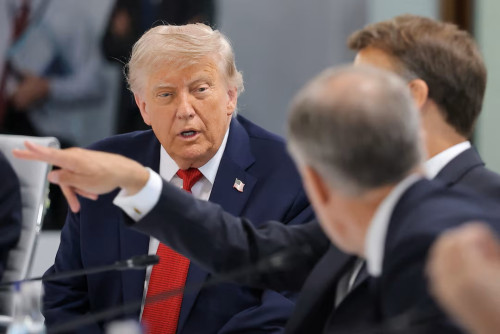
The warning comes as U.S. President Donald Trump threatened to “obliterate” Iranian power plants if Iran failed to reopen the strategically vital Strait of Hormuz within 48 hours, effectively setting a deadline that has heightened global market anxiety.
The maritime chokepoint is a critical artery for global energy trade, carrying a significant share of the world’s crude oil shipments.
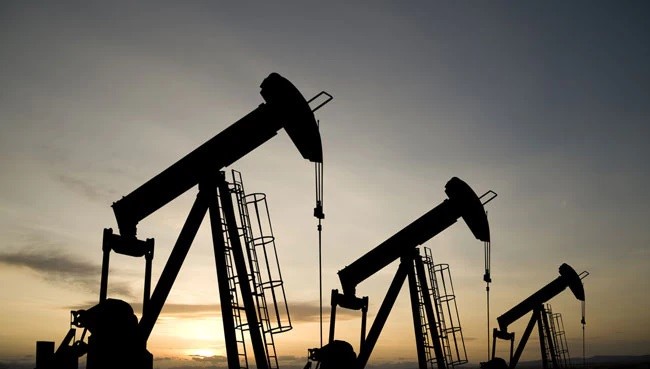
Any sustained disruption to traffic through the strait has already begun to reverberate across global markets, with oil prices climbing above US$100 per barrel amid fears of constrained supply.
In response to escalating threats, Iran has partially restricted maritime traffic through the strait while continuing retaliatory actions against US and Israeli targets across the region.
Tehran has also launched missile and drone strikes, further intensifying the conflict with Israel and its allies.
Iran’s parliamentary speaker, Mohammad Bagher Ghalibaf, issued a strong warning that regional infrastructure could face severe consequences if the United States proceeds with its threats, stating that vital assets across the region could be “irreversibly destroyed”.
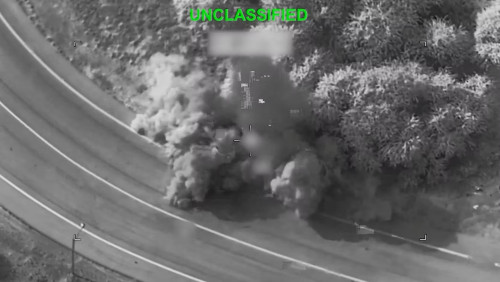
Military exchanges have continued to widen geographically. Israel has conducted fresh strikes on Tehran, while also expanding operations against Iran-backed groups such as Hezbollah in Lebanon.
Israeli officials have warned that fighting in Lebanon could continue for weeks, with ground operations and infrastructure targeting reportedly intensifying.
Lebanon has already seen significant human and material costs, with over a million people displaced and more than 1,000 fatalities reported by health authorities, according to regional accounts.
Lebanese President Joseph Aoun described Israel’s actions as a dangerous escalation that could precede a broader ground offensive.
Meanwhile, Israeli Prime Minister Benjamin Netanyahu has indicated a prolonged campaign against Iran and its regional allies, framing the conflict as part of a wider security confrontation that followed the Hamas attack on Israel on 7 October 2023.
Inside Israel, Iranian missile strikes have managed to evade air defences and reach southern areas, including Dimona, near a site widely believed to be associated with Israel’s nuclear programme.
Residents reported unexpected impacts despite long-standing perceptions of safety under the country’s defence systems.
In Iran, casualty figures continue to rise, with reports estimating thousands killed since the conflict began, including a significant number of civilians, though independent verification remains limited due to restricted access to affected areas.
The economic consequences are spreading beyond the immediate region. Energy markets have reacted sharply to the instability, with stock markets declining and oil prices surging.
Supply chain disruptions are also beginning to affect distant countries, including Cambodia, where a major supplier has halted liquefied petroleum gas sales due to shortages linked to the conflict.
The risk to global energy security is particularly acute for Asia, where a large proportion of oil and liquefied natural gas imports originate from the Persian Gulf.
Countries such as the Philippines, Vietnam and Malaysia are among the most exposed in the Association of Southeast Asian Nations (ASEAN), according to research cited by Maybank Investment Bank.
The report indicates that the Philippines imports 95 per cent of its crude oil, followed by Vietnam at 88 per cent and Malaysia at 69 per cent, underscoring the region’s vulnerability to disruptions in Middle Eastern supply routes.
Singapore also plays a key role as a refining and distribution hub, particularly for jet fuel, making it sensitive to shifts in global flows.
Additional data highlights that Vietnam relies heavily on Gulf imports for liquefied petroleum gas, while Indonesia has a comparatively more diversified supply base.
Thailand and Singapore also depend on Gulf sources for a portion of their diesel and gas imports, though to varying degrees.
Beyond oil and gas, the Gulf region remains a major supplier of fertilisers and petrochemical inputs that underpin agriculture and industrial production across Asia. Dependence on these commodities adds another layer of risk to regional economies already facing rising energy costs.
In Malaysia, government fuel subsidies have surged in response to rising global oil prices, increasing from approximately RM700 million to RM3.2 billion within a week.
Authorities have adjusted unsubsidised fuel prices upward while maintaining targeted subsidies for eligible groups through existing programmes.
China has also warned that continued escalation could create an uncontrollable situation in the Middle East, reflecting broader international concern over the potential for the conflict to expand further and disrupt global stability.
As military tensions persist and diplomatic warnings mount, analysts say the combination of restricted shipping lanes, damaged energy infrastructure and retaliatory strikes could continue to exert upward pressure on energy prices while testing the resilience of global supply chains in the weeks ahead. - March 23, 2026