EXPERTS caution that a hasty conclusion to the conflict with Iran, particularly without a formal agreement, could leave Tehran in a position of power over Middle East energy routes, while Gulf Arab oil and gas producers absorb the consequences of a war they neither initiated nor controlled.
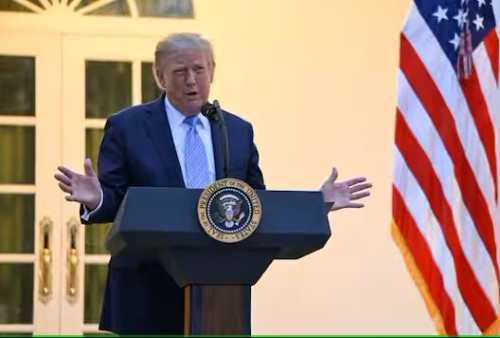
Reuters reported on Thursday that in remarks ahead of a national address, U.S. President Donald Trump indicated that Washington could end military operations in Iran “pretty quickly,” even in the absence of a negotiated settlement.
In his speech, he reiterated the possibility of intensified strikes, signalling that attacks on Iran’s energy and oil infrastructure could escalate if Tehran failed to comply with U.S. demands.
“The issue is the cessation of the war without a real outcome,” said Mohammed Baharoon, director of Dubai’s B’huth Research Center.
“He might stop the war, but that doesn’t mean Iran will.” Baharoon highlighted that as long as U.S. forces remain in Gulf bases, Tehran retains the capacity to threaten regional stability.
Analysts note that the Gulf states face a precarious situation: Iran could emerge from the conflict unscathed, leveraging the war to control shipping lanes, energy flows, and exert political influence, while Gulf countries shoulder the economic and strategic burdens.
“Iran could begin playing the territorial waters card and setting the rules in the Strait of Hormuz, a vital artery for global energy supplies,” Baharoon added.
The conflict escalated further following the killing of Iran’s Supreme Leader Ayatollah Ali Khamenei, a move intended to decapitate the leadership.
Analysts argue that this instead radicalised Iran’s clerical establishment and Revolutionary Guards, framing resistance as an existential duty.
“In one stroke, Trump and Netanyahu have turned a geopolitical conflict into a religious and civilisational one,” said Middle East scholar Fawaz Gerges.
“They have elevated Khamenei from a contested ruler into a martyr.”
Iran’s asymmetric strategy has focused on creating economic pressure rather than achieving air superiority.
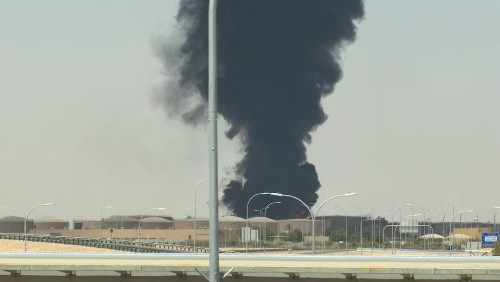
By threatening energy infrastructure and the Strait of Hormuz, Tehran has disrupted global oil markets, raised fuel prices, and transferred the economic burden to its adversaries.
Magnus Ranstorp, a terrorism expert, noted that Tehran has “a vast capability to punish the United States and Israel” far beyond the battlefield, using networks developed over decades.
Regional analysts warn that a U.S. withdrawal without security guarantees would leave Gulf states exposed and fail to alter the strategic balance.
“The theocratic system will have endured, and Iran will be seen as more dangerous than before,” they concluded, highlighting the risks of ending the conflict prematurely. - April 2, 2026