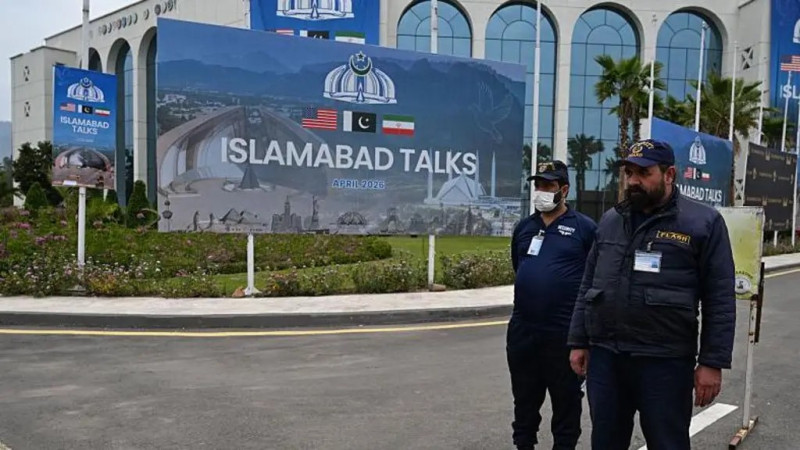
TOP officials from the United States and Iran have gathered in the Pakistani capital Islamabad to begin high-level negotiations aimed at bringing an end to a prolonged and destructive war in the Middle East, a conflict that has caused thousands of deaths, disrupted global energy markets and strained the world economy.
Reuters reported today that the talks come at a moment of significant geopolitical tension, with both sides outlining firm positions on key issues that must be addressed before any agreement can be reached.
Iran has made clear that it will only enter formal negotiations if the United States first commits to a ceasefire in Lebanon and agrees to lift economic sanctions that have severely impacted the Iranian economy.
A central point of contention is the ongoing conflict in Lebanon, where Israeli military operations against Iran-backed Hezbollah forces have resulted in nearly 2,000 deaths since fighting escalated in March.
While Israel and the United States have maintained that the Lebanon campaign is separate from broader negotiations with Iran, Tehran insists that any comprehensive ceasefire must include an immediate halt to hostilities in Lebanon.
Another major issue under discussion is the future of economic sanctions on Iran. Tehran is demanding the unfreezing of its assets and the removal of long-standing sanctions that have crippled its financial system.
Washington has indicated a willingness to consider significant sanctions relief, but only if Iran agrees to concessions related to its nuclear activities and missile development programmes.
Control over the strategically vital Strait of Hormuz is also expected to be a critical topic during the talks. Iran is seeking recognition of its authority over the waterway, with plans to regulate transit and impose fees on passing vessels.
The United States, however, has insisted that the strait must remain open to global shipping, including oil tankers, without restrictions or tolls, citing its importance to international trade and energy supply.
Iran is also expected to demand compensation for damage suffered during the six-week war, although the United States has not publicly addressed this issue.
In addition, Tehran continues to assert its right to enrich uranium, a position that Washington has firmly rejected. United States President Donald Trump has repeatedly stated that Iran must not be allowed to pursue uranium enrichment under any future agreement.
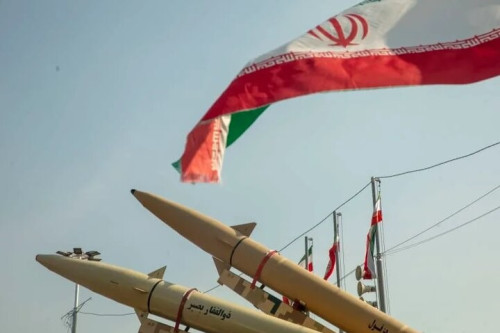
Missile capabilities represent another major obstacle. Both the United States and Israel are pushing for significant reductions in Iran’s missile arsenal, which Tehran has described as essential to its national defence and therefore non-negotiable.
Iran has also called for the withdrawal of United States military forces from the region, a complete cessation of hostilities across all fronts and a formal commitment to non-aggression.
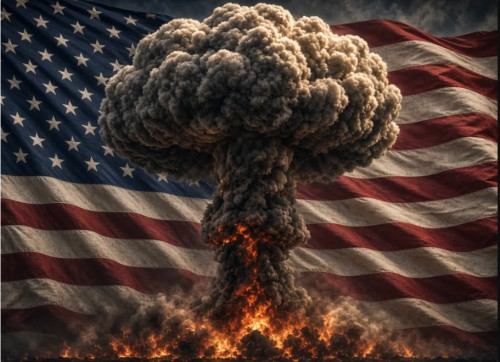
However, President Trump has indicated that American military assets will remain in the Middle East until a satisfactory peace agreement is secured, warning that failure to reach a deal could lead to further escalation of the conflict.
As negotiations continue in Islamabad, the outcome remains uncertain, with both sides holding firm to positions that reflect deep-rooted strategic interests and longstanding mistrust. - April 11, 2026