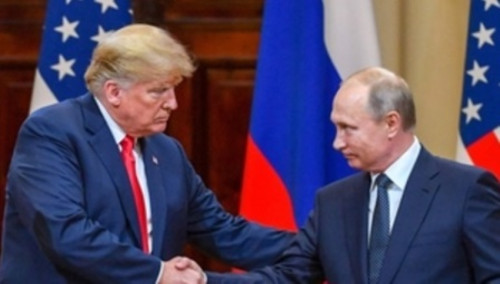
UNITED States President Donald Trump rules out any immediate easing of sanctions on Iran, declaring that Washington will only consider economic relief once a permanent agreement formally ending the conflict with Tehran is signed.
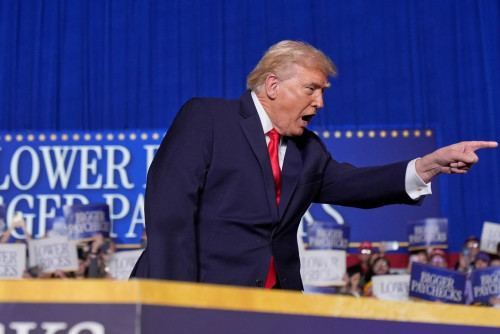
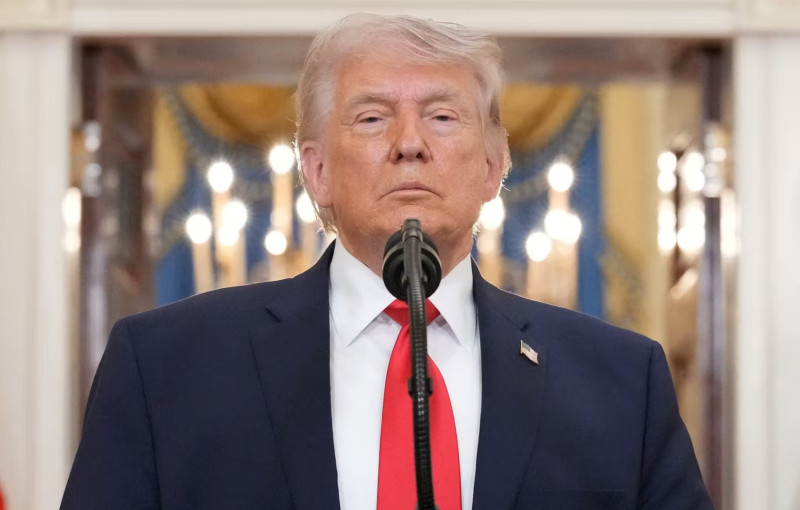
Speaking to reporters at Joint Base Andrews on Wednesday, Trump insisted the United States would maintain pressure on Tehran despite negotiations entering what he described as their final phase.
“I’m not doing any relief until they sign an agreement. When they sign an agreement, we can get that place built up again and have something that’s really a good country for the people, but no, we haven’t offered anything,” he said.
Trump’s remarks signalled a hardening of Washington’s negotiating stance even as diplomatic efforts intensify to secure a long-term settlement following months of regional conflict involving Iran, Israel and the United States.
Earlier in the day, Trump said talks were now in their “final stages” but stressed that he was “in no hurry” to conclude them.
The US President also questioned the intentions of Iran’s leadership, arguing that the country’s worsening domestic conditions had fuelled growing public dissatisfaction.
“I just wonder whether or not they have the good of the people, because some of the things they’re doing, to me, mean they don’t have the good of the people, and they have to have the good of the people. There’s a lot of anger now in Iran, because people are living so badly,” he said.
Diplomatic activity surrounding the negotiations intensified further on Wednesday when Pakistan’s Interior Minister Mohsin Naqvi arrived in Tehran for his second visit to Iran within a week, according to Iranian state broadcaster IRIB.
Following his arrival, Naqvi met Iranian Interior Minister Eskandar Momeni amid continuing mediation efforts spearheaded by Islamabad.
Pakistan has emerged as a key intermediary in attempts to secure a durable ceasefire and broader political settlement between Iran, the United States and Israel.
Regional tensions escalated dramatically on Feb 28 after the United States and Israel launched coordinated strikes against Iran, triggering retaliatory missile and drone attacks by Tehran across the region.
The confrontation also disrupted global shipping routes after Iran moved to shut the Strait of Hormuz, one of the world’s most strategically important energy corridors.
A ceasefire eventually came into effect on April 8 through Pakistani mediation, although negotiations held in Islamabad failed to secure a permanent agreement.
Trump subsequently extended the truce indefinitely while maintaining restrictions on vessels travelling to and from Iranian ports through the vital waterway. - May 21, 2026