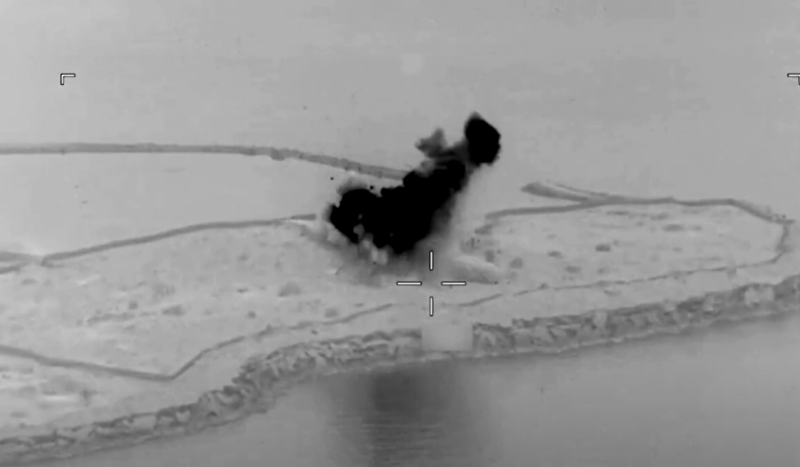
HOPES for a negotiated pause in the three-month conflict between the United States and Iran have suffered a fresh setback after American forces launched strikes against Iranian coastal radar and surveillance facilities following what Washington described as a direct threat to maritime traffic in the Strait of Hormuz.
Reuters reported that the latest escalation unfolded after U.S. forces intercepted and destroyed four Iranian drones believed to have been operating near one of the world's most strategically important shipping corridors, through which a substantial share of global energy supplies normally passes.
According to the U.S. military, the drones were assessed to be targeting maritime activity in the region, prompting a retaliatory operation against Iranian monitoring facilities located at Goruk and on Qeshm Island, both overlooking the narrow waterway.
The incident marks one of the most serious military confrontations in the Gulf since the outbreak of war on 28 February and raises fresh concerns about the security of international shipping and global energy supplies.
Iran's Islamic Revolutionary Guard Corps responded by claiming responsibility for missile attacks against U.S. military installations in the region and warning that any further military action would be met with force.
Tehran also asserted that it had targeted vessels attempting to transit the Strait of Hormuz without its authorisation, reinforcing concerns that the waterway remains effectively under Iranian pressure despite ongoing diplomatic contacts.
Regional tensions intensified further as Kuwait reported intercepting missiles and drones of undisclosed origin, while emergency sirens sounded across Bahrain and residents were instructed to seek shelter.
Iran claimed it had launched ballistic missiles at American bases in both countries. However, the U.S. military stated that six missiles were intercepted and that a seventh failed to reach its intended target.
The renewed hostilities come as Washington and Tehran continue indirect negotiations aimed at securing an interim agreement to halt fighting and create space for broader discussions on contentious issues, including Iran's nuclear programme.
Despite months of diplomatic engagement, significant differences remain unresolved.
Iran is seeking access to billions of dollars in oil revenue, relief from sanctions affecting crude exports, the removal of restrictions affecting its ports and greater leverage over the Strait of Hormuz as part of any future settlement.
The strategic waterway has become a central bargaining point in negotiations, with disruptions to shipping contributing to higher oil prices and growing concern across global markets.
The economic impact of the conflict is increasingly being felt far beyond the region. Rising fuel costs and supply chain disruptions have affected international trade, while humanitarian organisations have warned of worsening food insecurity linked to escalating transport and energy costs.
Domestically, U.S. President Donald Trump is facing mounting pressure over the economic consequences of the conflict, particularly rising petrol prices and growing public fatigue with the war.
Speaking to NBC News, Trump said Iran's military capabilities had been significantly degraded but remained far from eliminated.
“They have some missiles, they have some drones. I would say percentage wise, maybe 21%-22% of their missiles. It's a lot of missiles, but it's not what it was when we first attacked,” Trump said.
Asked why Iranian leaders had yet to embrace a negotiated settlement despite sustained military pressure, Trump suggested Tehran remained resistant because of national pride and strategic calculations.
“Because they are strong. They're proud. There are things they never thought they'd be doing that they're going to have to do, they've got no choice, and it takes a little while,” he said.
Meanwhile, the conflict is increasingly spilling into other regional theatres.
In Lebanon, Hezbollah announced fresh attacks against Israeli forces in the country's south, including operations near Beaufort Castle, while Lebanese security officials reported additional Israeli air strikes across southern districts.
The Iran-aligned movement has linked its military actions directly to support for Tehran and has rejected a U.S.-backed arrangement intended to reduce hostilities between Israel and Lebanon.
Iran has also made Israeli withdrawal from southern Lebanon a condition for any broader settlement with Washington, further complicating already difficult negotiations.
Hezbollah leader Naim Qassem recently rejected a U.S.-brokered understanding between Israel and the Lebanese government, arguing that the arrangement failed to secure an Israeli withdrawal and excluded the group from negotiations.
Israeli operations in southern Lebanon have continued despite diplomatic efforts, while senior Lebanese political figures have called for reciprocal withdrawals by both Israeli forces and Hezbollah fighters as a possible pathway towards de-escalation.
With violence continuing across the Gulf, Lebanon, Gaza and northern Israel, regional ceasefires promoted by Washington have done little to halt the fighting.
The latest exchange around the Strait of Hormuz has underscored the fragility of diplomatic efforts and reinforced fears that any miscalculation could trigger a broader confrontation with far-reaching consequences for regional security, global energy markets and international trade. - June 6, 2026