IRAN has reiterated its conditions for ending the war with the United States, including demands linked to sanctions and access to its ports, as regional powers intensify diplomatic efforts to prevent renewed fighting in the Persian Gulf.
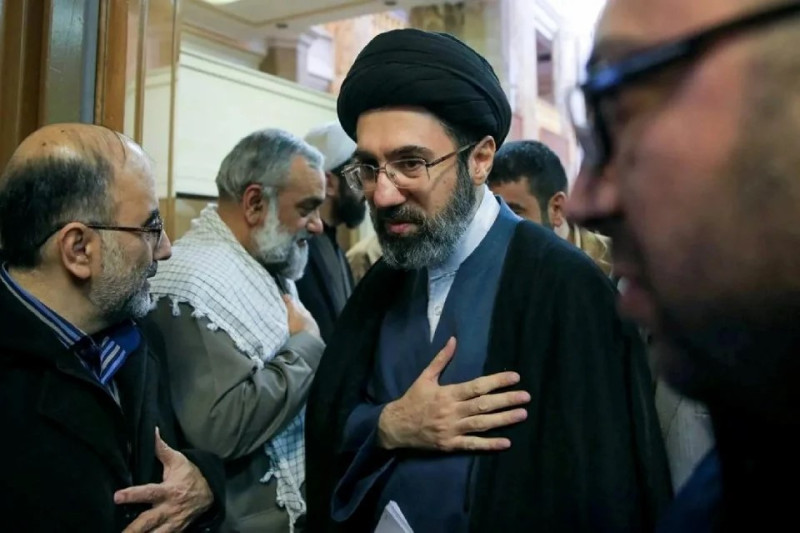
Supreme Leader Mojtaba Khamenei stressed the need to implement conditions set by Iranian officials to end the war and the current state of “neither war nor peace”, according to a statement posted on Telegram after a meeting with national security chief Mohsen Rezaee.
Tehran has previously insisted that Washington lift its naval blockade of Iranian ports along the Persian Gulf and remove sanctions as preconditions for peace talks. The United States, meanwhile, is pressing Iran to make concessions on its nuclear programme.
Khamenei’s statement came amid a diplomatic push to avert another round of US-Israeli strikes against Iran and address escalating tensions involving Saudi Arabia and Iran-backed Houthi rebels in Yemen.
Since Oct 25, Iran has hosted a Qatari delegation, alongside senior security officials from Saudi Arabia, Turkey and Pakistan. Qatar has played a key mediating role between Tehran and Washington.
China’s Foreign Ministry said on Oct 27 that Beijing was also sending special envoys to the region to “prevent worsening of the situation”.
Khamenei and Rezaee also discussed safeguarding national and regional security through the exercise of control over the Strait of Hormuz, Reuters cited him saying in a statement on Telegram.
The strategic waterway is vital to global energy supplies. Disagreements over the strait contributed to the collapse of the previous ceasefire between Iran and the United States in June.
Tehran insists on retaining control over the waterway, while Washington wants freedom of passage restored. The two sides also remain divided over Iran’s nuclear programme, including whether Tehran should be permitted to enrich uranium.
Khamenei, Iran’s ultimate decision-maker, has not appeared in public since the war began, prompting questions about his health and the extent of his involvement in policymaking.
Parliament Speaker Mohammad Bagher Ghalibaf said on Oct 27 that Khamenei was in “complete health and maintains full command of the country’s domestic and international affairs”, following a meeting with him the previous week.
Meanwhile, Iranian President Masoud Pezeshkian has pursued diplomatic engagement with regional and international leaders, including Qatar’s Emir Sheikh Tamim bin Hamad Al Thani, on the sidelines of a gas summit in Moscow.
Pezeshkian also met Russian President Vladimir Putin on Oct 27, saying the Middle East could resolve its problems without US involvement.
“I believe we are capable of resolving our problems in the region without relying on the United States,” Pezeshkian said during their meeting on the sidelines of the Gas Exporting Countries Forum summit.
He said US actions in the region were encouraging Iran to pursue greater multilateral cooperation with Russia and other countries subject to unilateral US sanctions.
Putin said the two leaders had discussed the regional conflict and expressed hope that the situation would improve.
“We spoke earlier, one-on-one, about the situation in the region – a situation that, undoubtedly, cannot help but cause concern,” he said.
Pezeshkian said both countries were willing to expand cooperation in science, industry, culture, security and military affairs. - October 28, 2026