WASHINGTON – The US Congress was told by security officials that the deadly January 6 Capitol riot exposed security flaws.
Among the most serious lapses revealed: the Federal Bureau of Investigation sent US Capitol police (USCP) a report on the eve of the unrest warning that extremists groups were coming to Washington “ready for war,” but the document did not reach USCP leadership.
And lawmakers also heard that military officials had been “reluctant” to send troops to defend Congress, even when it was clear conditions at the Capitol had deteriorated.
In the first congressional hearing on the attack, police chiefs and the House and Senate sergeants at arms acknowledged they were blindsided by lack of intelligence and response coordination to the worst domestic insurrection since the Civil War.
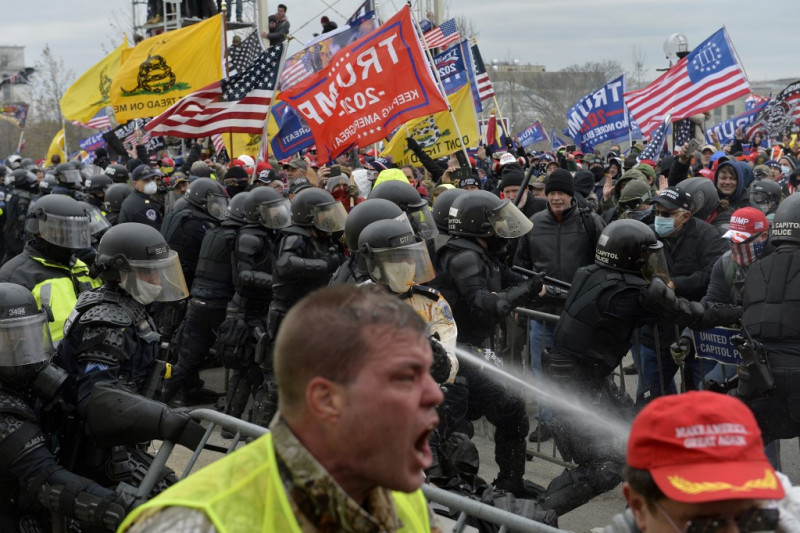
In compelling testimony they painted a picture of officers badly outnumbered by armed and coordinated insurgents.
They pointed to a series of intelligence shortcomings about the threat level, including assessments of “remote” and “improbable” chances of major violence on January 6, even though extremist groups like the Proud Boys made clear they were coming to Washington that day to stir up trouble.
“No entity, including the FBI, provided any intelligence indicating that there would be a coordinated violent attack on the United States Capitol by thousands of well-equipped armed insurrectionists,” a situation that left his officers woefully unprepared against a violent mob, said the USCP’s then-chief Steven Sund.
Later in the four-hour joint hearing before the Senate homeland security and rules committees, however, Sund said the USCP “did get” the FBI report warning of violence, but “no leadership, myself included, over at Capitol Police was made aware of that at the time of the event.”
“That's very concerning,” Senator Jeff Merkley told Sund during questioning.
Sund resigned his post days after the riot, which left five dead including one police officer and four other people. Two other police officers died by suicide shortly afterwards.
House sergeant-at-arms Paul Irving and Senate sergeant-at-arms Michael Stenger also resigned.
Irving testified that “the intelligence was not that there would be a coordinated assault on the Capitol, nor was that contemplated in any of the inter-agency discussions that I attended in the days before the attack.”
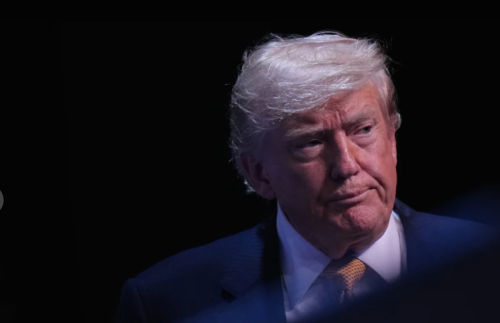
The unprecedented breach of the citadel of American democracy occurred after then-president Donald Trump whipped up a crowd of his supporters, urging them to march on Congress and “fight like hell.”
The riot, fuelled by Trump’s repeated false claims that the election was rigged, appeared aimed at blocking the certification of Joe Biden as winner of the November 3 vote. – AFP, February 24, 2021