KUALA LUMPUR – Some of the region’s most prominent opposition politicians have formed the Southeast Asia Community (SEAC) multilateral pact to serve as an alternative to the inter-governmental Asean bloc.
As a grassroots organisation, SEAC aims to be an open, participatory and inclusive group that upholds democracy, freedom, human rights, and social and economic justice.
The movement was launched during a virtual press conference today, featuring exiled Cambodian opposition leader Sam Rainsy, Indonesian MP Fadli Zon, Malaysia’s Subang MP Wong Chen, Myanmar’s Union Minister of International Cooperation Dr Sasa, former Thai foreign minister Kasit Piromya, and former Cambodian women and veterans’ affairs minister Mu Sochua.
On why SEAC was formed, Rainsy said the Asean grouping has failed to keep pace with current developments, becoming an outdated relic and “enemy” rather than an engine for progress in the region.
“Any regional group that is based on shared interests needs to evolve, as the interests of members will change over time. These interests may even become opposition to one another, calling the cohesion, and even the existence, of the grouping into question.”
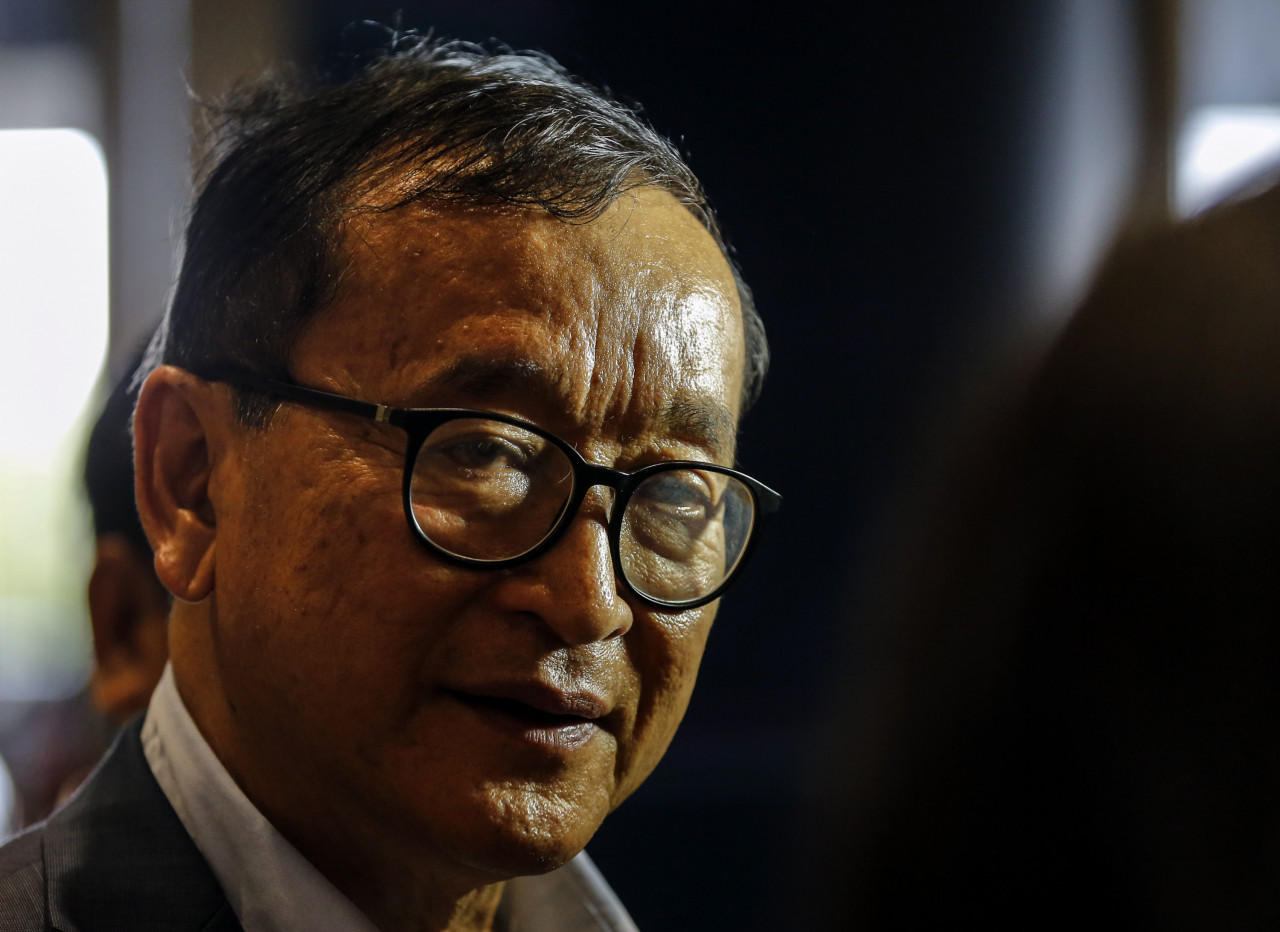
He said Asean’s shared interests were poorly defined from the outset, and the common interests of member states have served to benefit dictators ready to support one another in attempts to cling on to power.
In recent years, Asean has simply appeared to be a club for dictators, whose interests are opposed to those of the peoples they oppress. A more genuine regional community must be based on the peoples’ shared values and aspirations.
“That is why we are creating a Southeast Asian community that aims to protect the values of our peoples and advance their right to elect their governments in free and fair elections.”
Kasit said the February 1 military coup in Myanmar shows that Asean members are not in a position to tackle the issues of freedom in the country and the removal of a democratic regime.
“There is a need for Asean to reform itself, or to come up with a transformation based on democratic values, respect for human rights, and so on.”
He said SEAC will be based on democratic and people-oriented principles.
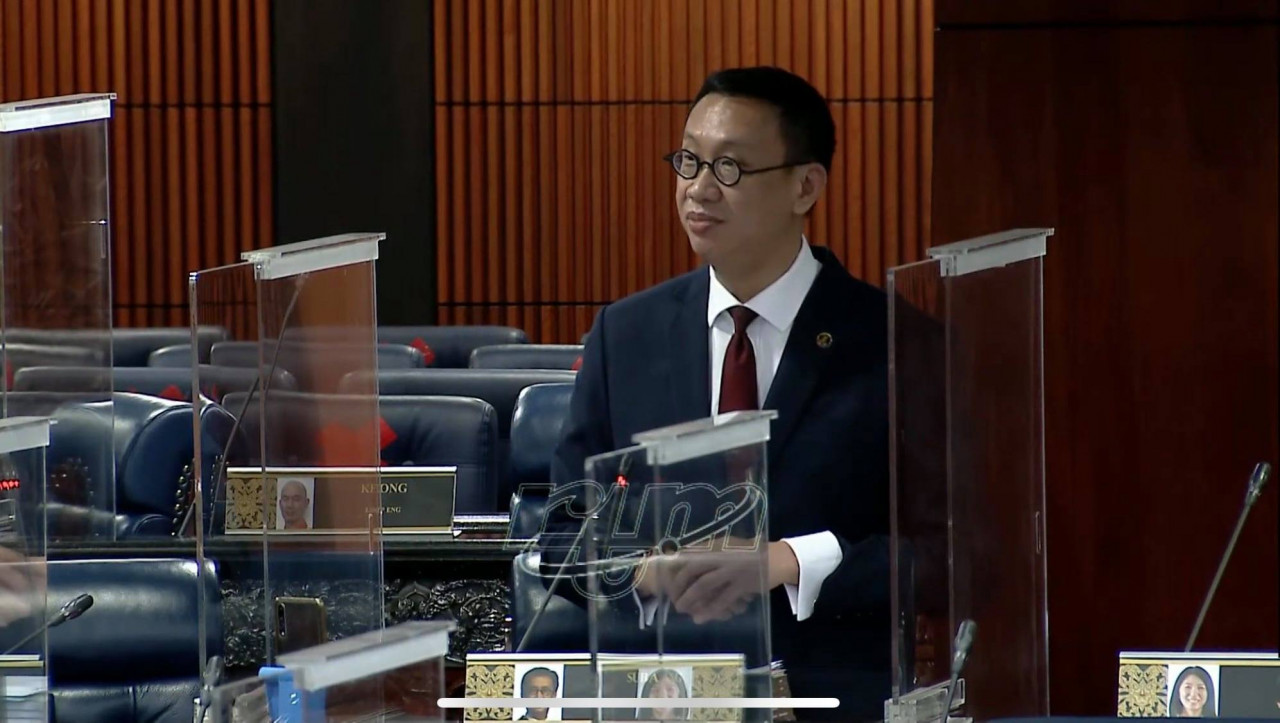
Fadli said Southeast Asian governments must adapt to the current complex challenges and regional dynamics, especially with regard to the principle of non-interference.
He cited the hindrances faced in attempts to provide humanitarian assistance to the Rohingya minority in Myanmar.
“The principle of non-interference has also hindered Southeast Asian countries from discussing crucial matters that have fractured regional stability, human security, democracy and human rights.
Such experiences should not occur again. We can no longer limit our own efforts to address urgent matters. Therefore, we encourage a more flexible and broad-minded interpretation of the principle of non-interference, in a sense that it should not limit our capability as a region to answer complex challenges.”
On regional economic, trade, prosperity and poverty issues, Chen said SEAC members have discussed these matters for several months.
“We do see the need for robust economic growth as essential to our bigger goal of eradicating poverty, fostering better democracy and governance throughout the region, and encouraging more sustainable economics in Southeast Asia.”
He said SEAC will focus on intra-Southeast Asian trade.
“While Asean has performed reasonably well, there is still a lot of room for improvement. We also want to see bigger economic cooperation, and to turn the region into a seamless production and services powerhouse, so that we can compete competitively on a friendly basis with China and Europe.”
There is a need to address the economic disparity among the region’s nations, he said, adding that the creation of a Southeast Asian bank will help address this problem and reduce the influence of superpowers. – The Vibes, May 12, 2021