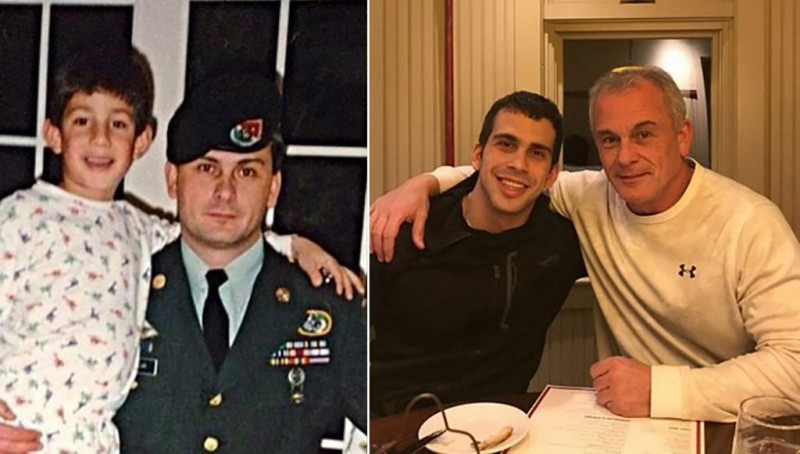
TOKYO – A Japanese court today sentenced an American father-son duo who helped former Nissan chief Carlos Ghosn flee the country to between 20 months and two years in prison.
The sentence is the first handed down in Japan in the Nissan saga, which began with former auto tycoon Ghosn’s shock arrest in Japan in 2018 on financial misconduct allegations.
Former United States special forces operative Michael Taylor was sentenced to two years, while his son Peter received a sentence of 20 months.
The Taylors did not contest the allegations against them, admitting their role in the audacious escape that left Ghosn an international fugitive in Lebanon.
They had been facing up to three years in prison over the escape, which US prosecutors described as “one of the most brazen and well-orchestrated escape acts in recent history”.
The pair had both apologised in previous hearings, expressing remorse for helping Ghosn jump bail as he awaited trial in 2019.
Japanese prosecutors said earlier this month they were seeking a sentence of two years, 10 months for Michael, and two years, six months for Peter.
Their defence lawyers had argued that a suspended sentence was appropriate given their remorse.
They also argued that the pair’s 10-month detention in the US before extradition should be considered in sentencing. The Taylors arrived in Tokyo in March after losing their battle against extradition.
At their first hearing, in June, prosecutors described the almost-cinematic details of the operation – including that Ghosn was hidden in a large case with air holes drilled into it to slip past security at an airport.
He told the BBC recently about the experience, describing the half-hour in the box waiting for the plane to take off as “probably the longest wait I've ever experienced in my life”.
A third man, identified as George Antoine Zayek, is also accused of involvement in the escape but remains at large.
According to the prosecution, the Ghosn family paid the Taylors more than US$860,000 (RM3.6 million) for preparation and logistical costs, and US$500,000 in cryptocurrency for lawyers’ fees. – AFP, July 19, 2021