YANGON – Myanmar’s ousted leader Aung San Suu Kyi was jailed for two years after being found guilty yesterday of incitement against the military and breaching Covid-19 rules – in a ruling that drew swift international condemnation.
A special court initially sentenced the 76-year-old Nobel laureate to four years in prison, but she was partially “pardoned” hours later by the junta chief, who halved the sentence to two years.
Suu Kyi has been detained since the generals staged a coup and ousted her government on February 1, ending the Southeast Asian country’s brief period of democracy.
She has since been hit with a series of charges, including violating the official secrets act, illegally importing walkie talkies, and electoral fraud, and faces decades in prison – if convicted on all counts.
Former president Win Myint was also initially jailed for four years yesterday, but was “pardoned” by junta chief Min Aung Hlaing and sentenced to “two years imprisonment”, according to a statement read out on state TV.
They will serve their sentences by remaining under house arrest in the capital of Naypyidaw, the statement said, without giving further details.
Yesterday evening, residents in parts of commercial capital Yangon banged pots and pans – a practice traditionally associated with driving out evil spirits, but has been used since February to show dissent against the military.
The United States led international condemnation of the sentences, with Secretary of State Antony Blinken calling the convictions “unjust” and “affronts to democracy and justice”.
“We urge the regime to release Suu Kyi and all those unjustly detained,” he said in a statement.
United Nations (UN) rights chief Michelle Bachelet said the conviction “following a sham trial in secretive proceedings before a military-controlled court, is nothing but politically-motivated”.
The Nobel Committee noted it is “concerned” for the 1981 Peace Prize laureate, saying it fears the consequences “for the future of democracy in Myanmar”, but also the “impact a long prison term may have on Suu Kyi personally”.
The pardon was “more stage managed than even the sentencing itself”, said International Crisis Group’s Myanmar senior adviser Richard Horsey.
“If it was an attempt at magnanimity, it has fallen flat.”
Court gag order
Suu Kyi’s incitement conviction is related to statements her National League for Democracy (NLD) party had published shortly after the coup, condemning the generals’ takeover.
The Covid-19 charge is linked to last year’s election, which NLD won in a landslide, but the details are not clear as the government imposes a gag order on court proceedings.
Journalists have been barred from attending the special court hearings in Naypyidaw, and Suu Kyi’s lawyers were recently banned from speaking to the media.
In recent weeks, other senior members of NLD have received long sentences.
A former chief minister was sentenced to 75 years in jail, while a close Suu Kyi aide was jailed for 20.
Suu Kyi also faces multiple corruption charges – each carrying a possible sentence of 15 years in prison.
Yesterday’s verdict was on “the soft charges that the regime could have spared her, but chose not to”, said independent analyst Soe Myint Aung.
“The military seems to have doubled down on its highly oppressive approach toward NLD and Suu Kyi herself.”
The military that has dominated life in Myanmar for decades has defended its coup, claiming fraud allegations in last year’s general election.
International pressure on the junta to restore democracy has made no progress, and bloody clashes with anti-coup protesters continue across the country.
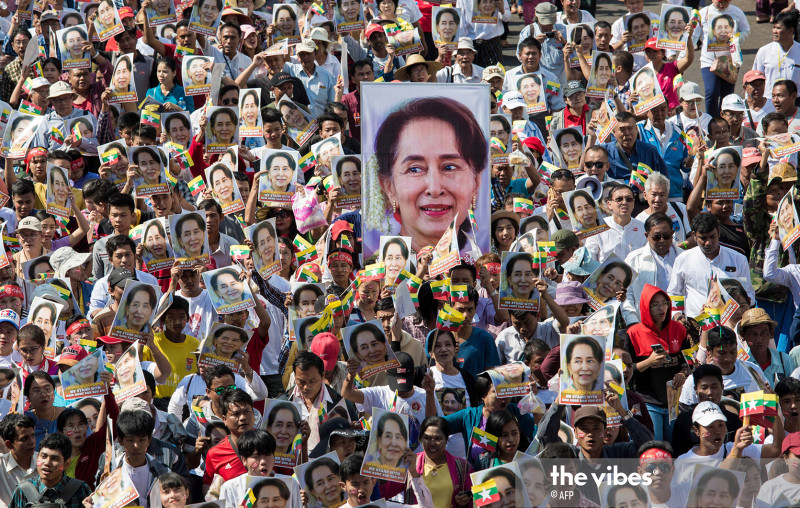
On November 5, soldiers in Yangon wounded at least three people after ramming a car into peaceful demonstrators, some of whom were carrying pro-Suu Kyi banners, eyewitnesses said.
State media said one had sustained serious wounds, and 11 had been arrested for protesting “without asking for permission”.
Yesterday, the UN General Assembly indefinitely shelved the junta’s request for recognition, which would see their choice of envoy accredited at the global forum.
The junta has previously criticised the decision not to accredit their ambassador, saying it does not reflect the reality on the ground. – AFP, December 7, 2021

.jpeg)