World

Good information ‘life-saving’, WHO says after Musk Twitter deal

Crucial to continue weeding out disinformation especially in public health crises        

Updated 4 years ago · Published on 27 Apr 2022 9:00AM

Good information ‘life-saving’, WHO says after Musk Twitter deal
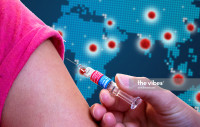
Since the beginning of the Covid-19 crisis, the UN health agency has voiced concerns over the flood of misinformation on Covid-19 and vaccines. – AFP pic, April 27, 2022

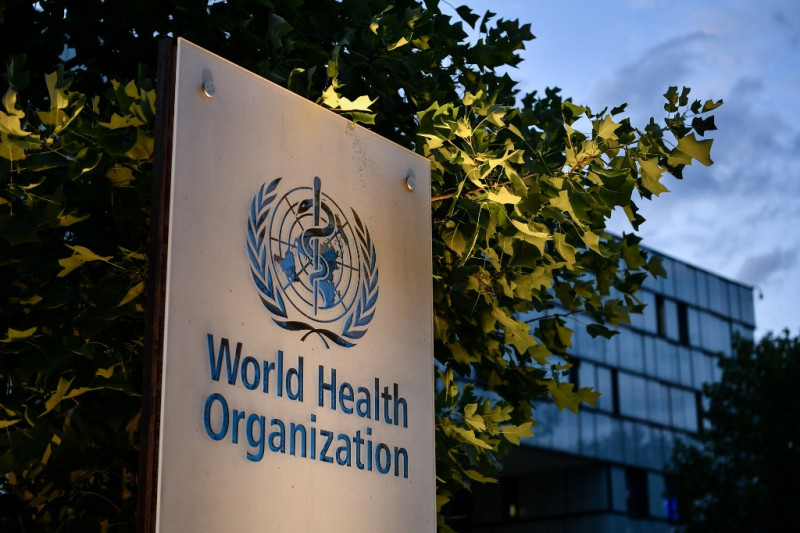
GENEVA – The World Health Organisation urged Twitter to keep working to root out disinformation following Elon Musk’s move to buy the social media platform – stressing when it comes to health, good information is “life-saving”.

“Good stewardship of those platforms is extremely important,” WHO emergencies chief Michael Ryan told reporters.

Musk, who has reached a $44 billion (RM190.3 billion) deal for Twitter, describes himself as a “free speech absolutist” who could encourage no-holds-barred exchanges between the network’s 400 million users.

This has raised fears his takeover could spell the end of efforts to rein in disinformation on the platform.

False information on social media is a particular concern when it touches on how to respond to a health crisis like the Covid-19 pandemic.

“It is not the business of WHO who owns or who manages those platforms,” Ryan said when asked about the deal.

“But certainly... when anyone reaches a position in life where they have so much potential influence over the way information is shared with communities, they take on a huge responsibility.”

“We wish Mr Musk luck with his endeavours to improve the quality of information that we all receive.”

Since the beginning of the Covid-19 crisis, the UN health agency has voiced concerns over the flood of misinformation on Covid-19 and vaccines. It has been working with Twitter and other social media platforms to battle this so-called “infodemic”.

“In cases like this pandemic, good information is life-saving,” Ryan said.

He added it could even be “more life-saving than having a vaccine, in the sense that bad information sends you to some very, very bad places.”

Kate O’Brien, the WHO’s vaccines chief, said information spread on platforms like Twitter “really has an impact on what people do.”

“It’s something we take really seriously,” she said. – AFP, April 27, 2022

Related News

Opinion / 3w

Elon Musk’s satellite network poised to reshape global connectivity?

Malaysia / 6mth

Covid-19 cases in Malaysia stable, no deaths recorded this year – MOH

Malaysia / 9mth

Bad move to channel EPF dividends into Account 3 for festive withdrawals, cautions economist

Opinion / 1y

A tale of two administrations: How Warisan and GRS shaped Sabah’s future

Malaysia / 1y

MOH closely monitoring Covid-19 amid rising cases in neighbouring countries

Opinion / 1y

The Trump dilemma and reclaiming balance: The urgent need for fair global trade

Spotlight

Malaysia

Anwar receives special recognition as 10,000 Muslims gather in Putrajaya

Malaysia

Video of elderly man being assaulted goes viral on social media

Malaysia

The wide reach of corruption and organised crime in the country

Malaysia

Malaysia pushes to give smaller economies stronger voice in Asia-Pacific trade – Anwar

Malaysia

No tsunami threat to Malaysia after 5.4-magnitude earthquake hits Banda Sea

Malaysia

Who is calling the shots in Negeri Sembilan as Ismail’s position comes under scrutiny?

Opinion

Ayob Khan: When the uniform comes off, the principles remain

Malaysia

MySiren to send emergency alerts to compatible phones nationwide from Nov 29 test

You may be interested

World

UN climate talks collapse as EU rejects ‘weak’ COP31 deal

World

Trump backs Jensen Huang's return as Nvidia CEO amid national security scrutiny

World

24 bodies found in Indonesian candy factory fire, 30 still missing