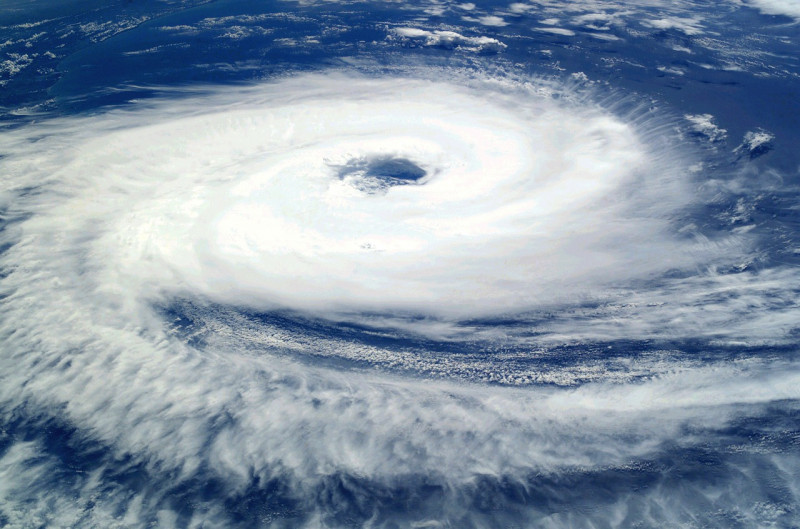
COLOMBO – Cyclone Burevi hit Sri Lanka overnight, rattling the island nation but leaving it relatively unscathed on its way to southern India, officials said today.
Burevi, the second cyclone in the southern Bay of Bengal in a week, slammed into north-eastern Sri Lanka just before midnight (1830 GMT).
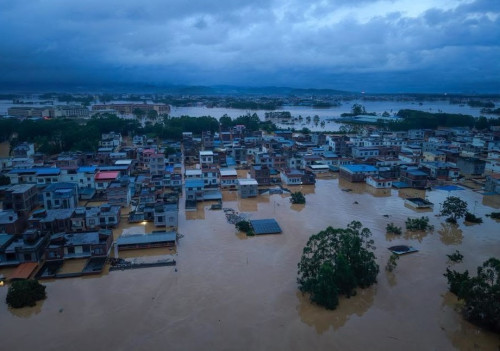
Packing winds up to 100 kph, it soaked parts of the country but caused no casualties and less devastation than feared.
“There was rain and strong winds, but the cyclone did not cause any major damage in our area,” Mangalanath Liyanarachchi, a local reporter in Trincomalee, 260km from Colombo, said by telephone.
Thousands of people living along the coast have been asked to seek temporary shelter inland, but they have now moved back to their homes, Liyanarachchi said.
The Disaster Management Centre (DMC) had issued a red alert and asked fishermen not to venture out to sea.
Sri Lanka also ordered the closure of schools along the path of the cyclone for three days.
However, DMC officials said there are no reports of casualties and the damage is minimal as the cyclone weakened on its way through sparsely populated areas.
The weather system is expected to make landfall in the southern Indian state of Tamil Nadu from tonight to tomorrow and move westwards into Kerala, Indian forecasters said.
India’s National Disaster Response Force yesterday said they had deployed around two dozen relief and rescue teams for the two states, for any emergency response after the cyclone.
Kerala Chief Minister Pinari Vijayan said around 2,500 relief camps had been identified to relocate people from coastal and low lying areas.
Prime Minister Narendra Modi tweeted that the central government was ready to provide “all possible support”.
“Praying for the safety and well-being of those staying in affected areas,” Modi said.
Last week, a more powerful cyclone skirted northern Sri Lanka but hit Tamil Nadu with full force, uprooting trees and delivering 30cm of rain in some areas.
But more accurate forecasting and the timely evacuation of several hundred thousand people were credited with keeping the number of people reported killed to three, a fraction of the death tolls in previous years.
Sri Lanka, India and Bangladesh depend on the monsoon for power generation and irrigation, but excessive downpours and storms cause casualties and destroy property almost every year. – AFP, December 3, 2020













.jpg)