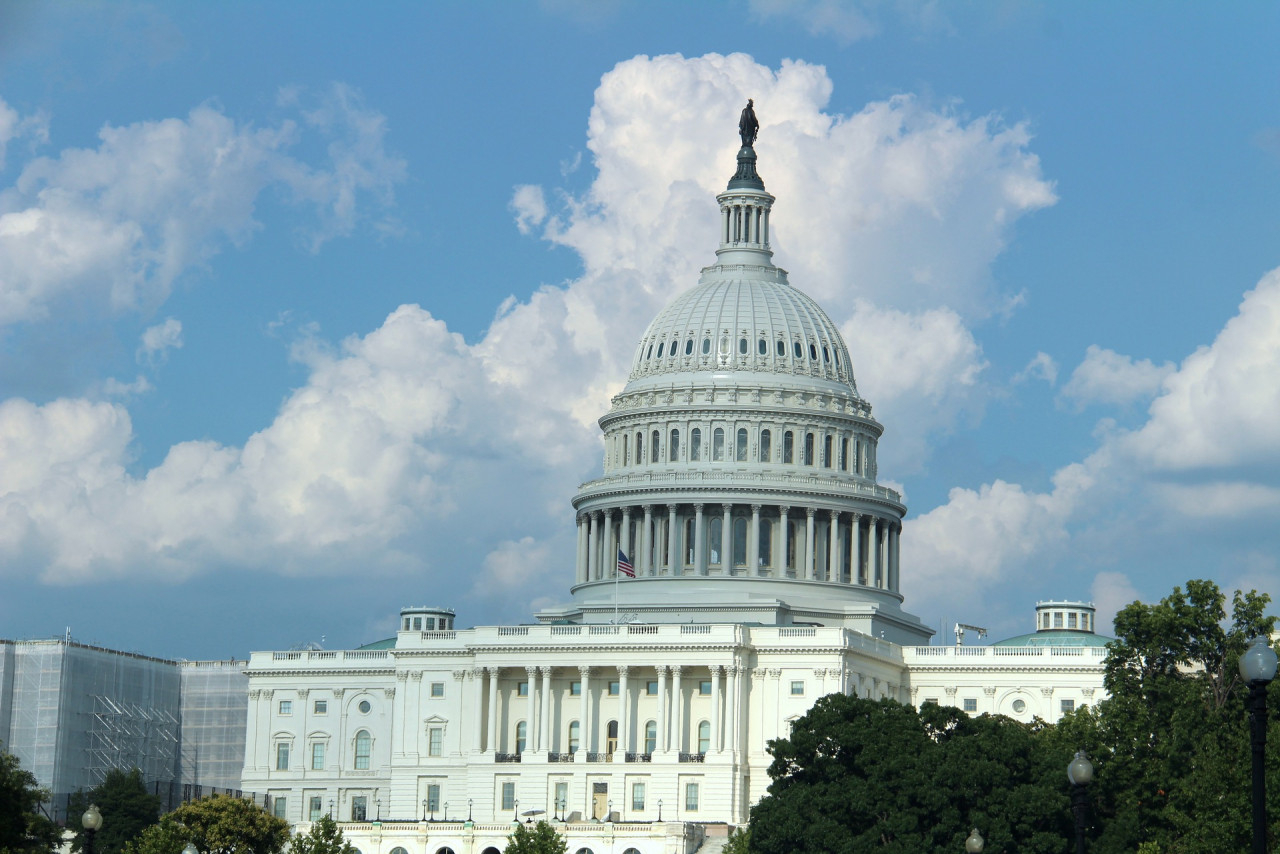
WASHINGTON – The United States government has agreed to another massive stimulus package to keep its listing economy afloat as the coronavirus pandemic rages on, but help for the unemployed people most in need may not come right away.
Congress’s decision to wait until the last minute to pass the US$900 billion (RM3.64 trillion) measure, followed by President Donald Trump’s days-long hesitation to sign the bill into law, means two programmes supporting millions of unemployed Americans briefly expired, and experts warn states may take weeks to restart payments.
“Everything about unemployment insurance and having 53 different systems is difficult, and it does means some states may drop the ball,” said Michele Evermore, senior policy analyst at the National Employment Law Project.
The new stimulus measure follows up on the Cares Act passed in March, a massive bill that expanded benefits to freelance workers and allowed unemployed people to receive aid for an extended period of time.
But those programmes expired on December 26, a victim of both the months Congress took to reach its agreement last week and the president's refusal to sign it before finally capitulating on Sunday.
The hold-up may have cost unemployed people a week of benefits, and could lead to a gap stretching as long as three weeks in which the jobless won’t get paid, experts say – the last thing Americans who have been out of work for months need.
“I’ve been running with zero income for the past couple of weeks. Anytime that you don’t have income hurts,” said Carson Noel, an Arizona resident who hasn’t been able to work in the live events industry since the pandemic struck and used up all of his benefits in October.
Economic damage
The world’s largest economy ground to a sudden halt in March when states ordered businesses shut to stop the transmission of Covid-19 – efforts that did grievous economic damage and didn’t prevent the country’s outbreak from becoming the largest on the planet.
Costing US$2.2 trillion, the Cares Act has been credited with keeping the US from an even worse downturn, in part by supporting consumption through the expanded unemployment programmes.
The new package “providing coronavirus emergency response and relief” is part of a larger spending bill and gives jobless people an extra US$300 in weekly payments.
Americans will also get stimulus checks totalling as much as US$600 per person, though Trump has called for them to be raised to US$2,000.
It also extends until March 14 programmes created under the Cares Act for the long-term unemployed and gig workers like 51-year-old Noel, who was evicted from his apartment after using up all of his benefits in October.
Now living with a family member, he relies on his dwindling savings to get by, and though the restoration of the unemployment payments is a relief, he’d rather be working.
“I don’t want to sit at home,” he said.
Unemployment aid in the US is administered by individual states and territories, and many systems are overwhelmed and reliant on badly outdated technology that few believe can easily reactivate a benefit programme that had just been deactivated.
“The fact that they have to roll everybody off and they have to roll everybody back on, it’s not going to go smoothly in any circumstances,” said Andrew Stettner of progressive think tank The Century Foundation, which estimated 12 million people were depending on these programmes that would have lapsed had the new stimulus bill not been passed.
Too low
Trump’s delay in approving the spending package caused further problems: because the president only signed the bill on Sunday evening, many states had already determined their unemployment payments for the week.
Depending on the state, Evermore said, some jobless people may not get paid for this week at all and may face another wait for states to restart their payments.
“Having to go even two or three weeks without pay, in that situation, that uncertainty is awful,” she said.
Deborah Lee, a 58-year-old phlebotomist whose diabetes meant she had to leave a job at a hospital where she feared contracting Covid-19, has been trying to keep her family afloat on the US$240 per week that Arizona pays in unemployment benefits – one of the lowest amounts in the country, which she says is “impossible” to live on.
Lee has already drawn on her retirement savings, and worries what a gap in benefits might do to her already strapped household where only her daughter works, while her three grandchildren attend online school.
“It scares me to think about it. I still have a car payment, I still have auto insurance that has to be paid. It's just kind of taking it day by day,” she said. – AFP, December 29, 2020