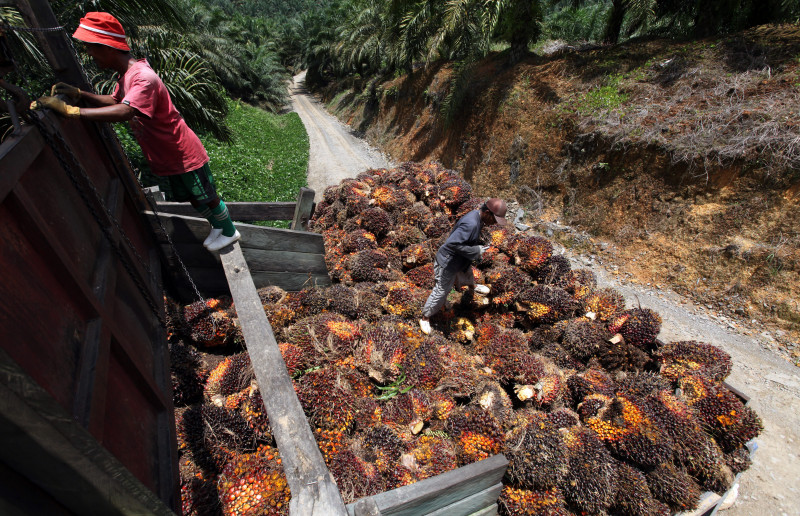

KUALA LUMPUR – Palm oil players lost a staggering RM30 billion in potential revenue over the past two years due to a severe shortage of harvesters.
This was after the government froze the intake of foreign workers.
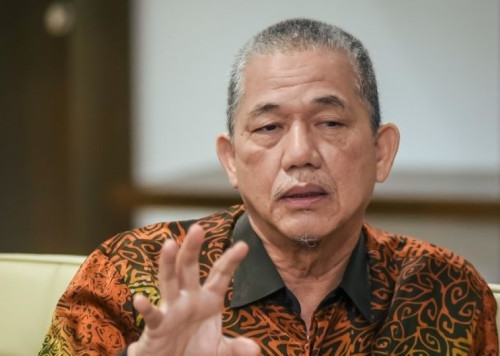
Malaysian Palm Oil Association chief executive officer Datuk Mohd Nageeb Wahab said that since the freeze took effect in March last year, about 30% of sector yield had gone to waste.
What was worse, he said, was that industry players were also unable to capitalise on the current high crude palm oil (CPO) price.
When markets closed today, the CPO futures contract for November 2021 increased RM56 to RM5,244 a tonne and December 2021 rose RM58 to RM5,146 a tonne.
While the government had recently approved the hiring of 32,000 foreign workers for the palm oil plantation sector, Nageeb said this figure is meagre, urging instead for the intake of at least another 75,000 foreign workers.
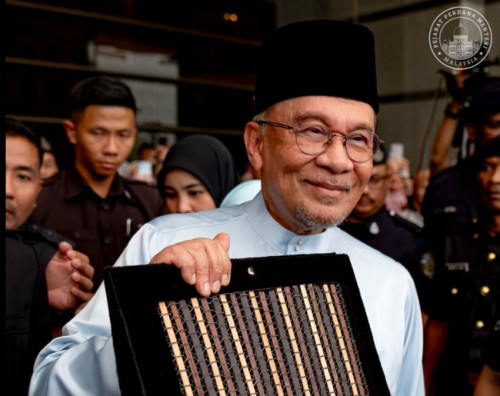
This is among the industry’s key wishes for Budget 2022, which is set to be tabled on Friday evening.
“The harvesters are important. Their job is the most difficult, and this is where we depend on foreigners, especially Indonesians.
“That is why we are pleading with the government to allow us to bring in more of them. Price (of palm oil) is at a historic high now, but unfortunately we are not able to capitalise,” he told The Vibes.
“Easily, we have lost about RM20 billion in potential income this year alone. Last year, I mentioned that we lost roughly RM10 billion.”
Nageeb said this loss of revenue would also be at the expense of the government, as they will lose out in taxes.
In 2019, the palm oil industry was reported to have contributed an estimated RM38 billion to Malaysia’s gross domestic product.
Critics have argued that while the government is currently in a tight fiscal position, higher collection of commodity-related revenues and new sources of income would enable it to fund an expansionary budget to support recovery efforts next year.
For Budget 2022, the government is expected to allocate a total sum of RM348.3 billion, which is 10.6% higher than the revised RM314.8 billion in 2021.
The increase is underpinned by an expected RM83 billion spending on development expenditure, which is much higher than the RM68.2 billion in 2021, to drive socio-economic recovery activities and the nation’s development agenda.
On claims that palm oil players are refusing to hire locals as foreign labour comes cheaper, Nageeb said such a notion is a “fallacy”.
He noted that hiring foreigners would actually cost more, due to the visa and levy fees imposed, but said firms are finding it a challenge to attract locals as they typically cannot handle the heavy workload.
“We tried recruiting locals, and are still trying, but the response has been lukewarm. Last year, our top five companies managed to employ 2,400 locals in total, but during the same period, 1,600 left.
“It’s not about the money, because we pay them quite well. Harvesters can earn between RM2,000 and RM3,000 a month, plus they get free accommodation and other perks.
“They shun the industry not because of the salary, but because they don’t like working in plantations. Hopefully, we can better automate the industry one day, and maybe then we can entice them,” he said.
On top of requesting for the intake of more foreign workers, Nageeb is also urging the government to either abolish or increase the threshold for the windfall tax imposed on palm oil industry players.
Presently, a levy of 3% is charged if the price of crude palm oil reaches RM2,500 per tonne.
“When the tax was introduced about 15 years ago, RM2,500 per tonne was considered a windfall, because at the time the average price was only RM1,000. Now, the price averages between RM2,000 and RM2,500.
“As such, it can no longer be considered a windfall. We are requesting the government to abolish the tax altogether, or at worst, increase the threshold to at least RM3,500.”
Nageeb said industry players have held a series of meetings with the government to express their views for the upcoming budget, and said the Plantation Industries and Commodities Ministry has vowed to look into their proposals.
“We communicated to the minister (Datuk Zuraida Kamaruddin), among others, and these are our main wishes,” he said. – The Vibes, October 27, 2021