Business

Rice farmers’ income up 180% through large-scale planting programme: Ahmad Hamzah

3,811 people have benefited from it, involving 9,777.7ha of fields

Updated 4 years ago · Published on 10 Mar 2022 5:19PM

Rice farmers’ income up 180% through large-scale planting programme: Ahmad Hamzah
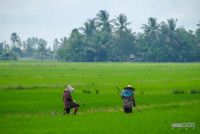
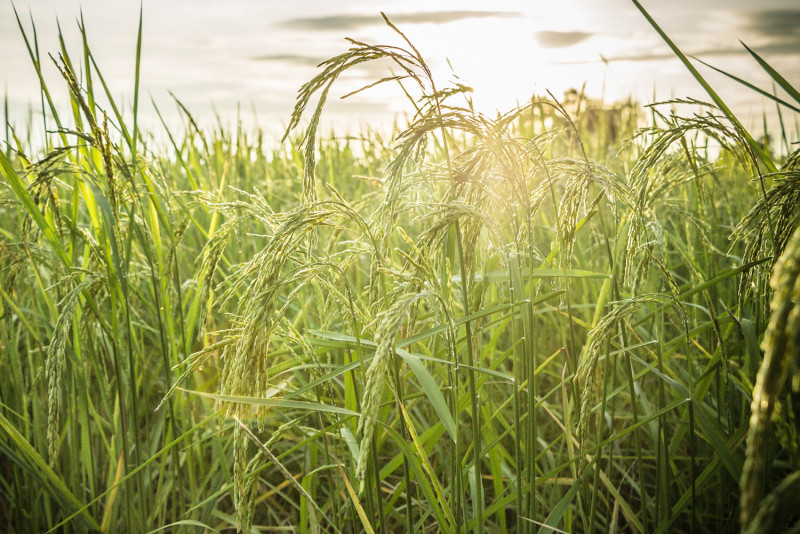
The SMART Sawah Berskala Besa aims to increase the national average padi yield to 7.0 tonnes per hectare during the implementation of the 12th Malaysia Plan. – Pixabay pic, March 10, 2022

KUALA LUMPUR – The income of farmers through the “SMART Sawah Berskala Besar” (SMART SBB) large-scale padi planting programme increased by up to 180% as of December last year, exceeding the set target, said Deputy Agriculture and Food Industry Minister Datuk Seri Ahmad Hamzah.

He said 3,811 farmers had benefited from the programme involving ​​9,777.7ha of padi fields.

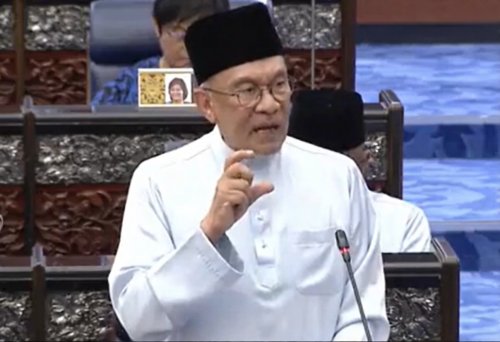
“It includes several places such as the Integrated Agricultural Development Area in Northwest Selangor and Seberang Perak,” he said during Question Time at the Dewan Rakyat here today.

He was responding to a question from Khalid Abdul Samad (Shah Alam-PH) on the efforts by the ministry to reduce the country’s dependence on rice imports.

SMART SBB is a new initiative by the ministry aimed at increasing domestic padi yields through the involvement of the private sector in terms of capital investment, expertise, and technological capabilities.

It also aims to increase the productivity of the country’s padi and rice production, as well as the income of farmers.

The programme is targeting to increase the national average padi yield to 7.0 tonnes per hectare during the implementation of the 12th Malaysia Plan (12MP), compared with the current average yield of around 3.5 to 4.3 tonnes per hectare to help the subsistence level of national rice to reach 75% by 2025, or before the end of 12MP.

Meanwhile, responding to a proposal by Ahmad Tarmizi Sulaiman (Sik-PAS) to consider remuneration or compensation for states that were the country’s main padi producers, Ahmad said various forms of subsidies and assistance were given in the form of agricultural inputs and outputs, construction of new infrastructure, and upgrading of existing irrigation infrastructure.

However, he said the Agriculture and Food Industry Ministry and other stakeholders would continue to discuss, in order to create a win-win situation for the National Food Security agenda. – Bernama, March 10, 2022
Related News

Malaysia / 2y

Water to irrigate padi fields to be used to generate electricity

Malaysia / 2y

Steps to reduce impact of hot weather on padi planting among focus of parliament today

Malaysia / 2y

Rice supply, cost of living hardship to be raised at action council meeting this Friday

Business / 2y

Ministry refutes existence of cartel or ‘mafia’ manipulating padi, rice trade

Malaysia / 2y

Rice shortage: Prioritise boosting yield over planting frequency, Mahfuz says

Malaysia / 2y

Sarawak to produce 240,000 tonnes of rice per year using hybrid seeds

Spotlight

Malaysia

Five fatal helicopter crash victims honoured in Sarawak state awards

Malaysia

No Malaysian is left behind; Budget 2027 puts people first - Anwar  

Malaysia

Panama hit by 6.4-magnitude earthquake

Malaysia

Haze blankets 33 areas with unhealthy air

Malaysia

Malaysia’s 2027 Budget is a steady one: people-oriented continuity rather than bold reform

Malaysia

Budget 2027: What is in it for me?

Malaysia

Budget 2027 steps up Sabah, Sarawak funding by RM2.2b amid push for development parity

Malaysia

Budget 2027: Maternity leave entitlement increased, minimum pension raised to RM1,350

You may be interested

Business

Budget 2027 targets foreign e-commerce platforms, channels billions into local firms and startups

Business

Budget 2027 channels RM270m to SMEs through crowdfunding, P2P financing

Business

Oil slips on Trump’s Iran remarks, but supply risks and strong US dollar keep markets on edge

Business

Malaysia draws US$9.5b in orders for US$1.5b sukuk, cuts borrowing costs