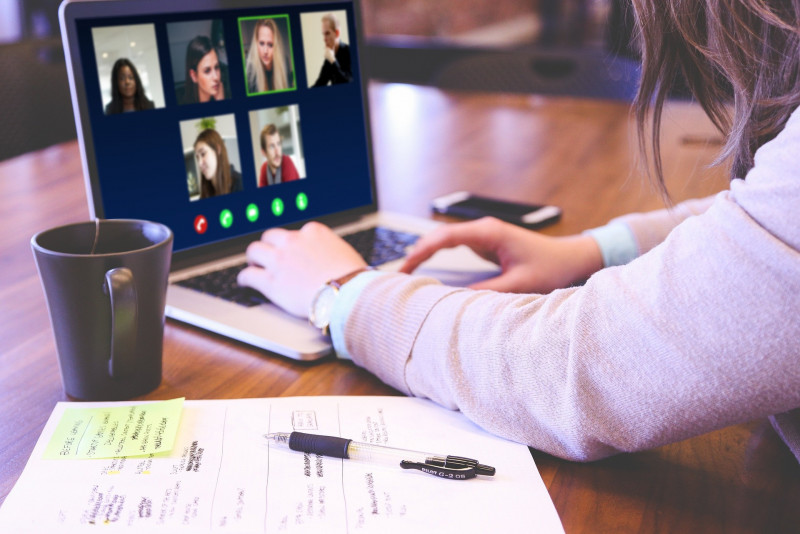
"ZOOM fatigue" is the expression coined to describe feelings of mental fatigue experienced following an excess of videoconference calls - a new source of angst for home workers and students since the onset of the pandemic. And it's a serious concern - so much so that researchers from Stanford University have developed a questionnaire to help people evaluate their level of Zoom fatigue.
Anyone whose days now consist of remote classes or work meetings is no doubt familiar with the tired and listless feeling after a long day of videoconference calls. Fatigue from staring at your computer screen all day, from being stuck on your chair, or from all that up-close eye contact - not to mention having to get used to seeing your own image onscreen, all the time, right in your field of vision, as you interact with co-workers. In the real world, it's almost like having a mirror constantly stuck in front of you.
A German study conducted last July found that 60% of the office workers polled reported experiencing zoom fatigue, and 15% said they felt it all the time. Could Zoom fatigue be set to become a new kind of burnout?
To better understand (and manage) this phenomenon, researchers at Stanford University have developed the "Zoom Exhaustion & Fatigue Scale." This scale takes the form of a 15-item questionnaire which aims to identify the red flags that could be indicative of Zoom fatigue. Questions include: "How much do you tend to avoid social situations after videoconferencing?" and "How often do you feel too tired to do other things after videoconferencing?"
The aim of this tool is to help businesses and educational establishments put in place appropriate solutions and best practices for their various videoconferences. The researchers also give practical advice that individuals can easily put into practice.
One example is to try taking an "audio only" break during long stretches of meetings. "This is not simply you turning off your camera to take a break from having to be nonverbally active, but also turning your body away from the screen," the researchers explain. You could, for example, dial into the meeting via your smartphone, grab a pair of headphones and walk around the room while still participating in the call.
Now, you just have to convince your boss to take a closer look at these new practices. After all, your mental health could be at stake. – ETX Studio, February 27, 2021