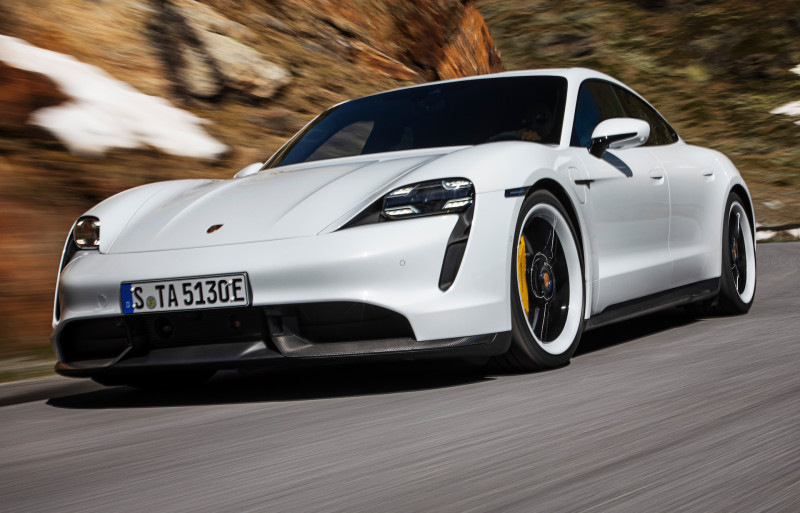

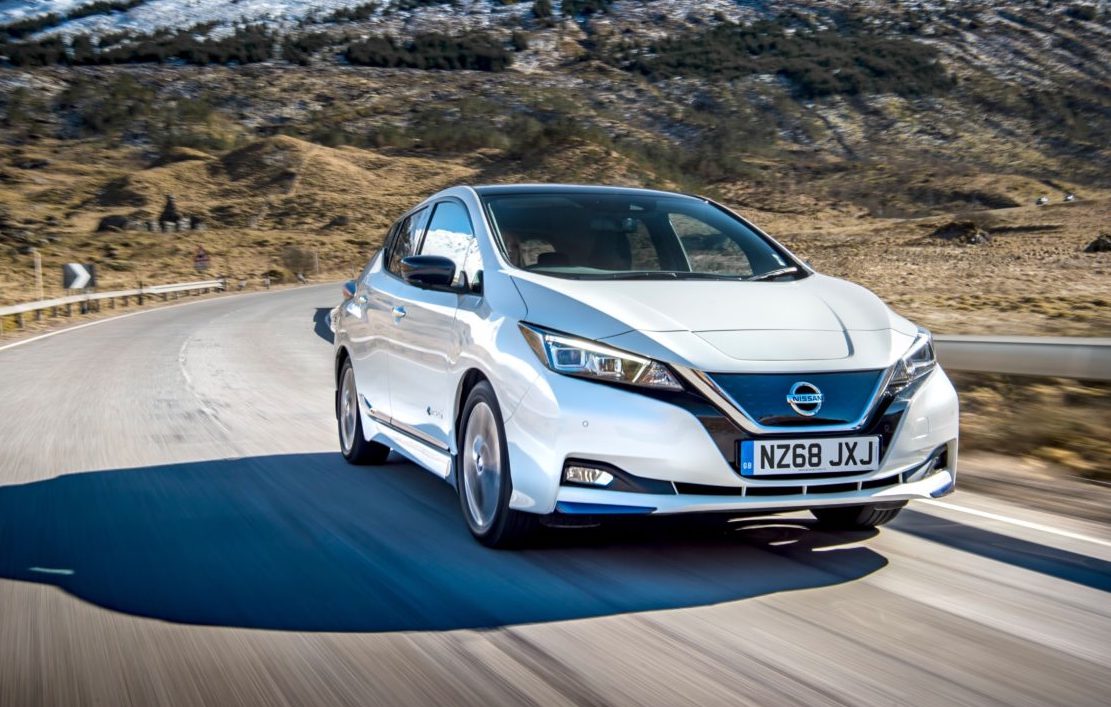
WE are talking about the middle and lower middle class Malaysian car buyers. Not the Porsche Taycan, Nissan Leaf or Mini Cooper SE buyers who are high income earners.
Rewind some 25 to 35 years or so and you will understand how our lower middle and middle class motoring has taken a few steps back instead of forward in Malaysia only.
Yes, this is a Malaysian only issue and it is a well known fact thanks to one very well engineered national automotive plan that was designed to enrich a select few at the expense of the mass population of Malaysian car buyers (mostly hardworking lower middle class people who wanted a car to bring their family around the country and to ‘balik kampung’ for the yearly festive holidays).
Low emissions
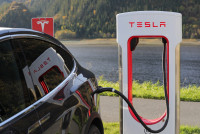
For the tree-hugger and the clean air lover in Malaysia, the current accelerated move by developed nations around the world (including Thailand and Indonesia) signals the possible arrival of affordable battery powered vehicles for middle and lower middle class Malaysians.
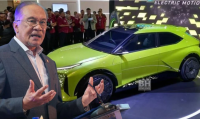
Sadly, it might not be as easy as that. With our ‘national car brands’ taking a large slice of the yearly automotive sales (more than 50% of total car sales) and with the preferred tax incentives they enjoy, the arrival of a well priced electric vehicle (EV) (about RM90,000 to RM110,000) will not happen unless it carries a Perodua or Proton badge.
It’s politics
Yes, the mass electric vehicle adoption in Malaysia will only take place when the national car brands launch their battery powered versions and it is not going to happen anytime soon.
Simple, current low cost models sold by our national car brands are in fact really low cost vehicles. Yes, they have good safety features and some fancy cabin features. However, they are no better in build, quality and finish when compared to a simple car that was being sold by Mazda, Nissan, Honda and Toyota some 25 years ago.
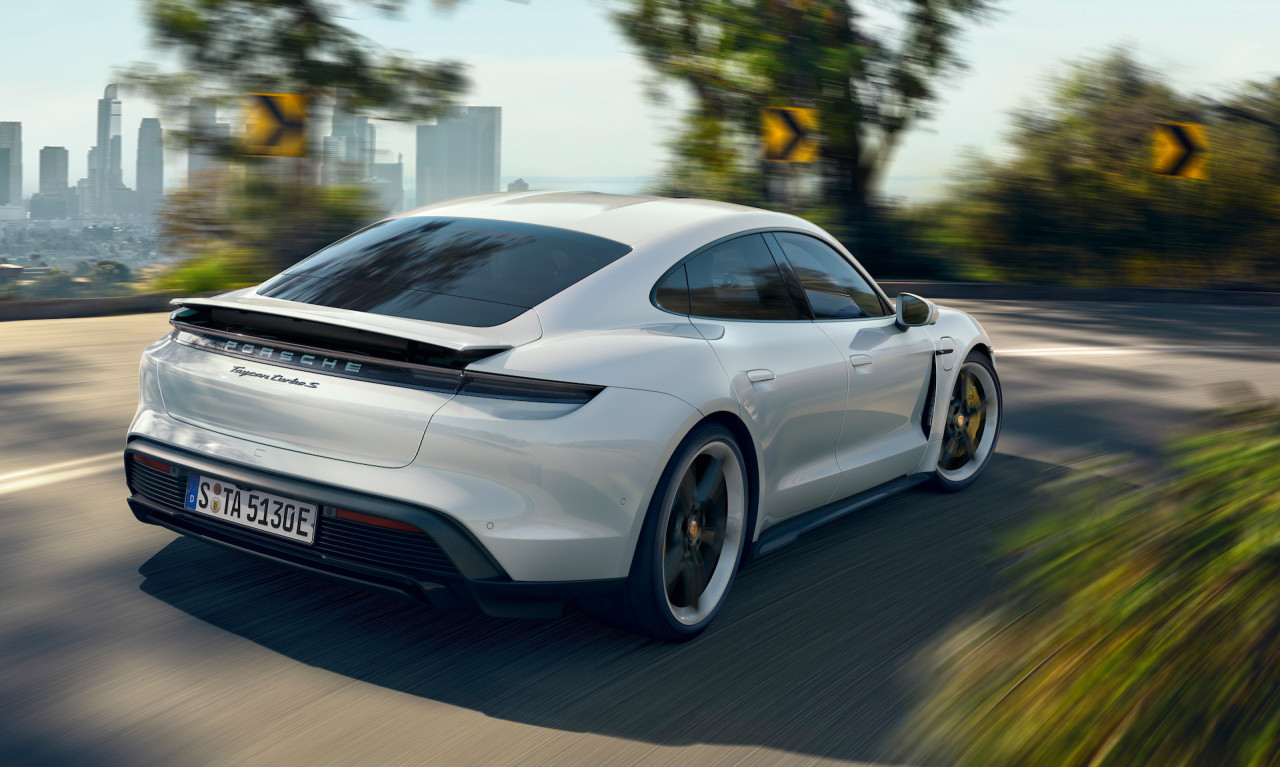
When cars had no recalls
Please note, you need to be at least 50 years old right now to understand exactly what we are talking about. Remember the Toyota Corolla SEG 1.6, the Mazda 323 Familia, the Nissan Sentra and the Kah Motors sold Honda Civic? All more than 30 years old and cars that the lower and middle class Malaysians used to buy. They were all well built, with good quality cabins and had good drive dynamics.
However, they did not have fancy features which were yet to be invented or reserved for luxury cars, like a touch screen infotainment system with smartphone connectivity, digital meter cluster, electric seats, multiple air-bags and digital climate control systems.
These cars were very reliable and without any recalls during their lifetime. They stood the test of time and our potholed roads very well and till today you can see some units running around with happy owners, 20 to 30 years later.
So, back to battery powered cars
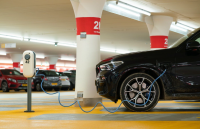
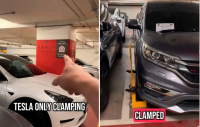
Then, there is the issue of available charging stations around the country. This ‘chicken and egg’ situation has been an issue since Greentech Malaysia started their electric vehicle offensive a decade ago.
Yes, there has been a strong lobby for electric vehicles for some time, but politics, low currency exchange value (RM values versus global currency values) and ‘product dumping’ has been a priority in the Malaysian automotive industry.
So, it is better to have the Malaysian automotive segment moving sideways than forward as this helps make a small segment of population become very rich at the expense of the mass car buying population.
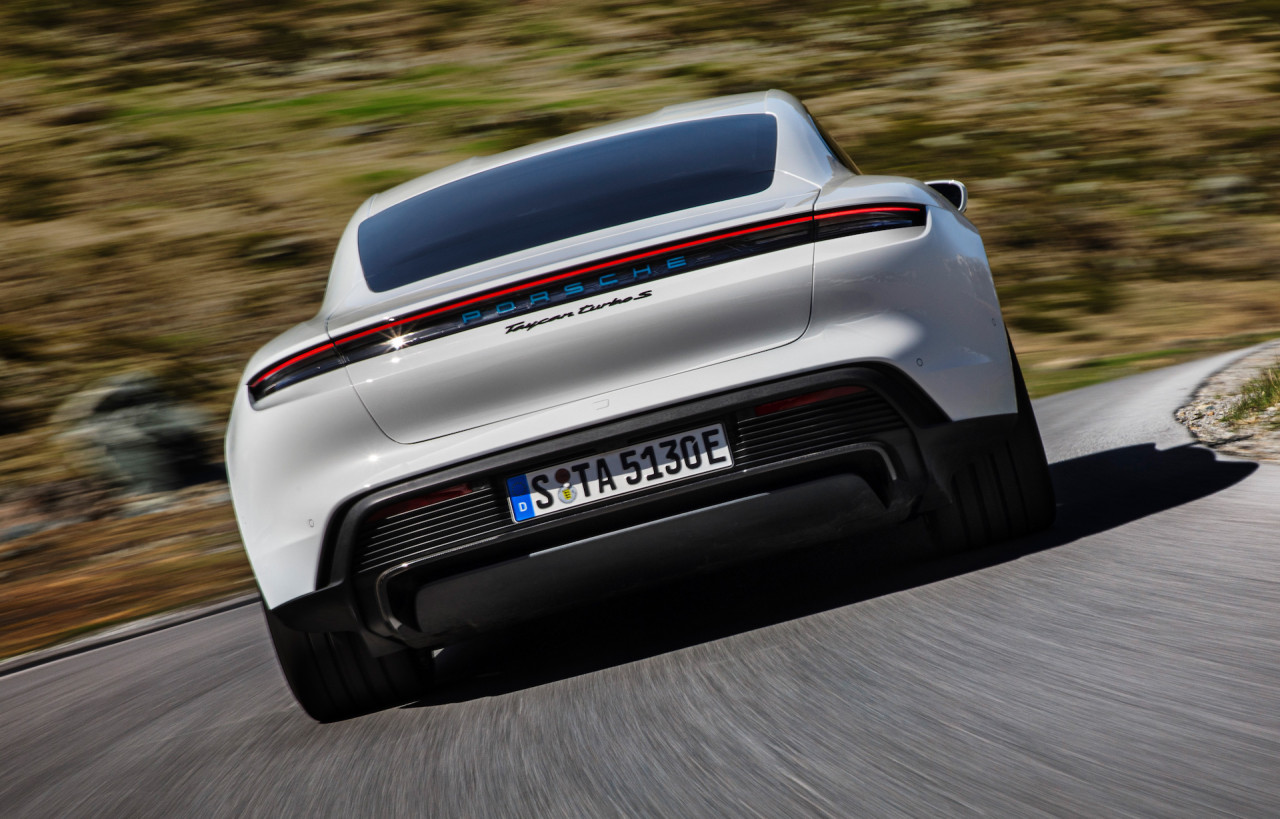
No change
While our neighbors, Singapore, Thailand and even Indonesia move forward with clean emission cars, fair car taxation systems across the board, clearly written out incentives for global car manufacturers that remain in force beyond a change in government and well governed automotive agencies with clear objectives, Malaysia will be left behind in more ways than imaginable and our car buying population will have little choice. – The Vibes, March 1, 2021
This article is powered by www.dsf.my. For more automotive updates, follow DSF.my on Facebook and Instagram