A SPRINKLE of mycoprotein in your burger? Cities dotted with photo-bioreactors growing algae? Mass farming of housefly maggots?
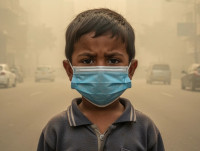
These are just some of the food innovations that researchers say will be crucial to combat malnutrition in the face of climate change and other system shocks.
With traditional food systems facing severe threats -- including extreme heat, unpredictable rainfall, pests and soil degradation – researchers at the University of Cambridge say that it is time to totally reimagine the field.
Pressure is also mounting to sharply curb consumption of meat and especially beef, a major source of greenhouse gases.
In order to improve diets and secure food supplies sufficiently to end malnutrition, they say high-tech farming methods – some pioneered for space travel – should be incorporated into food systems globally.
And while some of the food they suggest growing may be familiar to customers of health food shops – single-celled algae spirulina or chlorella as well as mycoproteins derived from fungi – others may seem even more exotic, like insect larvae.
These include "houseflies, black soldier flies, and mealworm beetles", said Asaf Tzachor, a researcher at the Centre for the Study of Existential Risk (CSER) at the University of Cambridge, who led the research.
"Admittedly these are non-conventional items," he told AFP.
But as nutritious food becomes scarcer, researchers say, these types of food will likely become essential parts of our diets.
'Perfect substitutes'
Rich in essential nutrients – including proteins, fats, calcium, iron, zinc and vitamins – they could be "perfect substitutes" for meat, milk, eggs and traditional crops, Tzachor said.
"You can eat them within your pasta or burgers or energy bars, for example. And these items can contain ground insect larva, or processed microalgae or macroalgae."
The paper, published in Nature Food, said that these "future foods" can be grown at scale in compact, environmentally controlled systems suitable both for urban settings and in isolated communities, such as on remote islands.
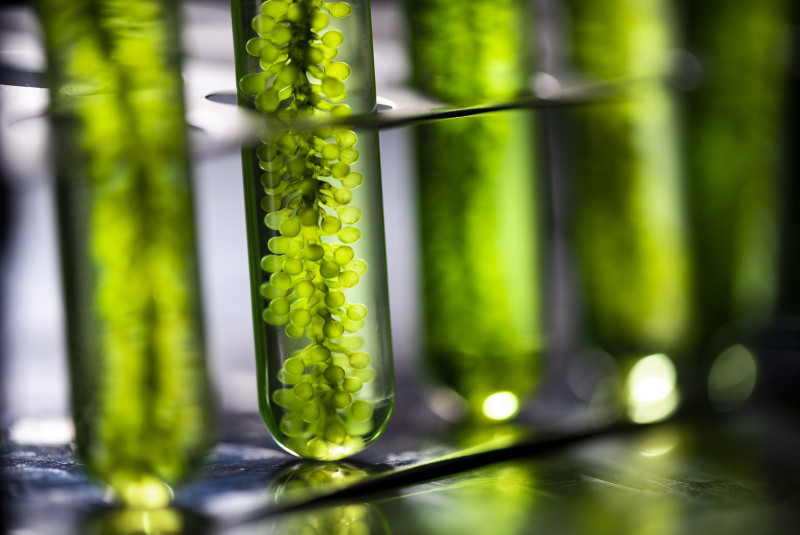
The authors analysed around 500 published scientific papers on different future food production systems. They concluded that the most promising include microalgae photo-bioreactors, which use a light source to grow microorganisms, and insect-breeding greenhouses.
These closed, controlled environments reduce exposure to the hazards outside, they said.
"We're now at this historic moment, when what we refer to as state-of-the-art food systems can be deployed anywhere to mitigate malnutrition everywhere," said Tzachor, adding the global food system needs "radical alterations".
The United Nations estimates that almost 690 million people went hungry in 2019, even before coronavirus shutdowns disrupted food supply chains.
With healthy diets of fruits, vegetables and protein-rich foods unaffordable to some 3 billion people, malnutrition can take the form of both undernutrition and obesity.
'Future food'?
Tzachor imagines a world where local communities design their own cultivation techniques, and of collaborations between engineers and chefs, although he concedes that this would require significant funding and training.
Is it just too far-fetched to imagine that algae grown in a photo-bioreactor can solve malnutrition and change the global food system?
"I'm not sure we have many choices there," said Tzachor. Increasing environmental pressures on traditional farming will likely make this an "inevitable gradual process", he added.
Having tried all the foods covered in the research, he told AFP he recommended microalgae in milkshakes.
"They get this nice greeny colour. And then I also know that I've got my dose of omega three and omega six and proteins. That's probably my go-to 'future food'," he said. – ETX Studio, May 15, 2021