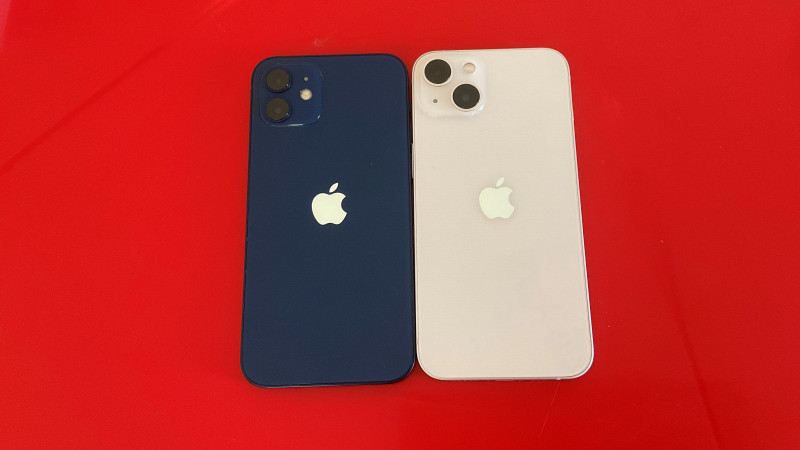

THE recently released iPhone 13 is once again a very good phone, as these devices usually are. But after about a week of constant use, it is ultimately a modest upgrade over the iPhone 12.
While Apple touts a whole host of improvements, many of them are minor. And when it comes to the base model of the iPhone 13, the major updates concern the camera and the phone’s battery life.
Design-wise, the iPhone 13 has a similar aesthetic to phones from the last two years – if it ain’t broke why fix it. Yes, the notch at the top of the screen is about a quarter to a third smaller than last year’s edition. More importantly, it fits comfortably in the hand.
That being said, the iPhone 13 is slightly wider and longer, weighing slightly more than the equivalent base model iPhone 12. The increase in size is to fit the larger battery that powers the slightly improved display.
The OLED screen is as good as last year’s, and according to Apple, it’s 28% brighter peak brightness, which allows it to be easier to see under the blazing sun. And just like last year, it’s a great screen to watch content on, whether it be on YouTube, any number of streaming apps or TikTok.
The battery life improvements have been highly touted by Apple and in practice, it is quite tangible. A full charge can easily last for a whole day of use. Leaving home with a full charge, it’s not necessary to bring a charger to the office.
Apple says it can last about two and a half hours longer than the 12, though who really knows how accurate those metrics are or what criteria they’re using over there in Cupertino.
Better, more advanced cameras
A superficial difference between the iPhone 13 and the 12 series of phones, is the former’s redesigned rear camera layout with the lenses arranged diagonally because of the larger sensors.
With the larger sensors, the Wide and the Ultra Wide cameras capture images with more detail in dark areas of photos and videos with less noise.

The all-new Cinematic Mode has received the brunt of the promotion from Apple. And at first glance, it is a very exciting feature for aspiring filmmakers. In layman terms, it simplifies the act of focusing when there are multiple subjects in the frame, with the camera automatically switching between whoever is talking or is in motion.
If anything, it’s an exciting feature to use and show off, even if you don’t intend to shoot an actual short film with the iPhone 13.
In terms of just taking pictures, the photographic styles feature will probably see more use as it lets users bring their personal photo preferences to every picture they take.
Preset and custom options intelligently apply adjustments to different parts of the photo to ensure skin tones and other important elements are preserved.
iPhone 13 (and iPhone 13 mini) cameras also have the bells and whistles like Smart HDR 4, Night mode, Deep Fusion, and HDR video recording with Dolby Vision.
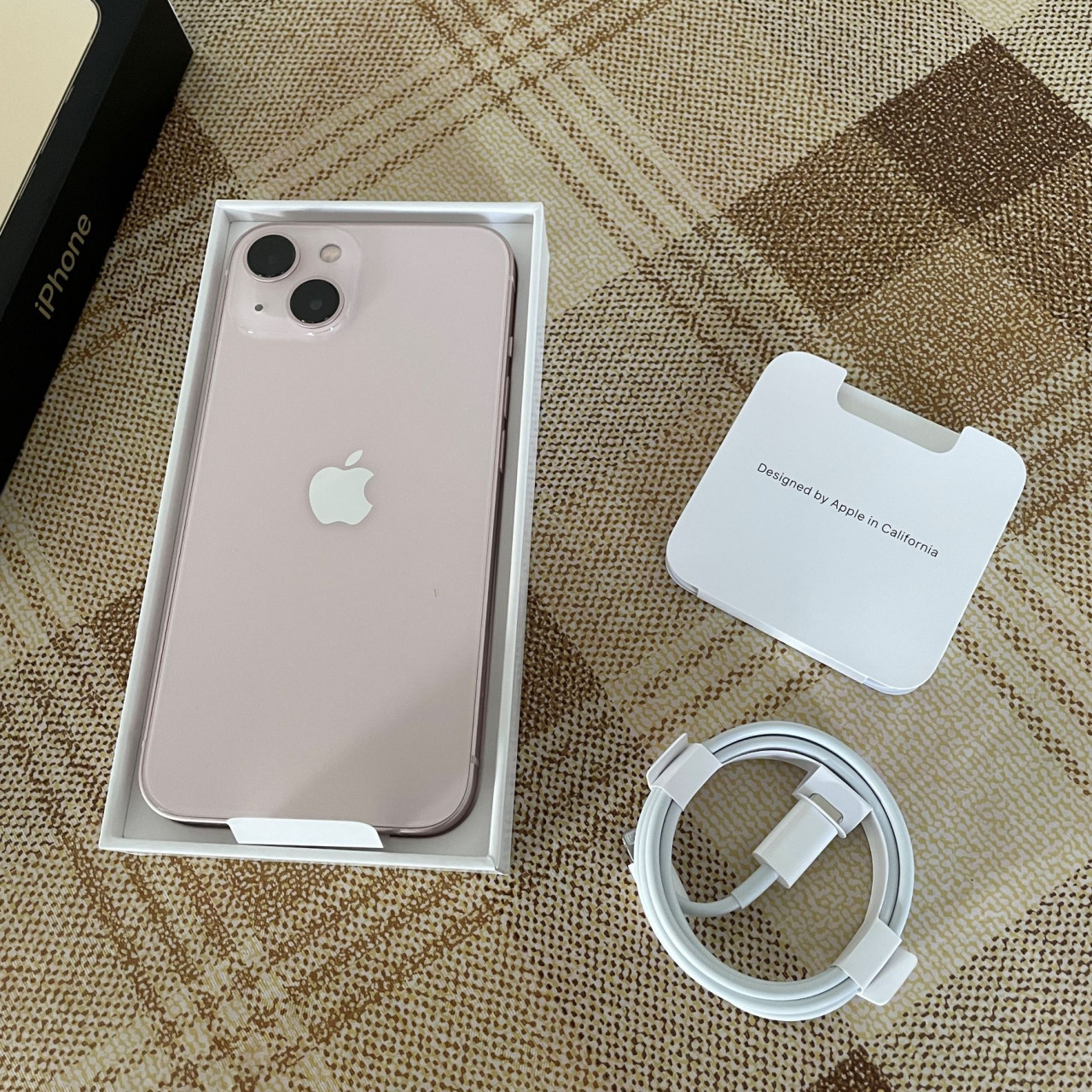
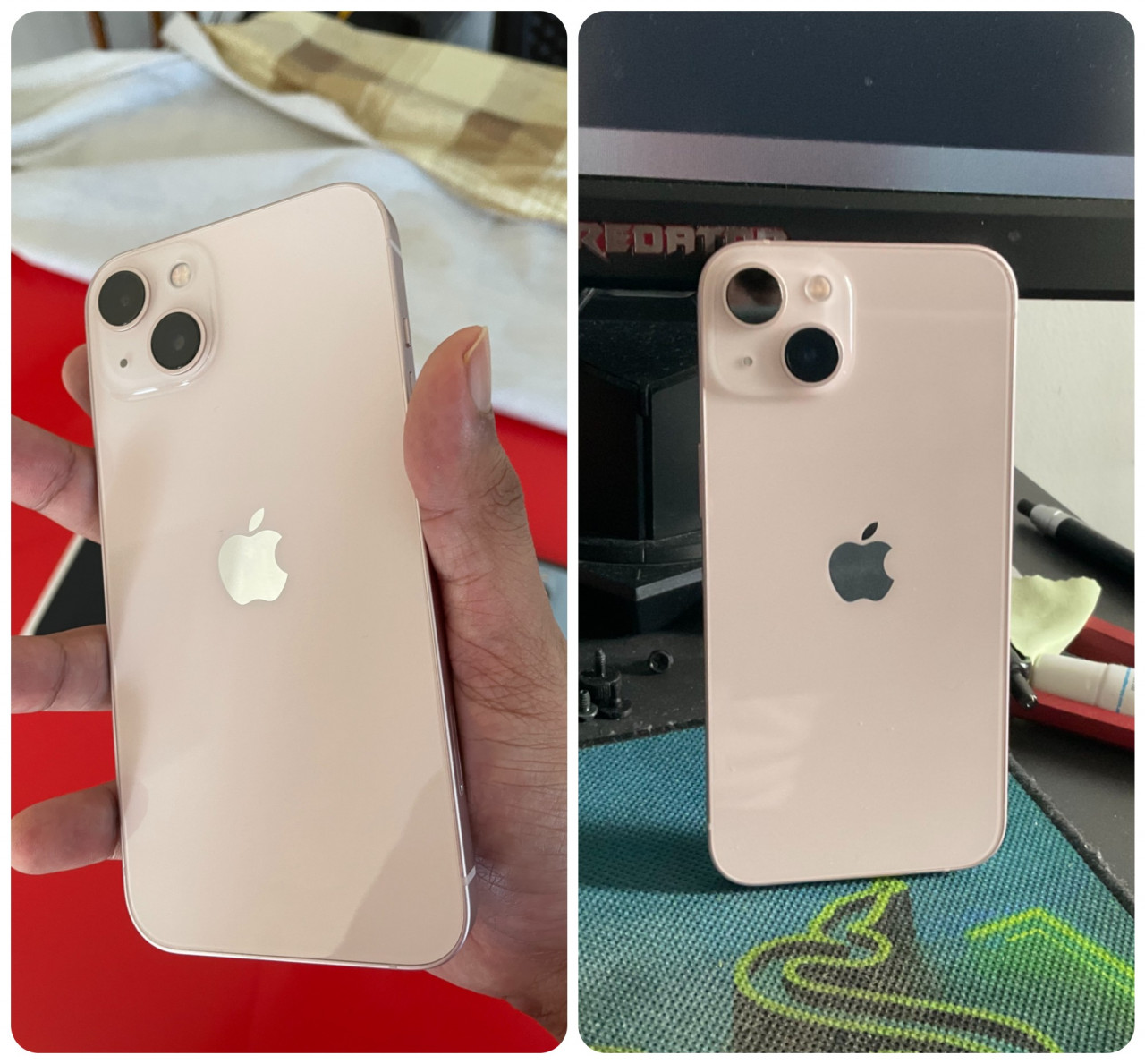
The iPhone 13, like all iPhones, comes in a number of different colours, in this case, pink, blue, Midnight, Starlight and Product(Red). However, for this model, despite being pink, it is quite muted and is very dependent on the lighting.
Should you upgrade?
If there’s a reason to hesitate on an upgrade, it would have to be the introduction of higher frame rates (or ProMotion as Apple calls it) to the Pro and Pro Max versions of the iPhone 13. That’s actually a big upgrade that provides a tangible change – making the user experience a lot smoother, especially when it comes to games.
Sooner or later, that tech will trickle down to the base model iPhones. After all, this feature appears on a number of flagship Android devices across multiple hardware manufacturers and Apple will want to sell new customers, or those holding on to older devices, with this potential upgrade.
All in all, the iPhone 13 is an incremental improvement, but for many who haven’t upgraded for a few years, this would undoubtedly be a major jump in performance. – The Vibes, October 19, 2021