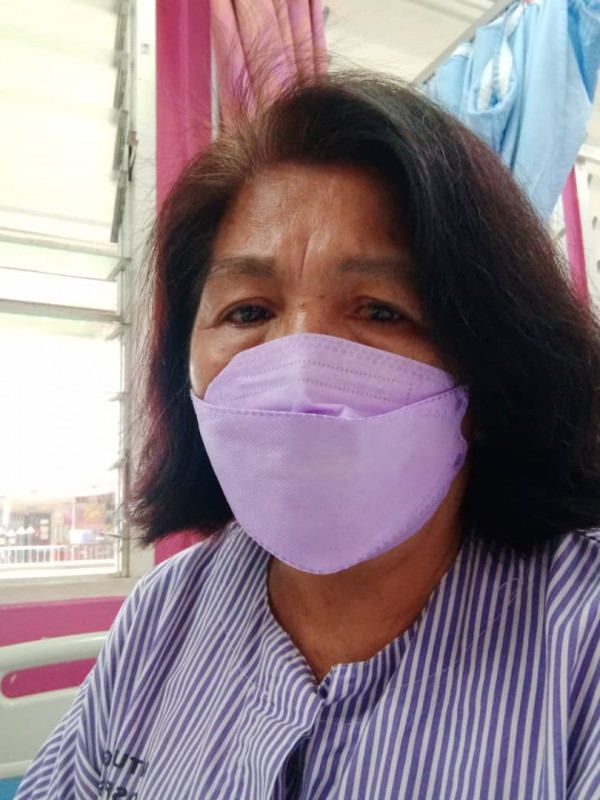
IT is International Women's Day today – but for Mebpung Akup, a rural woman in Sarawak – March 8 – a date annually dedicated to the cause of women, is no different from yesterday.
Mebpung woke up today as a 'stateless person' just as she had woken up all these years as a 'non-citizen' in the very land she was born, Sarawak.
The 61-year-old Orang Ulu is aware that Sarawak is a land of plenty – and yet she finds it hard to believe that in this land of plenty she has little in terms of self-worth and self-esteem being a 'persona non grata' in her own country.
The National Registration Department (NRD) perceives Mebpung as an 'alien' or simply as an inconspicuous 'undocumented squatter'.
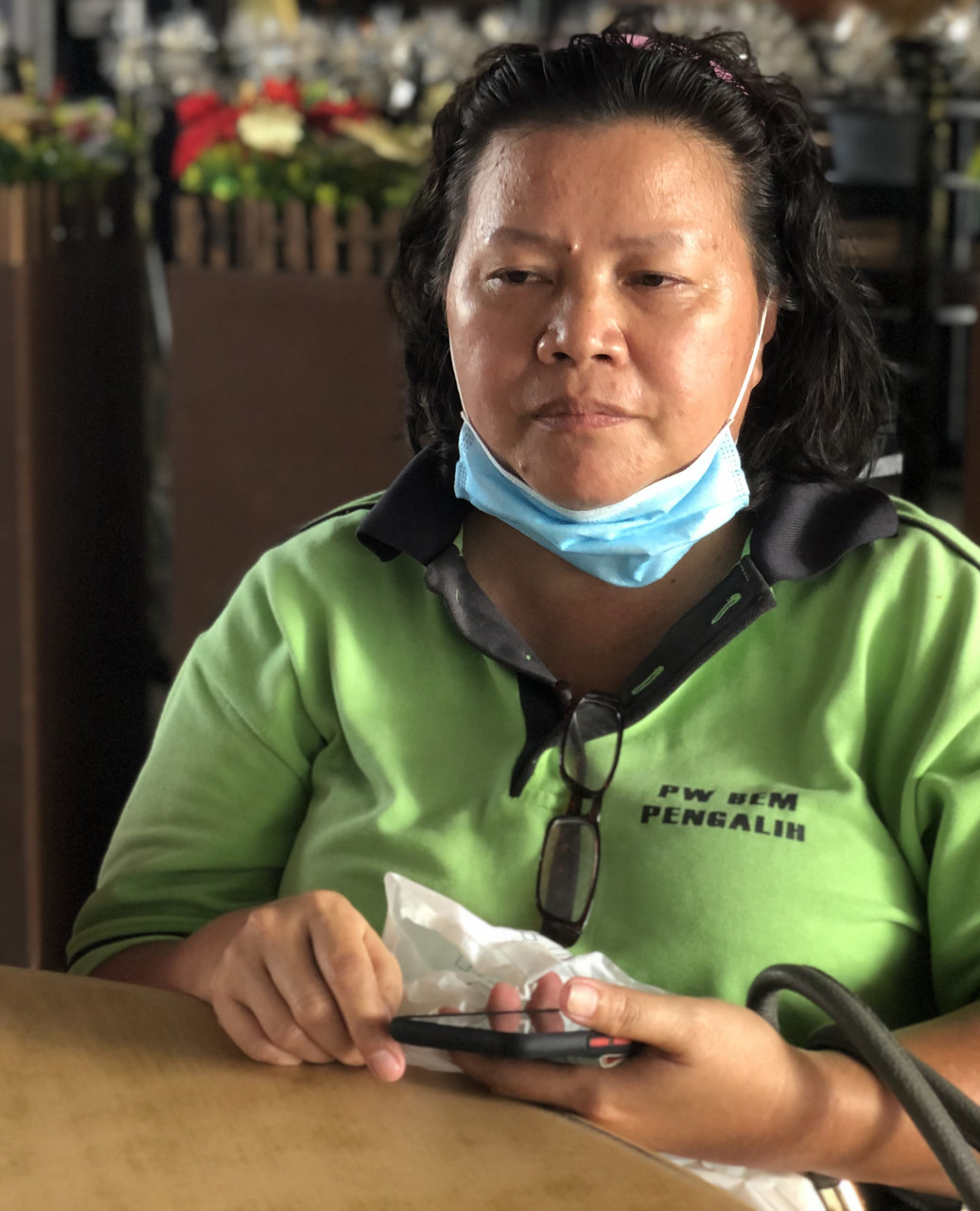
However, Mebpung prays for a sunnier end to her six decades of 'stateless' existence in Long Lutok, Lawas – which is rightly her place of birth.
Social activist Agnes Padan, who for years has stood up for the empowerment of rural women and campaigns for better healthcare, especially maternal healthcare in the outbacks of Sarawak, is helping Mebpung fight her way through decades of bureaucracy and callous injustice.
“Mebpung wants her rightful place, she wants to be recognised as a sovereign subject of the state and be given official documents that will affirm her as a Malaysian citizen,” Padan tells The Vibes.
Cancer-stricken
“Mebpung is not only stateless, but she is also cancer-stricken,” says Padan, who also works with other severely deprived communities in rural Lawas.
“In November last year, while I was discussing with Medpung on producing a video to highlight her stateless plight, she held my hand placed it on her right breast and said: ‘it hurts to the extent that I find it hard to sleep and I feel like I just want to die'.
“Mebpung told me she felt a lump in 2017 on her right breast but has not sought any kind of medical treatment because of her stateless situation. While the malignant lump grew in size, she went into denial to ignore it.”
Mebpung was afraid that being stateless, she would not be accorded treatment and it would be doubly costly too for her. Being denied citizenship after several attempts of applying for it caused Mebpung to lose all hope. Without hope, the mother of five simply suffered in silence even to the extent of letting cancer gnaw away at her flesh.
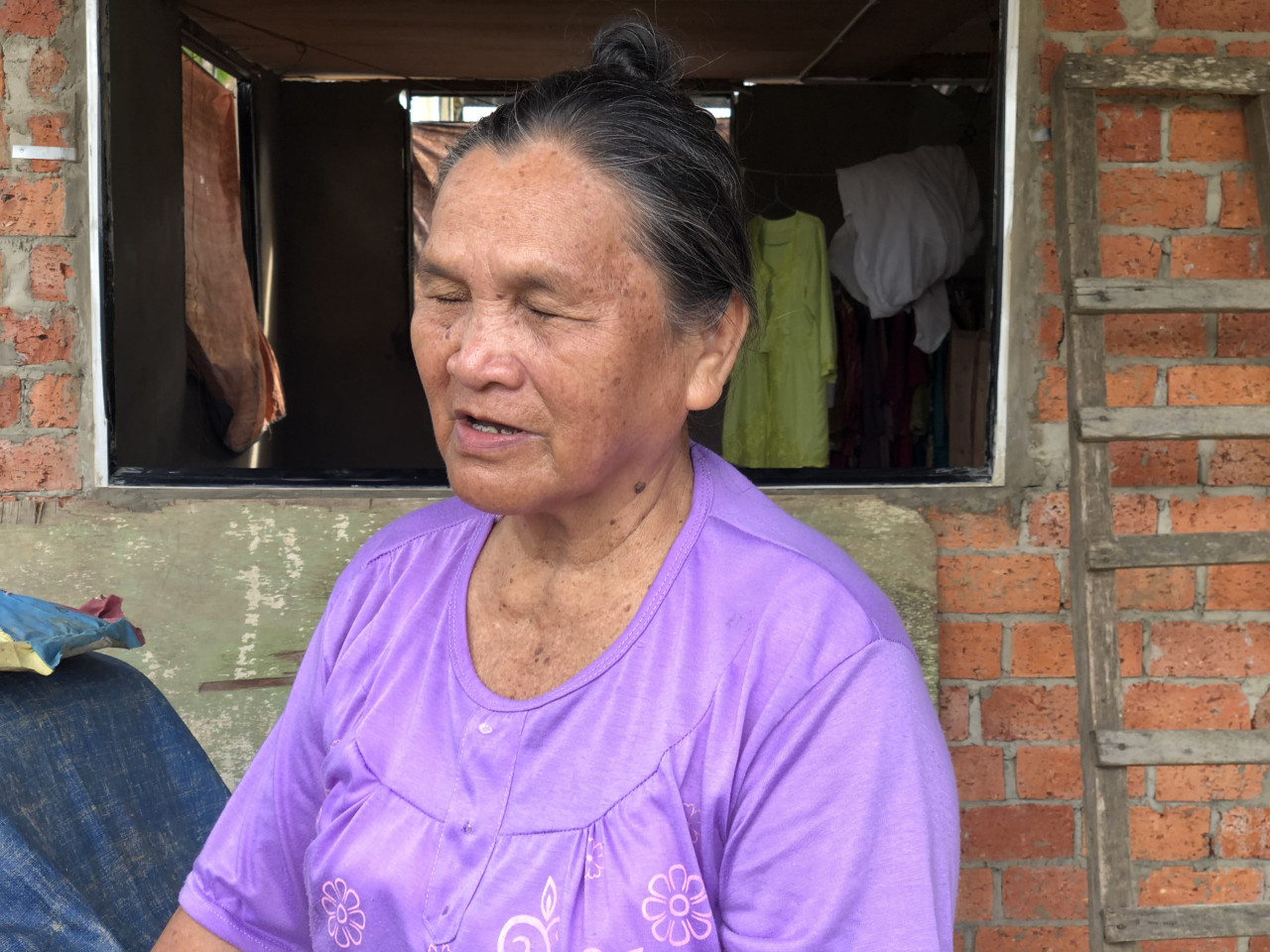
“I took her to the Lawas district hospital immediately, to explain Mebpung’s stateless situation to the doctors, and thankfully they reached out to help.
“The doctors in the hospital and the director himself seeing the need of the hour took kindly to Mebpung’s situation, and even gave her an appointment to consult an oncologist who was slated to visit the hospital the following day.
“I was with the specialist when she examined Mebpung to explain Mebpung’s stateless position but the oncologist insisted the patient must be treated as a Malaysian.”
Eventually, Mebpung was transferred to the Limbang hospital by ambulance for CT scanning, and a biopsy. “On January 4, this year, she underwent surgery for the removal of her cancerous right breast at the Miri hospital.
“Imagine, a suspicious lump in her breast goes without medical attention and treatment for three years all because of her stateless position. With all the modern tools and treatment we have in our hands to fight cancer, the question is should Mebpung have gone through such a lonely and silent ordeal?
“I want to emphasise to the NRD that Mebpung’s is a classic case of what potentially can happen when women are denied citizenship. This injustice and inequality must stop.”
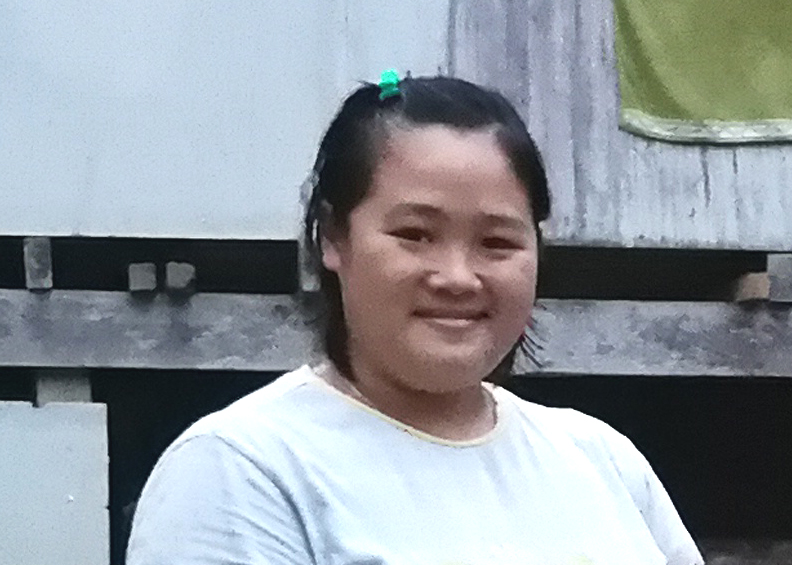
Victim of circumstance
Mebpung was born on October 7, 1961, in Long Lutok. Her delivery was handled by a midwife who has since died. She is the fourth child of seven siblings and she is the only one among the siblings with no birth certificate and an identity card.
The period between 1961 and 1965 was a restive year for the country, especially with the Confrontation period with Indonesia which lasted from 1963 till 1966.
“It was certainly impossible for Mebpung’s mother to walk for days to Lawas to register her birth as her father, a border scout was away engaged in active duty in a remote part of Sarawak.
“In 1973, when Mebpung’s father went to the NRD in Lawas to submit an application for an identity card as Mebpung had turned 12, the officer who processed the application told them to return in six months to collect her identity card.
“When they returned to collect the identity document after six months, the officer who had initially processed her application had been transferred out and details of her application could not be traced. Mebpung’s decades-long identity crisis commenced from here on.”
After Mebpung got married, further attempts to resolve her citizenship problem received the standard reply from NRD: “There is no proof of her birth in Long Lutok, and her relationship with her parents could not be verified.”
According to Padan, Mebpung is not alone in her quest for citizenship.
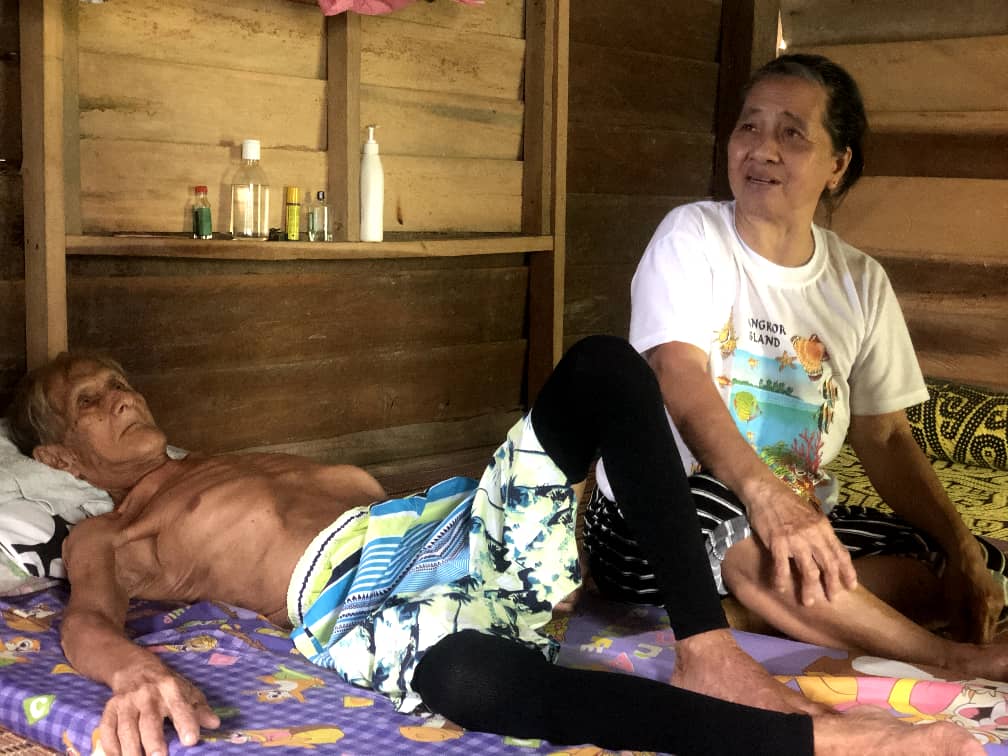
Padan has a casebook consisting of details of 30 children and teens who are untiringly knocking at the doors of the NRD, seeking Malaysian citizenship.
Padan also has another dossier of 54 other women apart from Mebpung facing the same stateless situation. She highlights some of them as follows:
- Doris Tabed is stateless as her father, Tabed Raru, a former border scout, and mother, Yana Daring are also not citizens. Doris was born in Long Tuma and is now a caregiver to her father. She is now is afflicted with kidney disease.
- Sarlin Rining’s husband was a former border scout. Her Malaysian identity card was revoked by the NRD.
- Rati Yunus, mother of 3 children. However, her husband and two sons are citizens.
- Liana Duat’s husband passed away last year due to cancer. Her five children have citizenship but she is stateless.
“Citizenship issues in Sarawak have a significant impact on women and families in rural Sarawak.”
According to Padan, some women were married at the age of 15 and are still struggling to get citizenship now, while they are in their seventies and eighties. The powers that be who approve and disapprove citizenship applications seem to be biased towards mothers and women,” adds Padan.
“The plight of these stateless women is pathetic. For decades they have been tested and punished by a callous institutional system.”
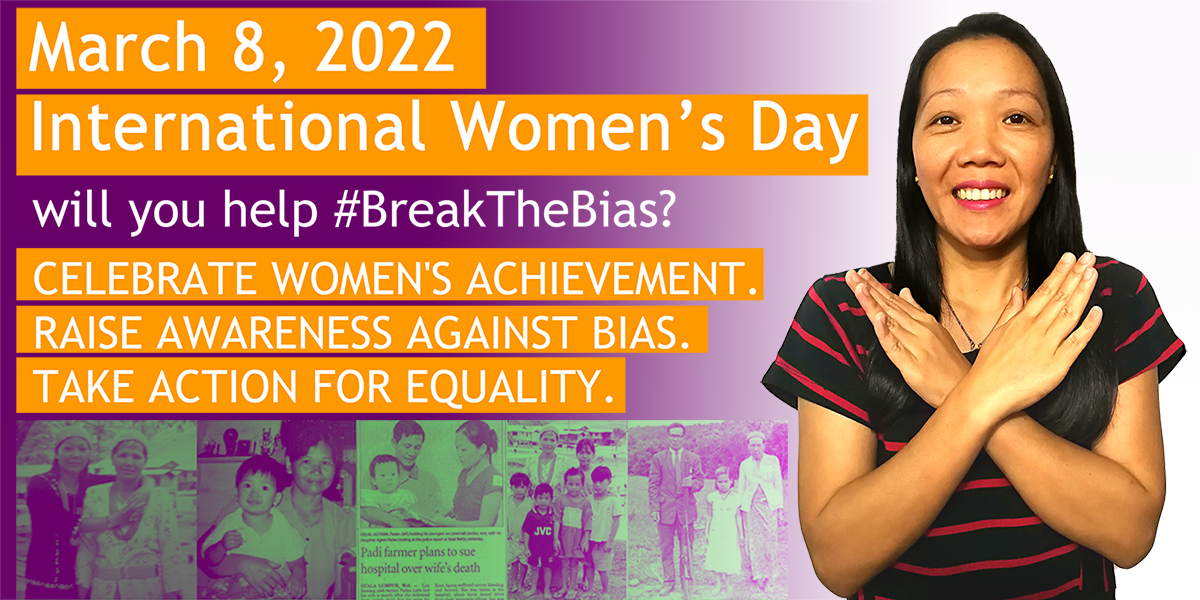
She says, these women are not only victims of circumstances, but also of an administration that has failed to understand their predicament, and continues to stay indifferent to their most basic need – a land in which they can freely live in, and call their home as enshrined in the Constitution.
Padan says: “These rural women have it in them to nurse and nurture to keep the home fires burning and put food on the table amid every hardship that comes their way.
“In conjunction with International Women’s Day today, it is these women whom I salute. They may be stateless, but they are also women of silk and women of steel,” adds Padan. – The Vibes, March 8, 2022