
IT is no secret that electric vehicle (EV) adoption in Malaysia, among other means, would go a long way towards addressing climate change issues, specifically with reaching Paris Agreement goals of keeping the global temperature below 2°C. However, environmental or ‘green’ reasons are not enough to get people to transition to electric.
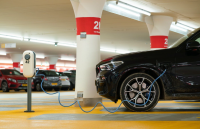
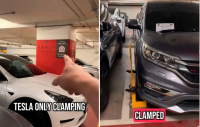
In addition to the higher costs that come with buying electric vehicles, there is also the lack of infrastructure, be it servicing or charging, as well as the lack of financial incentives from the government. The latter issue was recently addressed in Budget 2022.
“If you look at this year’s budget, one good thing is that the government is ready to look into (the) electric vehicle industry,” said Datuk Dennis Chuah, Executive Director of Eclimo, an electric vehicle/battery company. “It’s a good start whereby electric vehicles, the incentive for electric vehicle is 0 import duty, 0 excise duty, and sales tax is 5%.”
But this is only one measure of progress, as the infrastructure is still needed, including the establishment of robust new loan facilities. These need to be put into place before electric two-wheelers, let alone cars, will be adopted.
However, while private ownership lags behind, there is a big market for the adoption of electric motorbikes in the e-commerce sector, where the argument in favour of using these vehicles is driven by cost-cutting instead of environmental concerns.

“Before the B2B (business-to-business or last mile delivery) riders are convinced to use it, normally right now in our mindset, if you ask me to change to an electric vehicle, what comes into your mind?” asked Dennis.
“You have range anxiety – what if suddenly I go halfway and there is no energy? Where can I charge? And end of life. End of life is either 5 years or 8 years, or 10 years, but the question is when must the battery be changed?”
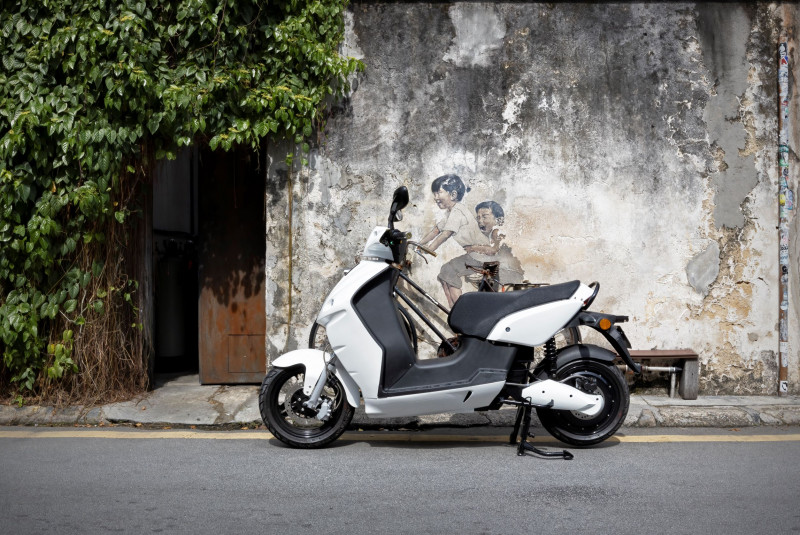
Dennis has been in the business of lithium batteries since 2000. Batteries are the most important part of any electric vehicle because they can dictate its speed and range. His company, Eclimo, is focused on the electric two-wheeler market, offering lease and rental to customers so that they need not worry about maintenance costs.
After five years of research and development (R&D), the company received JPJ approval in 2012, and in 2013 Eclimo landed its first company in KFC.
Eclimo is now working with NanoMalaysia Berhad, in the Enabling Mobility Electrification for Green Technology (Emerge) programme supported by the Ministry of Science, Technology and Innovation (Mosti), focusing on electric vehicle ecosystem development.
From 2009 onwards, Eclimo has received government support through grants for R&D. Miti, Mida, and MPDC (Malaysian Product Development Centre) are some of the organisations that provided their support.
E-commerce as an entrypoint for electric vehicles
Before the e-commerce industry boom – which coincides with the rise of e-hailing – motorbikes were primarily used to go from point A to B, used as transportation to work or school, before riding back home.
However, in the online era, in addition to people using bikes in these traditional ways, there are also many more bikes on the road because of the rise in online deliveries – which grew exponentially during the pandemic. As a result, the round the clock usage of two-wheelers is at a much higher level.
According to Dennis, delivery riders are very high usage riders, meaning that they have much higher maintenance needs. For example, in a normal usage case riders would need to replace the lubricant oil on a motorbike once every 2-3 months. However, as delivery riders, changes are needed once a week and if they aren’t done, there will be more problems with the vehicle.
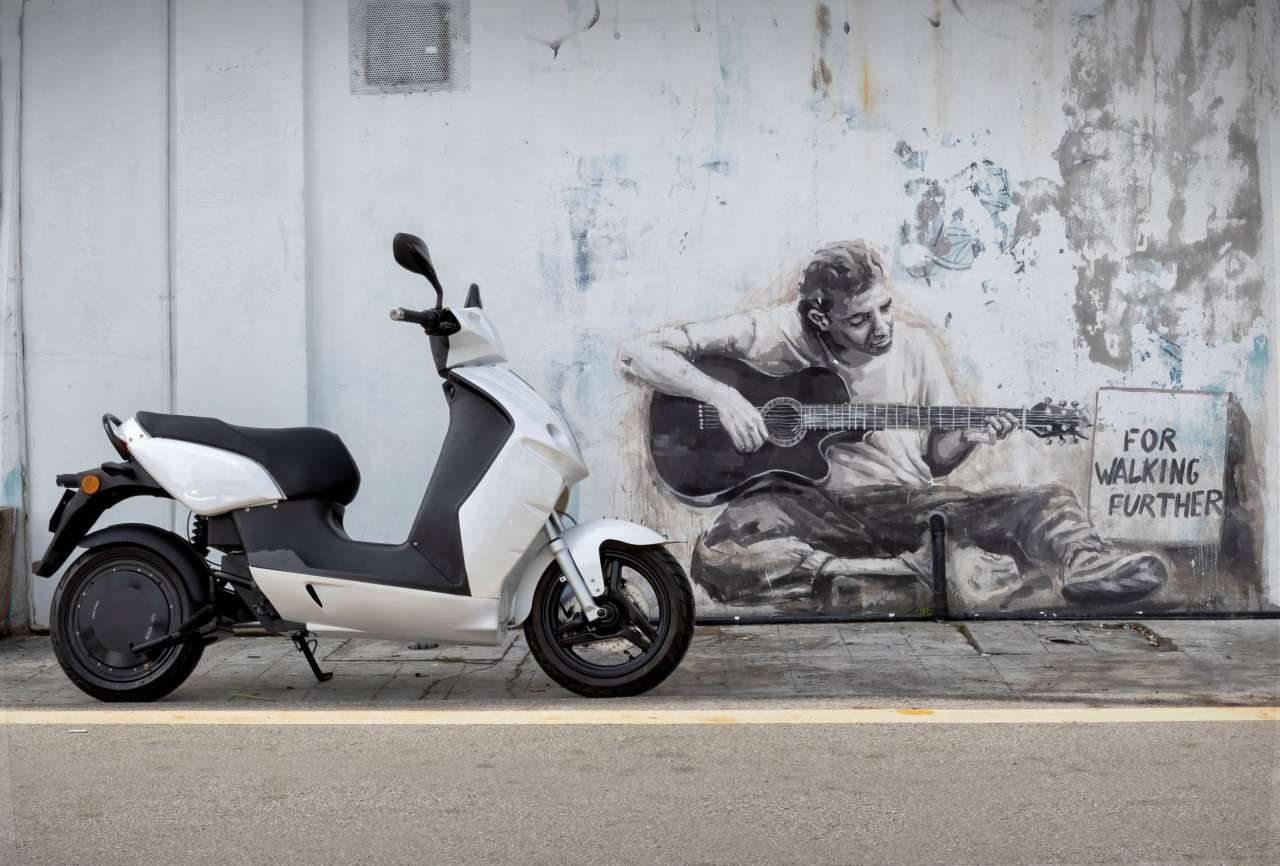
Routine maintenance also means that the rider needs to spend more of their own money on upkeep of their vehicle. Switching to electric should mean that constant maintenance is not as much of a necessity, but the electric two-wheelers must also perform to local standards.
“If you want to get the riders to use electric you must be able to have performance comparisons to the combustion (engine) bike, and this is very simple, they say that, ‘I only pump petrol for three minutes’ and then they can go 100km,” Dennis said.
“In the electric motorbike you need to charge overnight for four hours to get 100km. This is actually the challenge when it comes to convincing.”
According to Paultan.org, there were about 13.6 million bikes on the road in 2018 – a figure that is sure to have gone up in the last few years. People buy bikes because of the ease and simplicity, they know what to expect.
It will be an uphill climb to convince more people to make the switch to electric vehicles, but the government’s move to incentivise the EV industry in the last budget is a good step forward.
“I believe the government won’t stop there. If you look at Indonesia, Thailand, Philippines, Singapore, all the governments are talking about carbon neutral. Our prime minister also talked about carbon neutrality in 2050.
“In our neighbouring countries, governments are pouring in incentives and monies to build this industry. I would say that going forward, the EV direction will grow.” – The Vibes, March 15, 2022