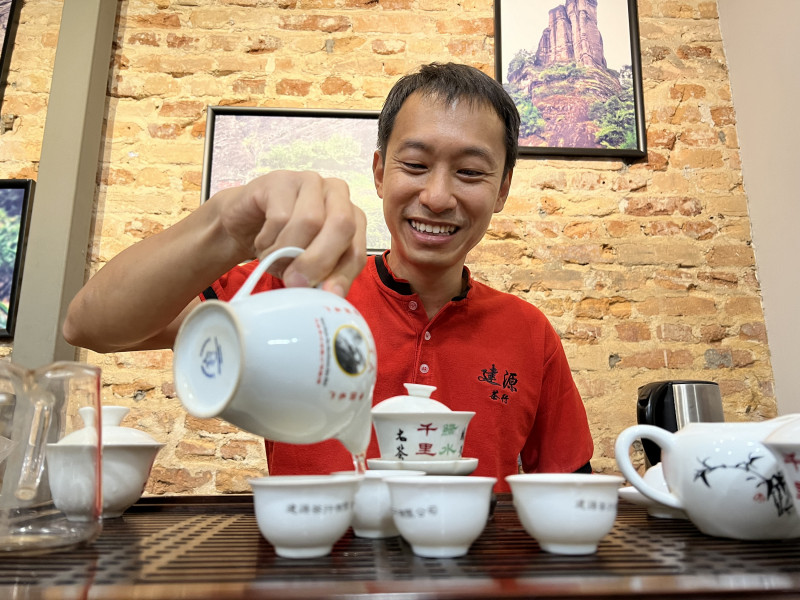

THERE is a growing appreciation of late towards generational businesses striving to withstand the trends of times.
What makes this movement largely celebrated is of course consumers wanting to establish deeper connections, beyond economics, with both enterprises and entrepreneurs supporting their lifestyle through any sort of goods and services offered.
The emphasis on knowing where food (in specific) comes from is caused by the decline of trust in the demand and supply chain.
But apart from boosting trust, those supporting family firms contribute to a bigger social responsibility to fortify the local industry, which to some extent reinforces the perception of quality.
This fact places such businesses at a competitive advantage – the key to withstanding prosperous and trying times.
Tailing this discourse, The Vibes Culture & Lifestyle looks at the background, resilience and uniqueness of local generational businesses, beginning with one that has prevailed in the winds of change since pre-Merdeka after opening its doors in 1945.
Tea is the word
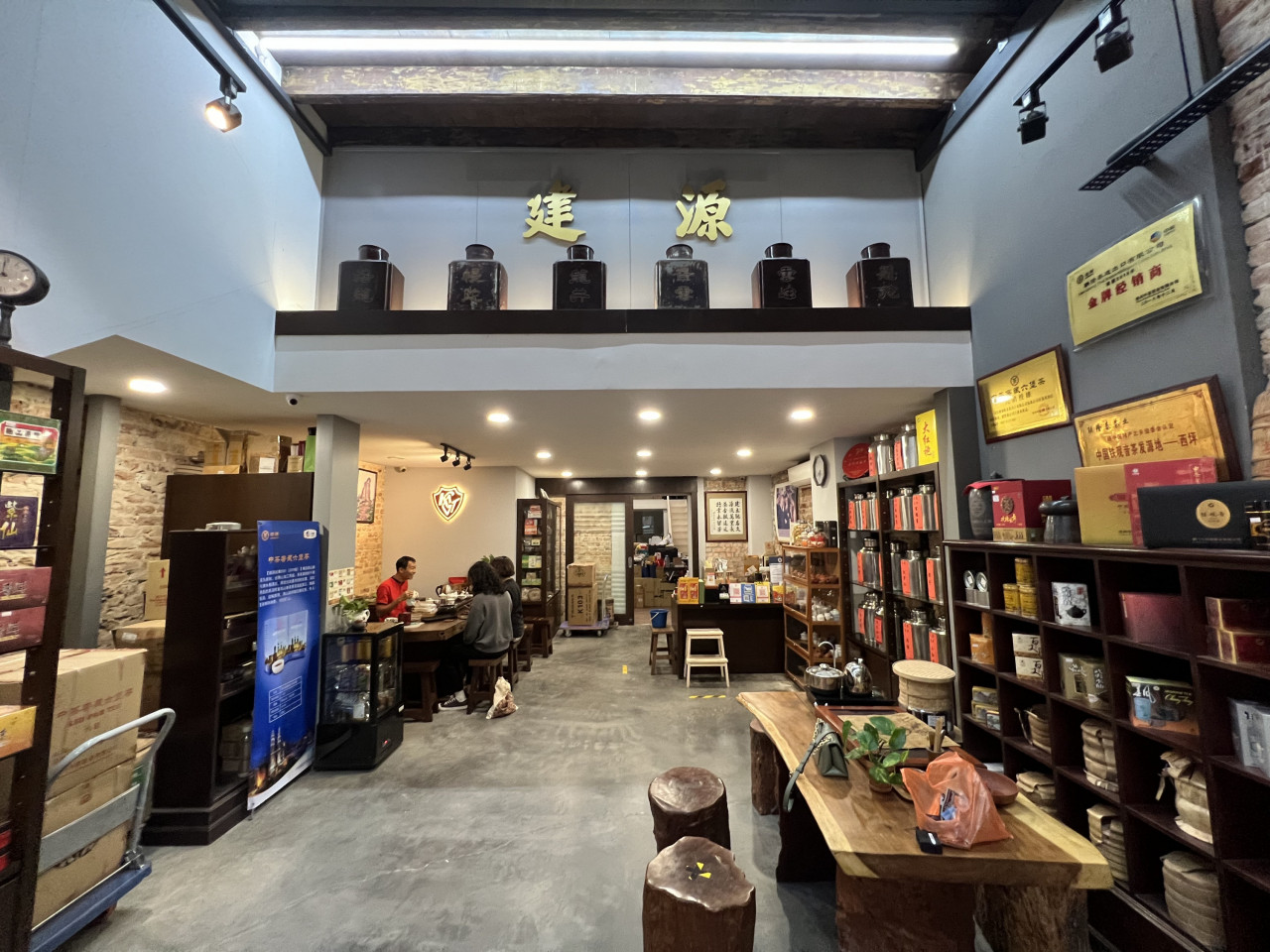
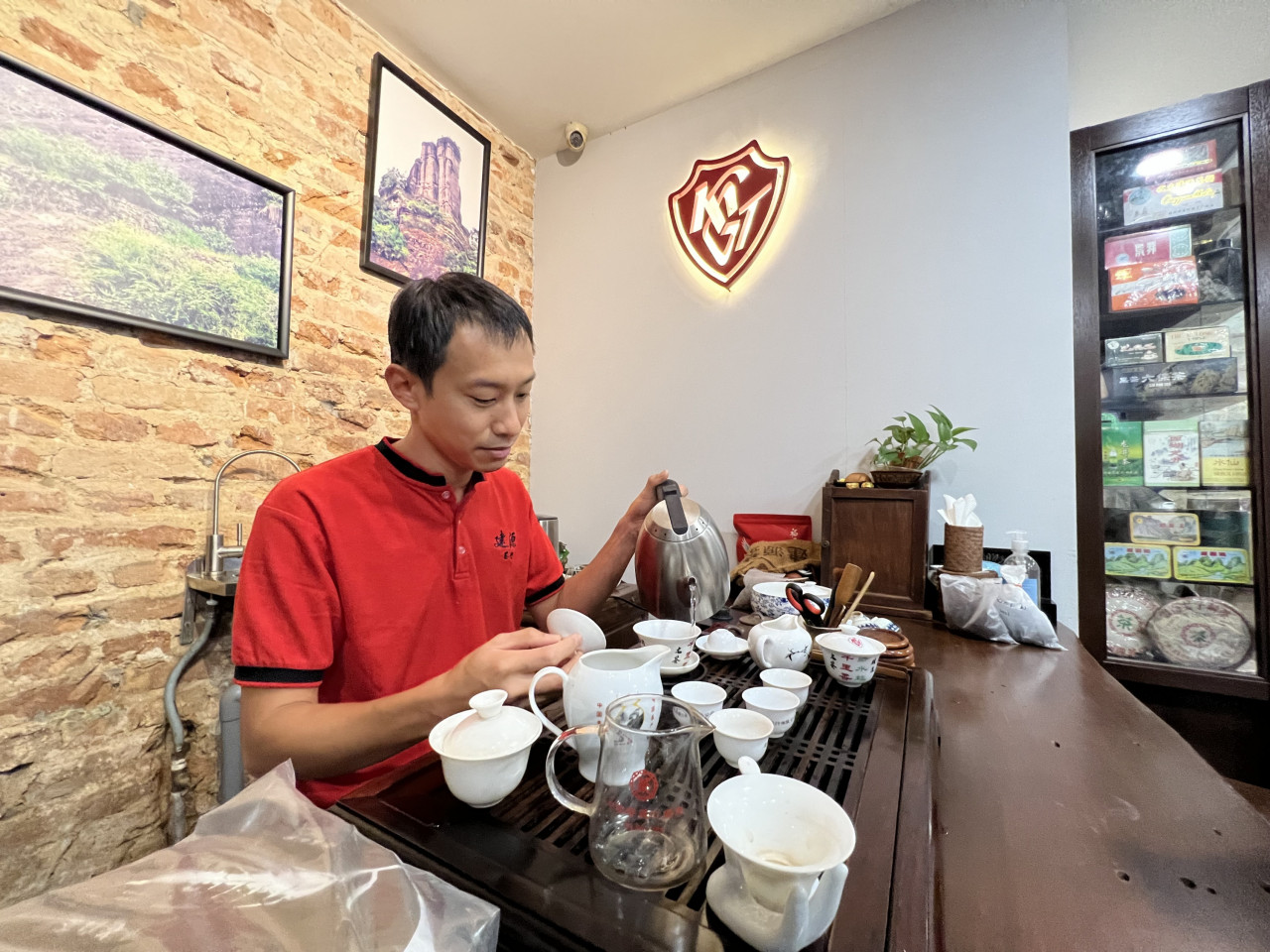
For 77 years and three generations in, Kean Guan Tea Merchants has been at the centre of socio-economic progress within the area it resides.
Although there have been some updates to the front and interior of the shop to have it look more modern, the ‘old in the new’ essence of the business shines bright.
Koh Kian Chuan who now looks after the business acknowledges the change in the scenery over the decades.
He mentioned that the tea market in Malaysia is relatively big considering that demands can go up to 50 tons or so a year in general, which includes non-high grade tea.
“Since there have been many eateries that demand for quality tea to introduce into the business. I actually see it as a positive,” said Kian Chuan, more fondly known as KC.
“We are indeed seeing a revival with more locals returning making Chinatown more hip. Jalan Petaling (and the areas surrounding) is definitely getting younger and more vibrant, mainly because of the different establishments coming in.
“You see next-gens coming back to take over or introducing new businesses where the atmosphere does not seem too foreign.
“While that is a plus, I do feel the pressures (of an old business) to maintain relevance. The kind where an area is being developed and cultivated into something different than what we are offering here at the shop.
“With so many eateries with varying options from steamboat to bbq and cafe-like style dining, questions like ‘Should we blend into the trend that we are witnessing?’, ‘Is the operation or what I am doing in tune with the surroundings?’ are just some of the concerns that play up,” he added.
At present, it is obvious why Chinatown gains much attention.
For the quaint corner tea shop, the first facility along a row of shophouses to greet visitors entering from Bulatan Merdeka (just after the historic Chan She Shu Yuen Clan Ancestral Hall), the pressing consideration is on its capability to change into creating demand instead of just waiting and wishing for customers.
Everything I brew, I brew it for you
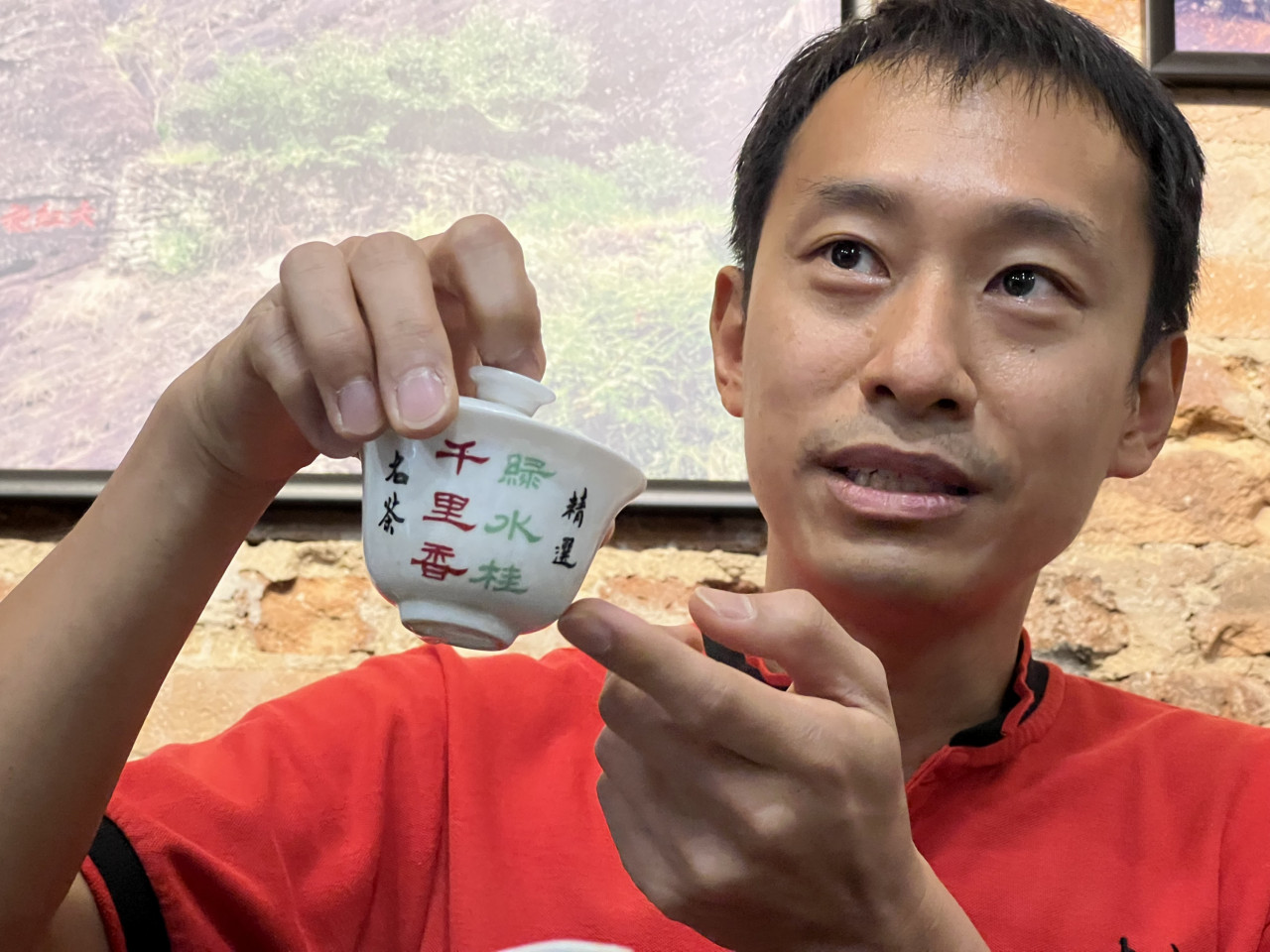
According to KC, tea – or to be more specific, Chinese tea – is not necessarily known to be trendy or young.
“I (honestly) wish I can say that tea drinkers get younger. Chinese tea is more popular among older generations and it’s not the sort of thing that the young can just catch on without much introduction.
“But there have been establishments, like Purple Cane (a tea art centre) conducting classes to present tea in a more attractive or youthful way as art.
“Kean Guan Tea Merchants has been around for a long time, and our focus is predominantly on importing, wholesale with B2B distributions via van sales (to restaurants and outlets) across the peninsular. We are already doing our part in catering to a big chunk of the market demand in that sense,” he noted.
Due to a shortage of manpower, KC is not able to do much when it comes to public engagement apart from entertaining and educating visitors on an ad-hoc level, usually through walking tours when groups visit and browse through his shop now and then.
.jpeg)
He would, however, be open to the idea of extending the customer relations front to someone else so he can be 100% more focused on the operations if the opportunity presents itself.
“Part of it is because our clients are so accustomed to only wanting to deal with the business owner or at least knowing that I am involved directly. I suppose it’s a traditional trait that would take time to faze out, where they want you and not a brand representative.
“We have so much respect for our existing pool of customers and that is the reason why we try to deliver that need.
“While it may be good to know that there is that sort of identity, it is somewhat a weakness in moving forward,” said KC.
The chance to sit and chat with the 45-year-old even if it is just for a few minutes is fascinating enough to celebrate the uniqueness of the legacy that he now helps to continue.
There is a certain degree of valuable insight to gain when talking directly to a business owner, what more when they are of the third generation.
When asked where he gained his knowledge and ability to articulate Chinese tea well across, he shares that customers “...who are doing business in tea themselves taught me the most”
“So they face the consumers the most, so the input comes at a bulk. I do gain some insight through walk-in customers as well but the information is not at a large volume if compared.
.jpeg)
Celebrating tea for an Oolong time
The history of tea within Chinatown in particular has an interesting storyline. It first came when Kuala Lumpur was known as a tin mining town where many Chinese immigrants who worked as miners during the tin mine boom (when Malaya was under British rule) then could be located.
It is said that to survive the harsh and difficult working conditions, the workers drank a lot of tea (specifically Liu Bao) for its medicinal properties. Due to this, many amounts of tea exports from China were seen to keep the workers satisfied.
The liking for Liu Bao tea saw a decline immediately when tin prices in the 80s dropped and mining activity decreased.
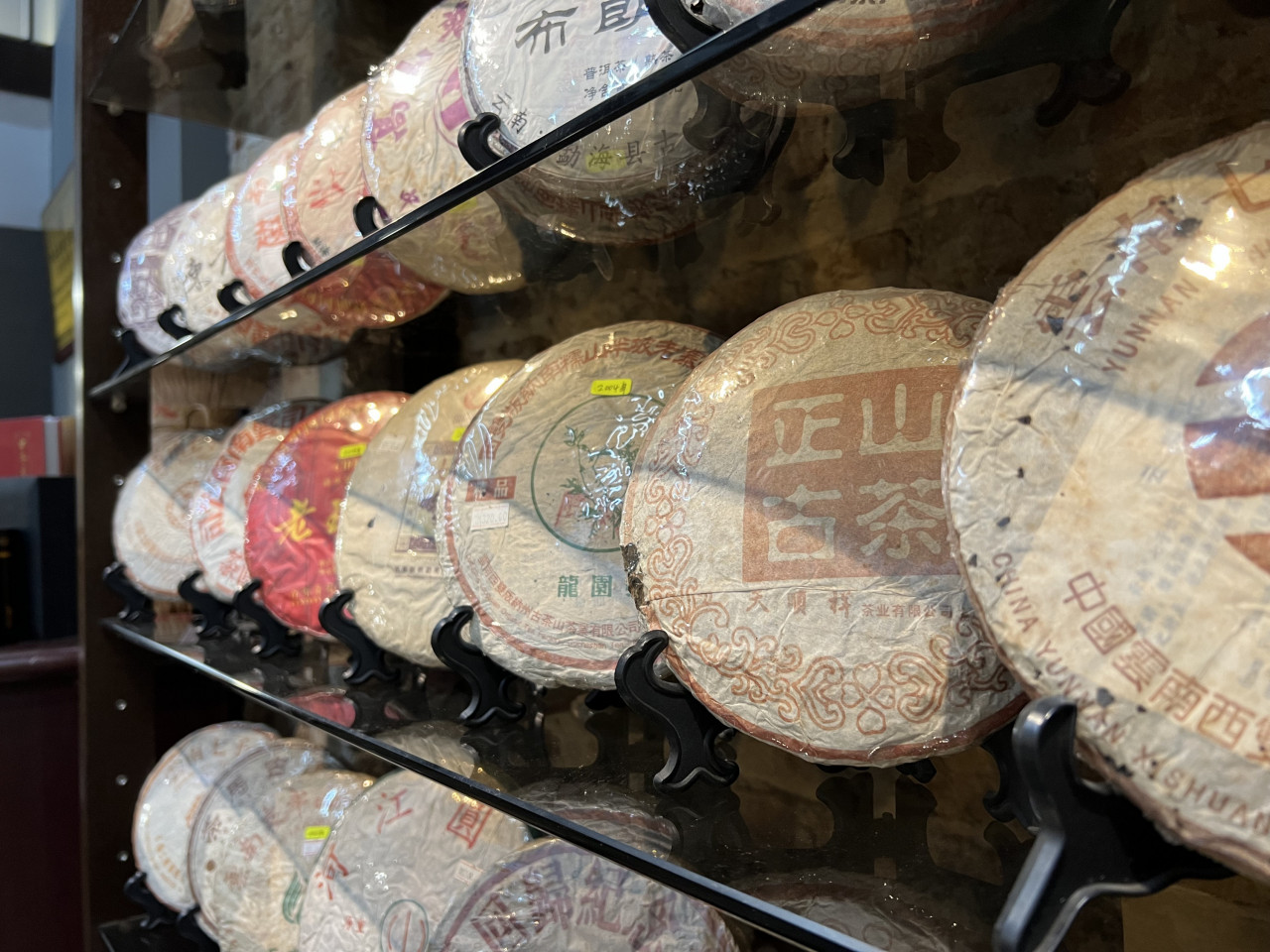
Little did we know that there was another popular star called Shou Pu-erh that was gaining enough liking from tea drinkers, especially in the 1970s. This made pu-erh tea far more popular than Liu Bao.
.jpeg)
But the latter eventually gained appreciation the second time around when it was discovered that the tea variation improved with age.
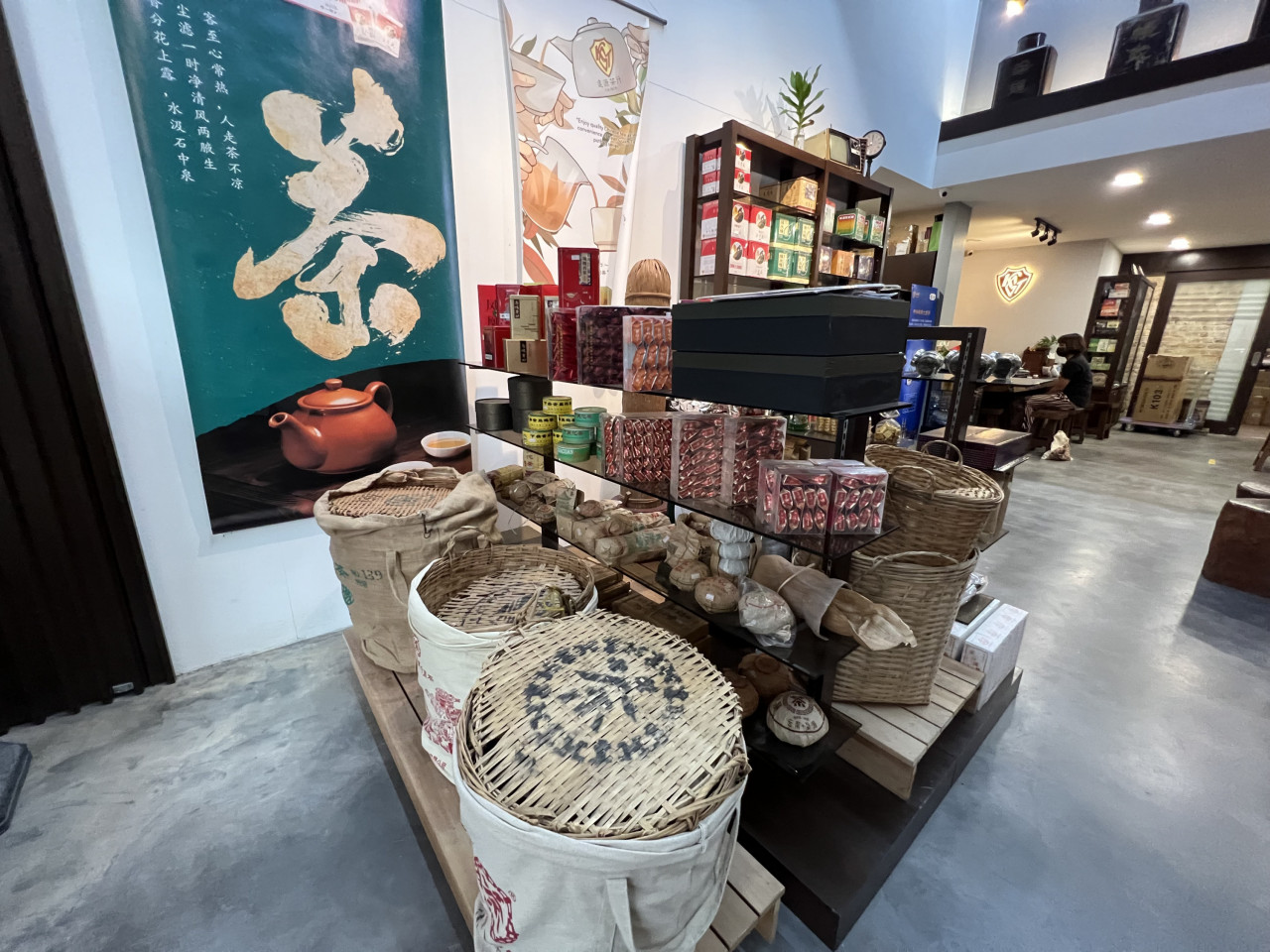
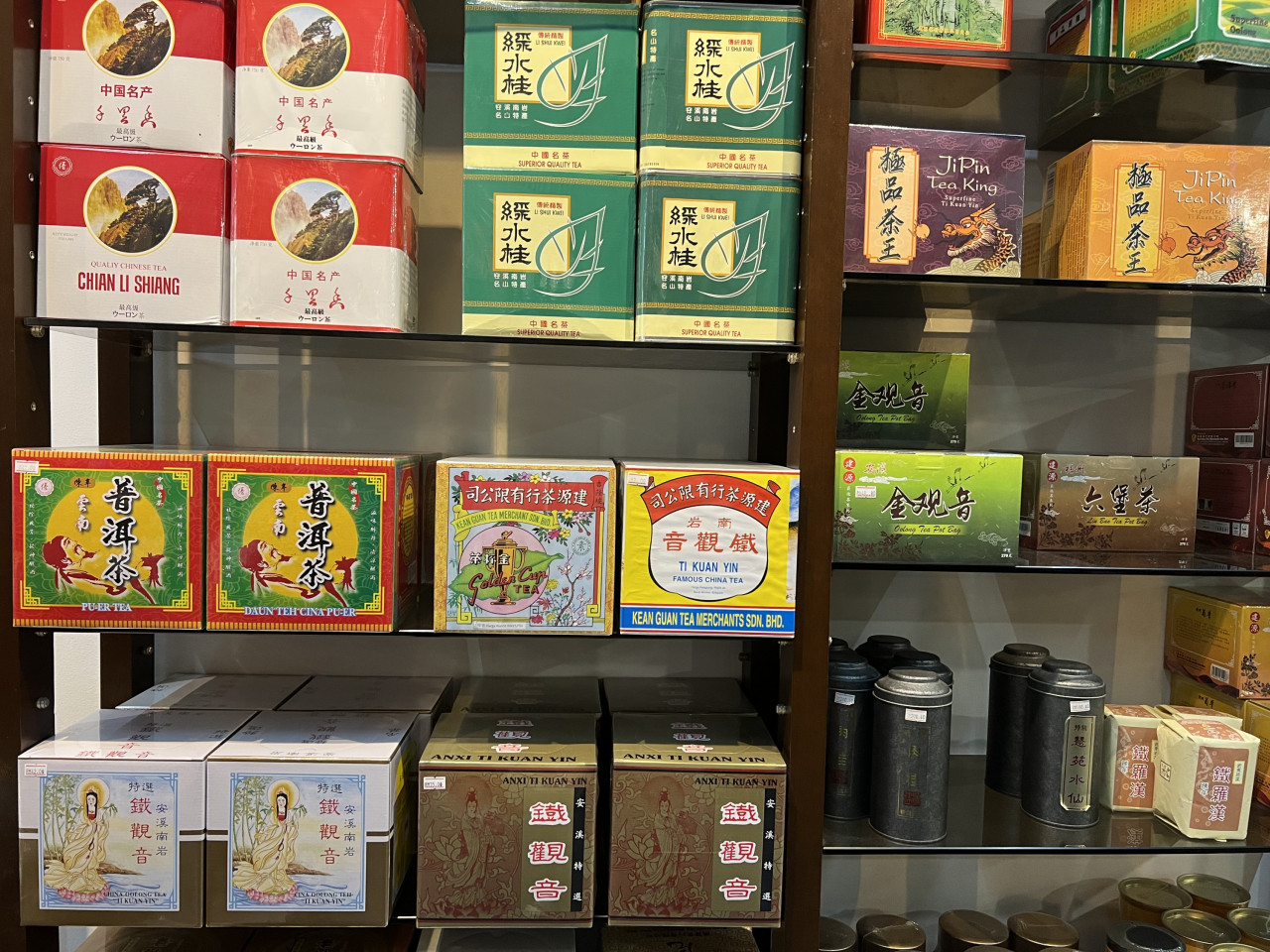
At Kean Guan Tea Merchants, one can predominantly source for Oolong tea, a semi-oxidised tea and the most complicated to make compared to green, black/dark.
“But we do carry other types, too. Why we focus on Oolong is because my grandfather came from the Fujian province of China where the tea is famously from and is of top-quality,” shared KC.
“We have several contacts and relatives owning estates there and it only made sense to bring it here.
.jpeg)
“Suffice to say, the tea that you get here in our shop today is also the same since when we first established. We still retain the same supplier offering age-old quality,” he added.
KC’s grandfather and father both have their own tea brand, “...but I honestly think they were looking at it as another way of selling.”
On whether he would have his own brand of tea: “I’m not sure because I look at branding as a big point to consider – from the blending and roasting.
“If it does happen, it would probably be a mark to honour the business and developing it onwards. Not so much a product of vanity." – The Vibes, July 10, 2022
*This article is part of a series of content produced for Lens KL, The Vibes Culture & Lifestyle’s fortnightly series that sheds light on the past, present and future aspirations of Kuala Lumpur.