AFTER the World Health Organisation decided to maintain aspartame in the category of artificial sweeteners that are potentially carcinogenic when consumed in high quantities, a brand-new sugar alternative has been developed.
As well as being natural in origin, it's above all the taste of this truffle-based product that could seal its success!
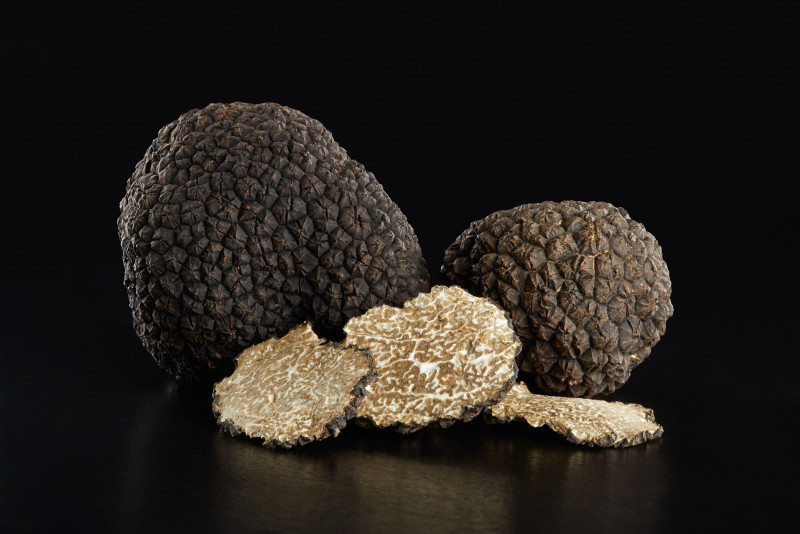
Truffles are often associated with pasta dishes or omelettes. But what if you could add them to yogurt or coffee too? It may seem like a far-fetched idea, but it's one that's being explored in the United States with the aim of developing a natural sweetener based on a type of truffle. More precisely, the process involves extracting a protein that supposedly delivers a sweet taste.
This research has been carried out by an American start-up, which highlights the truffle-based product's absence of aftertaste, unlike other sweeteners.
But not just any variety of truffle can be used. This may prove disappointing to fans of the intense flavour of the Périgord black truffle, but here, the breakthrough relates to a variety of truffle cultivated mainly in Hungary, known as the honey truffle.
This discovery was made by MycoTechnology, a company already spotlighted for its research into various varieties of mushroom. At its plant in Colorado, the start-up is developing plant-based alternatives to products containing common allergens such as soy, nuts and milk, using fermented mushrooms as a starting point.
Beyond the appealing taste of this new truffle-based sugar alternative, the product could be landing at just the right time, since the dangers of aspartame have once again been under discussion.
The World Health Organisation recently maintained its decision to classify the famous artificial sweetener as potentially carcinogenic when consumed in high doses. The WHO considers an intake of up to 40 mg per kilogram of body weight per day to be acceptable. As an example, an adult weighing 70kg would have to consume between 9 and 14 cans of diet soda to exceed this threshold. – ETX Daily Up, July 19, 2023