


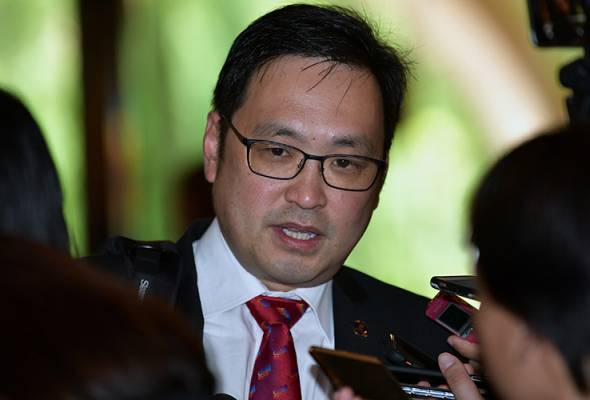

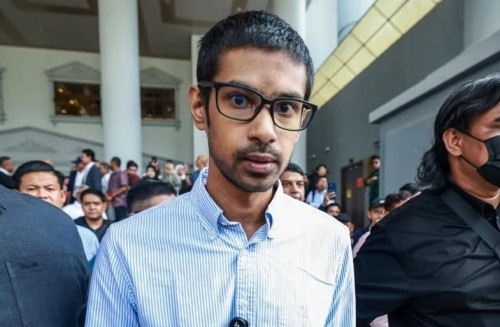
SARAWAK state ministers and deputy ministers should be included under the legal jurisdiction of the state’s recently passed ombudsman law as they are often the decision-makers on policies that impact the people, said Padungan assemblyman Chong Chien Jen.
Excluding these government leaders from the new law’s jurisdiction makes it weak, the ongoing assembly sitting heard today.
Chong said that while he welcomes the passing of the ombudsman law, it is only “half-cooked” since ministers and deputy ministers as policymakers are not covered.
The Sarawak Ombudsman Bill 2023 was passed by the assembly yesterday.
Deputy Premier Datuk Amar Awang Tengah Ali Hassan had said that Sarawak is the first state to enact an ombudsman law.
It is even ahead of parliament, which has yet to pass a federal law for the establishment of Ombudsman Malaysia, an independent body to address public complaints against government departments or agencies.
Deputy Minister in the Premier’s Department Datuk Juanda Jaya (in charge of integrity and ombudsman) said all employees of the state’s civil service and state government-linked agencies and companies are covered by the law.
“All employees whose salaries are paid by the Sarawak government are under the jurisdiction of the new ombudsman law.
“The law allows members of the public to lodge complaints to the ombudsman if they are unhappy with the services or decisions rendered by these state civil servants.
“The new law governs issues like efficiency of decisions on public services, delivery of these services, conduct of civil servants, delay in decision-making, abuse of powers etc.
“The new law allows the ombudsman to impose appropriate punishments or measures to act against those found guilty of malpractices.
“The coverage of the new law is limited to the state civil service, state local council authorities, state statutory bodies and state government-linked companies,” he said in his public debate.
Chong, in his response during the debate session, said civil servants often get their directives from the ministers or deputy ministers.
“Even with the new law, the civil servants can just say that they receive directives to make certain decisions from the state ministers or deputy ministers.
“So, even if there are public complaints against these civil servants, they will get away with it by saying the directive or decision was from the ministerial levels.
“Unless the new law covers the state ministers and deputy ministers, it is weak and half-cooked,” said Chong.
Chong is also chairman of both Sarawak Pakatan Harapan and state DAP. – The Vibes, November 21, 2023








.jpg)


.jpeg)
