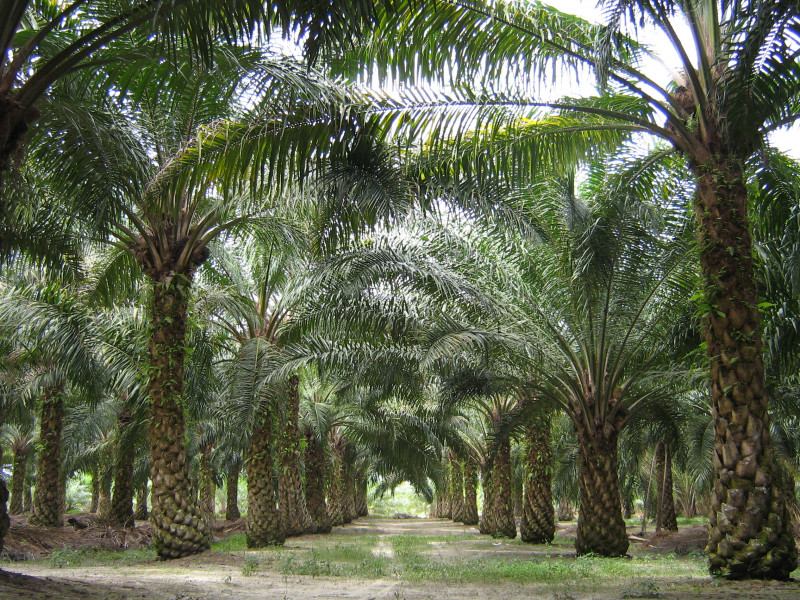
MALAYSIA'S palm oil production has shown resilience despite challenges posed by recent floods, according to the Malaysian Palm Oil Board (MPOB).
Although facing disruptions, such as waterlogging and delayed harvesting in certain regions, the MPOB expects the overall impact on palm oil output to be manageable.
MPOB Director General Ahmad Parveez Ghulam Kadir said the palm oil sector is expected to weather the effects of localised disruptions.
“While temporary delays are possible, the resilience of the industry ensures that Malaysia’s palm oil output will remain stable,” he assured Reuters today.
The disruptions come amid Malaysia’s annual monsoon season, which began in early November 2024 and is expected to last until March 2025.
The Malaysian Meteorological Department has issued warnings for heavy rainfall, particularly in flood-prone and low-lying areas. These conditions could lead to more flooding, similar to the severe floods that devastated large parts of the country in late 2024, displacing more than 90,000 people.
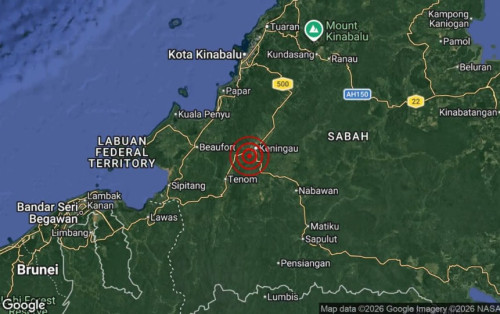
A second wave of floods in January 2025 displaced thousands more in Johor, Sarawak, and Sabah on Borneo Island.
Sarawak and Sabah alone contribute to over half (55%) of Malaysia’s palm oil plantations, accounting for approximately 44% of the nation’s crude palm oil production in 2024.
Despite the flood challenges, Ahmad Parveez stressed that the MPOB is actively collaborating with growers to help mitigate the impact and ensure recovery.
“Short-term challenges may arise, but Malaysia’s palm oil sector is well-equipped to safeguard production and continue to meet global demand,” he said.
In terms of future demand, the MPOB remains optimistic. Ahmad Parveez noted that demand from major consumers such as India, China, and Europe is expected to remain stable. However, there are shifts in market dynamics.
In India, for instance, refiners have increasingly turned to soybean oil due to more favorable refining margins, although palm oil demand is expected to rise in the lead-up to Ramadan, which begins in March.
Meanwhile, China’s palm oil imports will largely depend on the price competitiveness of palm oil relative to other edible oils and the broader market conditions.
In Europe, Ahmad Parveez pointed out that although the demand for palm oil remains steady, there is a delay in the implementation of the European Union's Deforestation Regulation (EUDR). This has reduced the urgency for stockpiling, and imports may fluctuate depending on price shifts and how the palm oil industry adapts to new regulatory challenges.
Ultimately, the competitiveness of palm oil compared to other oils like soybean and sunflower oil will be a critical factor influencing demand trends in the near term. Despite the challenges, Malaysia’s palm oil industry is confident in its ability to maintain steady supply to global markets. – February 10, 2025








.jpg)