
KUALA LUMPUR – Inquests have become a go-to tool for those who questioned initial police findings into certain deaths.
Less than a year ago, an inquest into the death of firefighter Muhammad Adib Mohd Kassim at a temple in Selangor concluded he was likely killed by persons unknown.
But last month, the police recommended a fresh inquest into Adib’s death.
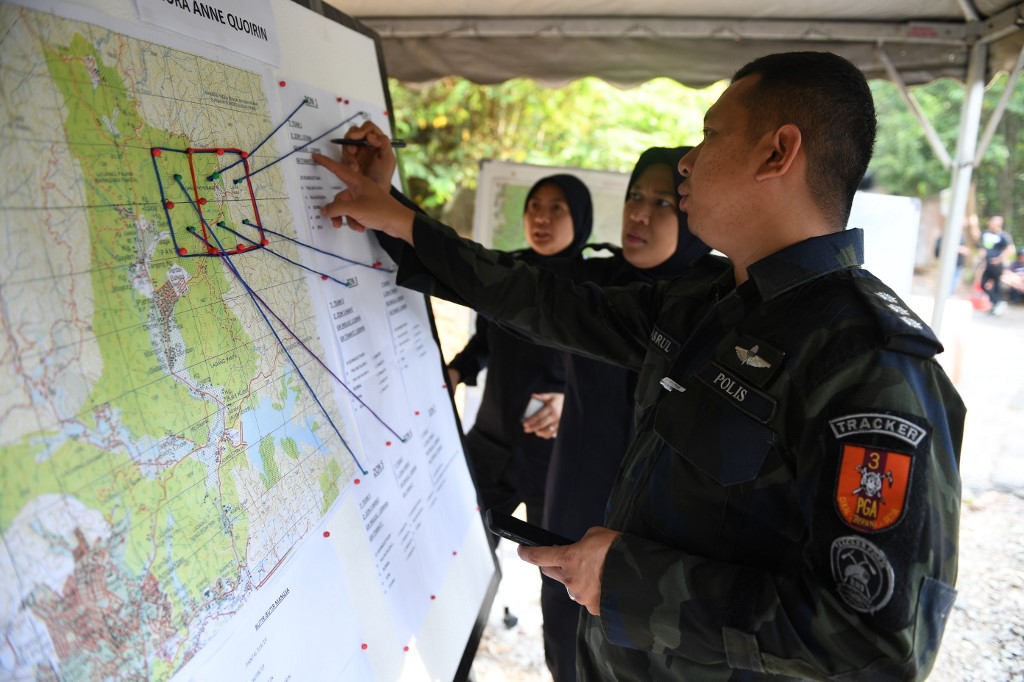
In addition, there is an ongoing inquest into the death of French-Irish teenager Nora Anne Quoirin whose body was found near a river at a holiday resort in Negri Sembilan last year.
Earlier, police had concluded that there was no foul play in Nora Anne’s case. So, why a need for an inquest?
Who oversees an inquest?
The cause of death is determined by a medical examiner. In Nora Anne’s case, it was determined that she died from gastrointestinal bleeding.
According to Section 328 of the Criminal Procedure Code, a magistrate who presides over a death inquest has to determine the circumstances that resulted in her gastrointestinal bleeding.
Who initiates an inquest?
When police classified a death as mysterious or suspicious, Section 329 of the same code states they are duty-bound to inform a magistrate about it and submit their investigation report.
The magistrate then decides whether to conduct an inquiry.
Alternatively, a prosecutor can also direct a magistrate to conduct an inquest.
“There was a case in 2017 where a Dutch model fell to her death at a condominium in Kuala Lumpur.
“An American couple admitted to having sex with the model but said they had nothing to do with her death and the police agreed.
“Later on, a private investigator came forward with information that there was foul play involved and a prosecutor directed an inquest be held,” lawyer Gerard Lazarus told The Vibes.
On November 22, the Kuala Lumpur High Court ruled that the model’s death was caused by a person(s) known or unknown and directed the Attorney General’s Chambers to order the police to investigate her death.
What happens at the end of an inquest?
At the end of a criminal trial, a judge has one of three decisions he can make. The judge can either decide the accused is:
- Not guilty
- Guilty
- Not guilty by reason of insanity
Similarly, when it comes to a death inquest, a magistrate can make one of the following conclusions concerning death:
- An accident caused death due to the deceased’s fault
- Events beyond human control caused the death
- The death was caused due to known or unknown person(s)
- The cause of death is unknown
Inquests do not just provide families with answers
It may be common to think that inquests provide closure to family members, Lazarus said it provides information to other interested parties.
“These inquiries aren’t just for the aggrieved parties to find out what happened to their loved ones, but it’s also for the police to confirm their findings.”
Meanwhile, the inquest into Nora Anne’s death is ongoing. – The Vibes, September 19, 2020

.jpg)