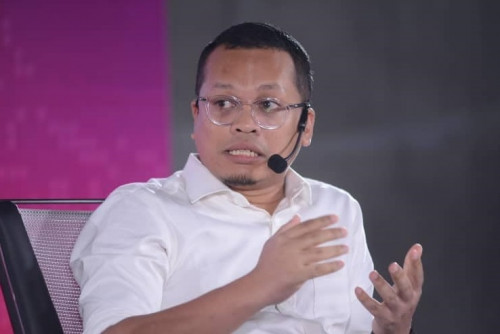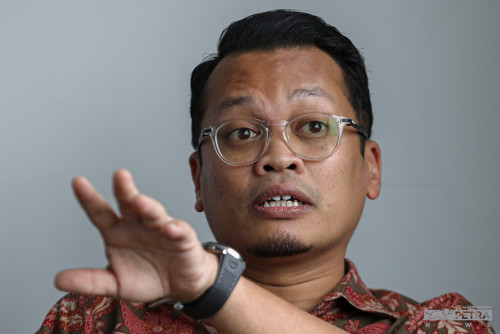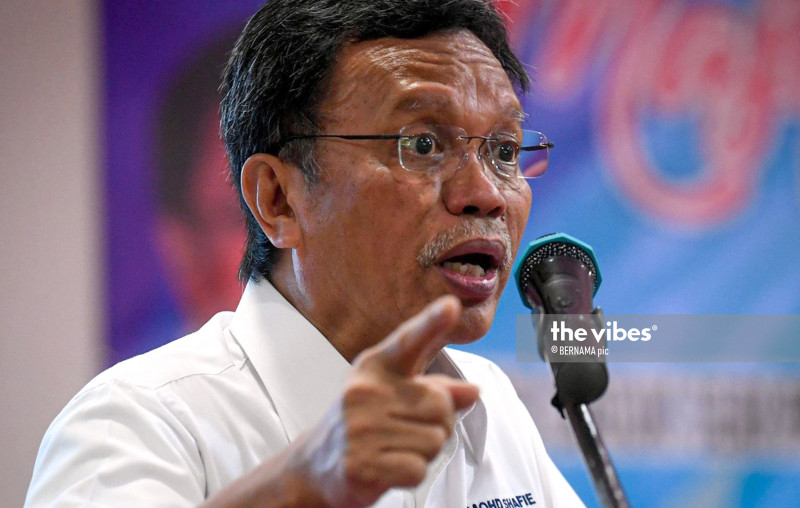

KOTA KINABALU – Warisan president Datuk Seri Mohd Shafie Apdal is insisting that the Gabungan Rakyat Sabah (GRS) state government is in a comfortable financial position because of Warisan’s previous rule over Sabah.
When Warisan left the government, it had not only settled debts incurred by the previous Barisan Nasional (BN) administration, but had also left behind a framework for Sabah to increase its income.
He claimed this in an apparent riposte to Chief Minister Datuk Seri Hajiji Mohd Noor's remarks during his state Budget 2021 debate speech in the Sabah Legislative Assembly yesterday.
Shafie, who is also Senallang assemblyman and current state opposition head, had served as chief minister during the Warisan administration from May 2018 to September this year.
“When Warisan governed Sabah in 2018, it was burdened by debts left by the past BN government; not only by the RM1 billion bond with the federal government, but also by other debts, including to the Sabah Development Bank amounting to RM6 billion.
“By saving money, we managed to pay the RM1 billion bond with one bullet payment within one year (in 2019) even though the economy was not encouraging.
“We also increased Sabah’s income by imposing a sales tax on petroleum oil on nine companies, including Petronas and Shell. This was completed in April this year, and Shell was the first company to pay 5% for Sabah’s petroleum products,” he said.
Yesterday, Hajiji (GRS-Sulaman) had told the House that although the petroleum sales tax was gazetted in 2018 and came into effect on April 1 this year, efforts to realise it had started before then.
The state Finance Ministry had, since 2014, appointed Ernst & Young as a consultant to study issues on the tax in terms of administration and future prospects, he had said.
“The study was presented in the state cabinet meeting the same year and was agreed to in principle,” he had said.
Hajiji had also said when the RM1 billion bond started in 2014, the state had already set up a sinking fund to repay it following a recommendation from Bank Negara Malaysia.
The state had contributed to the sinking fund each year so that it would not be burdened upon the bond’s maturity date in 2019, he had said.
Hajiji had also stressed that the RM1 billion was provided at a low coupon rate at 4.275%, while the state invested in fixed savings at Sabah Development Bank Bhd with returns of 4.325%.
“With this, the state government had actually earned from its investment, and (the bond) is not a bad debt (hutang lapuk) of the government, as claimed by some,” he had said.
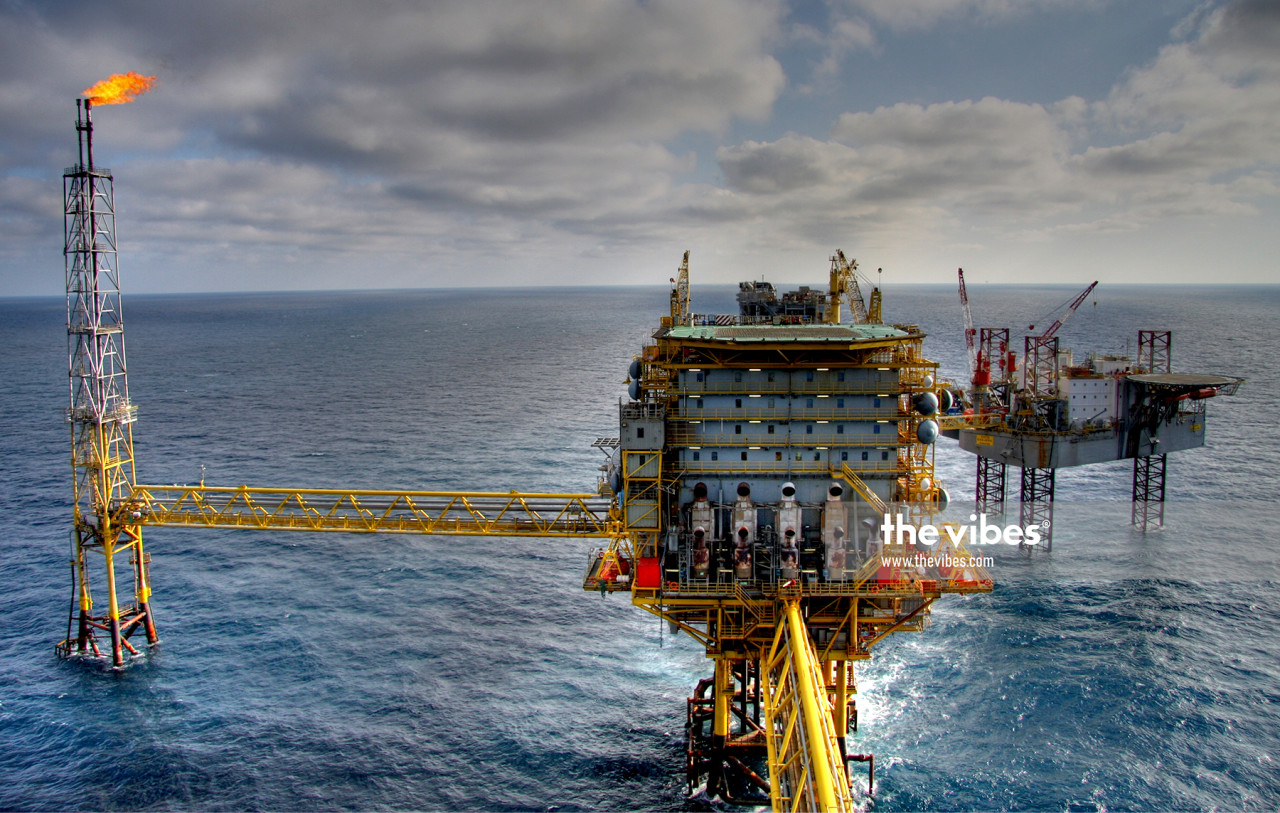
Meanwhile, Shafie said Petronas had been reluctant to pay the sales tax at first, but Warisan had brought the issue to the attention of the federal Finance Ministry and state attorney.
He said at the time, then prime minister Tun Dr Mahathir Mohamad and then Petronas president Tan Sri Wan Zulkiflee Wan Ariffin had agreed on principle to substitute the 20% oil royalty demanded by the state with Sabah’s shareholding in Petronas.
“It was a great move because, other than getting 5% royalty, Sabah would also get 5% sales tax, besides getting dividends as Petronas’ shareholder,” he said.
“Dr Mahathir had, at the time, told me that the state government does not need to pay a single sen to change 20% royalty to shareholding in Petronas, because part of the (Petronas’) oil is from Sabah.
“The 20% royalty, estimated to be worth RM10 billion to RM20 billion, was to be replaced with shareholding in Petronas, and Petronas is earning nearly RM90 billion each year from oil,” he said.
Putrajaya's unjust tourism formula
The former chief minister also said that Sabah did not get the allocation it deserved from the federal government, despite being in the same political alliance.
On tourism, for example, despite being a state with a high number of tourists, at four million a year, Sabah’s tourism sector only receives RM12 million a year.
He said that it was unjust for Putrajaya to use a formula that only accounts for hotels through its assessment tax, without considering other services that come under tourism, such as handicraft, food and beverages, and transportation.
“All these have to be taken into account in the revenue distribution formula framework for Sabah’s tourism sector,” he said.
Shafie also criticised the slow progress of the Pan-Borneo Highway project as it is now dependent on decisions made by the federal government.
He said when Warisan controlled the government in 2018, the project was managed by the state with the chief minister as its chairman, and state secretary as the project’s state secretariat, while the state Infrastructure Development Ministry also played an important role.
“All decisions were made at the state level,” he said, claiming that Sabah now has to wait on decisions made by the federal government.
Warisan had also refused to work with the project delivery partner as it was not part of the government but would have the authority to determine the direction of the project if appointed, he added. – The Vibes, December 24, 2020