THREE leading forensic document experts from Kuala Lumpur have begun detailed examinations of materials tendered in the inquest into the death of Zara Qairina Mahathir, as scrutiny intensifies over the authenticity and integrity of the documents in question.
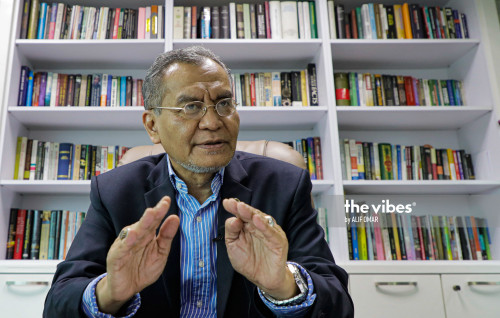
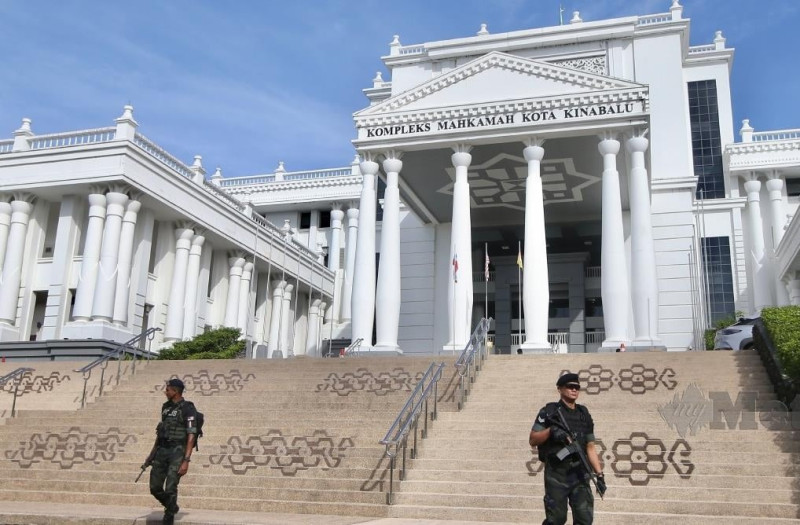
Independent forensic examiner Tay Eue Kam, Universiti Sains Malaysia (USM) senior forensic science lecturers Dr Dzulkiflee Ismail and Dr Wan Nur Syuhaila Mat Desa are conducting on-site assessments at the Kota Kinabalu Coroner’s Court using mobile laboratory equipment brought from the capital.
Speaking outside the court complex on Wednesday, Mohd Syarulnizam Mohd Salleh, the lawyer representing Zara’s mother, said the experts were reviewing several materials, including diaries, torn pages and a book titled Love and Peace, all of which had previously been marked as court exhibits.
“Our aim with these forensic examiners is to delve deeper into the documents presented in court,” he said. “Last week, we also heard from Dr Linthini Gannetion of SD Forensic Document Services, who specialises in handwriting and signature analysis.”
Syarulnizam said the current examination would focus on ink analysis, types of pens used, paper folds, and any evidence of tampering, additions or deletions. A replica of the *Love and Peace* book is also being used to reconstruct possible sequences in the writing and tearing of pages.
“It appears that several pages were torn from the book and marked in court – possibly exhibits Y1 to Y15 – with the rest returned to Zara’s mother before being handed to police,” he explained. “Other items from lawyer Hamid Ismail’s office are undergoing DNA analysis.”
The defence team hopes the court will allow access to the documents during Thursday’s proceedings to support the forensic reconstruction process.
“The reconstruction is crucial, particularly in confirming whether the torn pages originated from the same book. We are also investigating if pages were removed or inserted,” he said.
Syarulnizam added that the involvement of forensic scientists is essential to help the Coroner’s Court understand the scientific context behind document handling and interpretation.
“Before we confirm the authenticity of these documents, we must first determine which should be considered reliable and which must be set aside,” he said. “These documents changed hands multiple times – from teachers to police and others – and we cannot be certain what occurred in between.”
He noted that children at Zara’s hostel had testified to her habit of frequent writing, and that the book was kept in a locker accessible to others, raising the possibility of interference.
“This process is about establishing the truth, and that requires sound scientific data,” he said.
The forensic review is expected to continue until Friday and may be extended. If additional documents become accessible, the legal team hopes Dr Linthini will also return to contribute further analysis.
“Some may ask why two forensic teams are needed, but forensic document examination is a wide field – beyond handwriting to include ink evolution and writing styles,” he added.
Preliminary observations suggest that Zara’s handwriting was typical of children transitioning into adolescence, described by experts as “copy printing”.
“Primary school children often write in large, rounded letters, and this style is common. But a more detailed examination is needed to confirm whether the writing truly belonged to Zara – it cannot rely solely on what has been submitted,” he said.
Previous court proceedings involved handwriting found in three diaries, a book, and 15 sheets of paper attributed to the late Zara Qairina.
The legal team, including Shahlan Jufri, Rizwandean M. Borhan, Mohd Luqman Syazwan Zabidi, and Farrah Nasser, is representing Noraidah Lamat, Zara’s mother, as an interested party in the inquest. - September 24, 2025