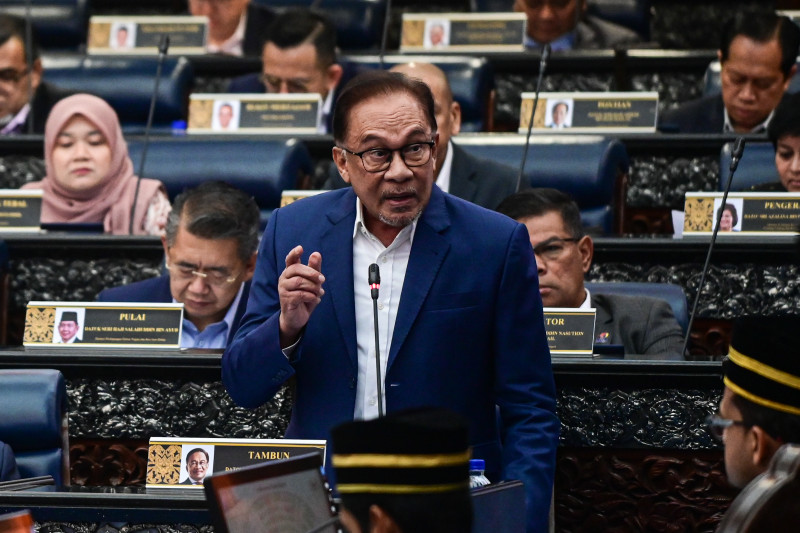
PRIME MINISTER Datuk Seri Anwar Ibrahim stated that the proposed exemption of the RON95 subsidy for the T15 income group would be deferred until the current system is strengthened.
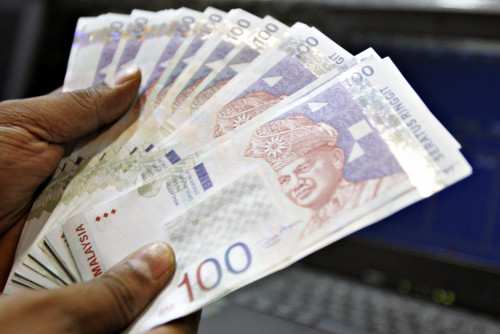
"If we look at T15, if we initially set the threshold at RM13,000 per month and later at RM20,000 per month, it still places pressure on the upper-middle class.
“We therefore propose raising the threshold to around RM50,000 per month, but the number of people affected under that threshold is very small," he said.
"From an enforcement standpoint, the cost of implementing this measure is substantial. So for now, our view is that we implement this first, and if there is a need in the future, when the system is more robust, then we can introduce it.
“But this would be for those who are truly high-income or genuinely wealthy," he added in response to a supplementary question from Syerleena Abdul Rashid (PH-Bukit Bendera).
Syerleena had questioned why the Budi95 initiative, which provides targeted petrol subsidies, benefits all Malaysian citizens, including the T15 group, despite the RON95 subsidy being aimed at 85 per cent of the population.
Anwar explained that the Budi95 initiative was expected to help the government save RM2.5 billion. He highlighted other rationalisation measures, including the floating of chicken and egg prices, which saved RM1 billion each; the restructuring of electricity tariffs, saving RM6 billion; and RM5 billion through the Budi Madani Diesel Programme, largely by addressing smuggling and leakages under the previous system.
"In my opinion, these savings were sufficient for the government to implement the measures carefully, so as not to burden the people," he said.
On the matter of international trade, Anwar noted that the effects of the 19 per cent tariff imposed by the United States are still under study.
"We have been monitoring the effects and closely watching the implications. Naturally, the government should review certain policies to ensure they do not burden the people," he added. - November 4, 2025


.jpeg)