NO new cases of the Nipah virus have been reported in Malaysia so far, following an outbreak detected in West Bengal, India.
The Ministry of Health Malaysia (MOH) in a statement announced that it remains vigilant against the risk of cross-border transmission following sporadic infections in several other countries, although the country has not reported any cases of the disease since 1999.
“Continuous monitoring of the disease has also been enhanced through collaboration with the Malaysian Veterinary Services Department (DVS) and the Department of Wildlife and National Parks of Peninsular Malaysia (PERHILITAN) through the ‘One Health’ approach.
“To date, no Nipah virus has been detected in domestic or wild animals,” the statement said today.
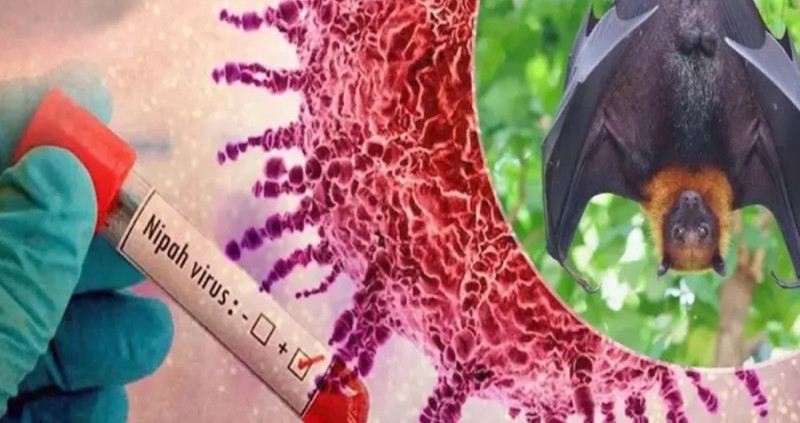
Nipah disease is a zoonotic infectious disease caused by the Nipah virus (NiV) with bats as its natural host.
Infection to humans can occur through direct contact with body fluids of infected animals, such as saliva, blood and secretions, ingestion of contaminated food and contact with body fluids of infected individuals.
Symptoms such as fever, headache, vomiting, cough, difficulty breathing, convulsions, confusion and disorientation usually appear after an incubation period of five to 14 days.
Complications of this disease include encephalitis and respiratory problems, with a mortality rate of between 40 and 75 per cent.
It is mandatory to report the disease under the Prevention and Control of Infectious Diseases Act 1988 (Act 342).
The Ministry of Health advises the public, especially travellers to high-risk areas, to maintain personal hygiene, avoid contact with sick animals or consumption of products suspected of being contaminated to prevent Nipah virus infection.
"Travellers from risk areas are also advised to monitor their own health status and immediately seek treatment at nearby health facilities if they are unwell," the statement read.
MOH will continue to strengthen preparedness through health screening at International Points of Entry (PMA), especially involving travellers from countries at risk.
At the same time, MOH is also enhancing continuous surveillance, strengthening the capacity of the country's laboratory, preparedness of health facilities, implementation of preventive measures, control, including infection prevention and control (IPC) practices, as well as cross-sectoral cooperation between agencies to protect public health and prevent the re-emergence of the disease in the country. – January 28, 2026