THE failure of foreigners to pay treatment bills at government clinics and hospitals continues to put pressure on the public health system when the arrears reached RM102 million in a three-year period since 2023.
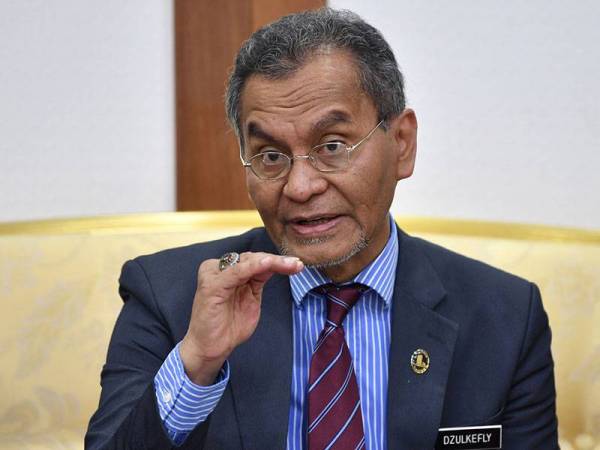
Health Minister Datuk Seri Dr. Dzulkefly Ahmad said that treatment bill arrears were recorded at RM34.97 million in 2023, increasing to RM33.46 million in 2024, before decreasing to RM30.57 million last year.
According to him, despite a decrease of 8.64 percent or RM2.89 million in 2025 compared to the previous two years, the amount is still a burden on the country's public health expenditure.
“For example, in 2025, illegal immigrants (PATI) recorded the highest amount of RM22.40 million or 73.30 percent of the total value of failed bills.
“This amount contributes to the total amount of outstanding bill payments which is still around RM30 million despite a decrease of RM2.89 million compared to previous years,” he told Utusan Malaysia.
Dzulkefly explained that the cost of treatment for foreigners in government hospitals is higher than that of Malaysians because they are not eligible for government subsidies.
For example, specialist outpatient treatment charges for foreigners are set at RM120, compared to only RM1 and RM5 for Malaysians for specialist treatment.
According to him, the Ministry of Health (MOH) has implemented several revenue collection management mechanisms and monitoring of medical bill arrears to ensure that the payment process can be controlled more effectively.
He said that among the measures taken include charging a deposit to foreigners before treatment is provided.
In addition, Dzulkefly said that actions to cut off the bank accounts of companies or employers are also implemented if they fail to pay their employees’ medical bill arrears.
“The Ministry Health is also working with foreign embassies to coordinate with the next of kin of patients to settle their citizens' outstanding bills.
"In addition, we are working with the United Nations High Commission for Refugees (UNHCR) and non-governmental organizations (NGOs) that intend to help finance the cost of treatment for foreign countries that cannot afford it.
"Notices of payment demands are also issued to individuals, companies, NGOs and statutory bodies that record arrears," he said.
Dzulkefly said that the financial protection of foreign workers has also been strengthened through collaboration with the Malaysian Immigration Department by requiring employers to contribute to the Foreign Workers' Health Insurance Scheme (SPIKPA) in the Temporary Work Visit Pass (PLKS) application process.
According to him, the ministry is now intensifying cooperation between government agencies in formulating strategies and action plans related to the management of foreign patients, especially PATI, to address the issue of medical bill arrears more comprehensively. – January 29, 2026