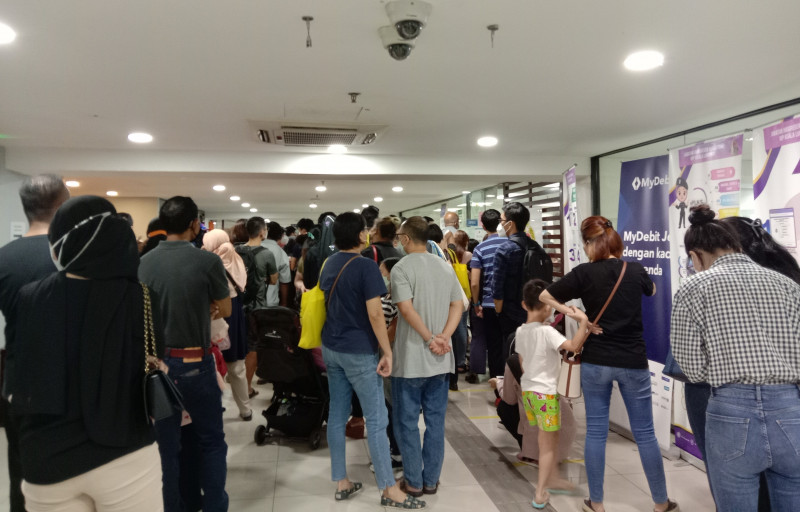
THE nation’s long-standing culture of crowded government offices, endless waiting lines and paperwork-heavy administrative procedures is rapidly being replaced by an integrated digital ecosystem designed to place public services directly into the hands of citizens.
At the centre of this transformation is MyDigital ID, which is increasingly being positioned as the government’s unified authentication platform and the foundation of a broader nationwide digital governance strategy.
The latest development came with the decision to require MyDigital ID integration for users accessing the MyJPJ platform, signalling the government’s intention to standardise digital identity verification across agencies and eventually consolidate numerous public services under a single secure login system.
The move marks a significant milestone in Malaysia’s broader gov-tech agenda, which aims to modernise state administration, improve efficiency and reduce dependence on physical counters that for decades defined interactions between citizens and government departments, Malay Mail reported on Wednesday.
For generations, even routine administrative matters often required Malaysians to navigate congested roads, secure parking at government complexes, queue for service numbers and wait hours to complete simple transactions.
That landscape is now changing rapidly.
A growing number of public services can be completed entirely online through mobile applications and digital portals, dramatically reducing processing times while improving accessibility for millions of citizens.
Among the most transformed agencies is the Road Transport Department (JPJ), where motorists are now able to renew road tax digitally following the removal of compulsory physical stickers.
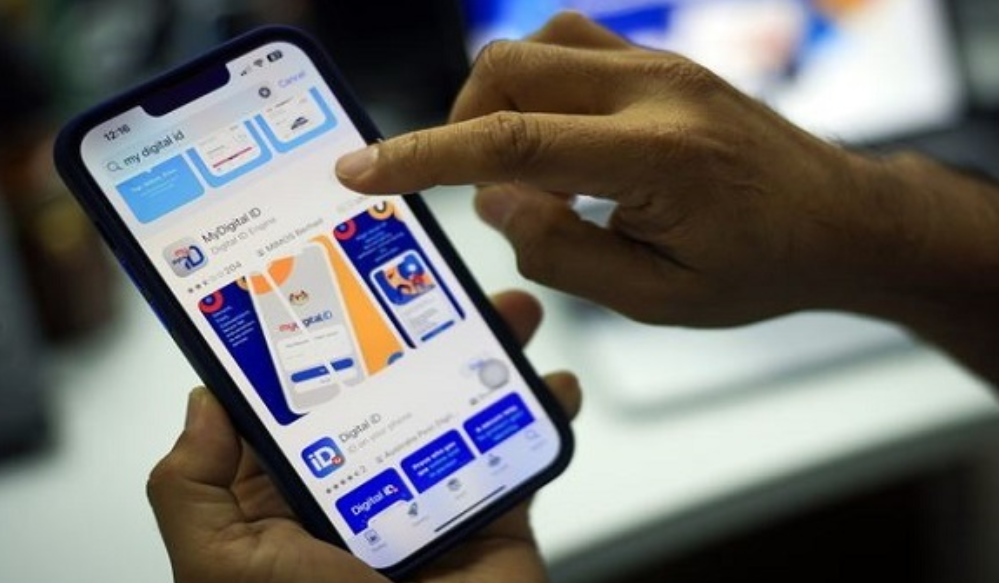
Driving licence renewals, summons payments and even ownership transfer procedures can now be conducted through the MyJPJ application, effectively eliminating the need for most routine branch visits.
The National Registration Department (JPN) has similarly shifted major portions of its operations online.
MyKad applications and replacements, birth and death registrations, appointment scheduling and document status tracking are now accessible digitally, leaving only essential biometric verification and collection processes to be completed physically.
The Immigration Department has also embraced digitalisation, significantly reducing the once-common scenes of long passport renewal queues.
Malay Mail cited that applicants are now able to renew passports, make payments, arrange appointments and monitor application progress electronically, with physical attendance generally limited to identity verification and document collection.
Long-term social visit pass applications and temporary employment pass renewals have also moved into online systems.
Malaysia’s Inland Revenue Board (LHDN) remains one of the country’s most advanced examples of digital public administration.
Its MyTax platform has transformed tax filing into a fully integrated digital process covering submissions, payments and refund monitoring, streamlining what was once one of the most paperwork-intensive obligations faced by taxpayers.
Business registration and compliance procedures have also undergone major reform through the Companies Commission of Malaysia’s EzBiz portal.
The platform enables entrepreneurs to register sole proprietorships and partnerships, renew business certificates, update company information and submit annual filings remotely.
Retirement and social protection services have likewise become increasingly digitised.
Employees Provident Fund contributors now manage savings, investments and withdrawal applications through the i-Akaun platform, while the Social Security Organisation’s ASSIST system enables employers and workers to handle contributions, claims and registration matters online.
The government’s welfare and subsidy systems are also being integrated into the digital ecosystem.
Through the Sumbangan Tunai Rahmah programme, eligible recipients are able to apply for aid, update personal details, monitor payment status and file appeals electronically without repeated visits to district offices.
Law enforcement and land administration services have also been modernised.
The Royal Malaysia Police now allows motorists to pay traffic summonses through the MyBayar PDRM platform, while selected non-criminal reports can be filed digitally through the e-Reporting system.
Meanwhile, state-level e-Tanah systems have streamlined land management by enabling title searches and quit rent payments online, reducing dependence on traditionally congested land office counters.
Malaysia’s education sector has also embraced digital administration on a broad scale.
Applications to public universities, polytechnics and community colleges are processed through UPUOnline, while student loan management and repayment systems are handled digitally through PTPTN platforms.
Officials believe the nationwide expansion of MyDigital ID will ultimately serve as the “master key” connecting these services into a single interoperable framework.
The system is expected to reduce repeated identity verification procedures, improve cybersecurity and accelerate the transition towards fully integrated digital governance.
However, the rapid transformation has also highlighted continuing disparities in internet access and digital literacy.
While urban communities have generally adapted quickly to online systems, concerns remain regarding elderly citizens, lower-income households and rural populations that continue to face connectivity limitations or difficulties navigating digital platforms.
Despite those challenges, the transition has delivered especially significant benefits to residents in remote areas, many of whom previously travelled long distances to urban centres simply to complete administrative procedures.
For millions of Malaysians, government transactions that once consumed hours — and sometimes entire days — can now be completed within minutes through a smartphone, reflecting a profound shift in how the state delivers public services in the digital era. - May 13, 2026