By Murray Hunter
VERY often, children with dyslexia are just considered ‘stupid kids’ or diagnosed as slightly autistic.
Both ‘diagnoses’ are incorrect, leaving the problem basically unaddressed in Malaysian schools.
As a result, many people go through life completely undiagnosed with the condition, which often leading to deep depression. This is confirmed with statistics.
According to the Ministry of Education’s Special Education database, 314,000, or 17 per cent of the students enrolled in primary schools, have some form of dyslexia.
Studies in the United Kingdom indicate that at least 80 per cent of students with dyslexia in the UK are never diagnosed.
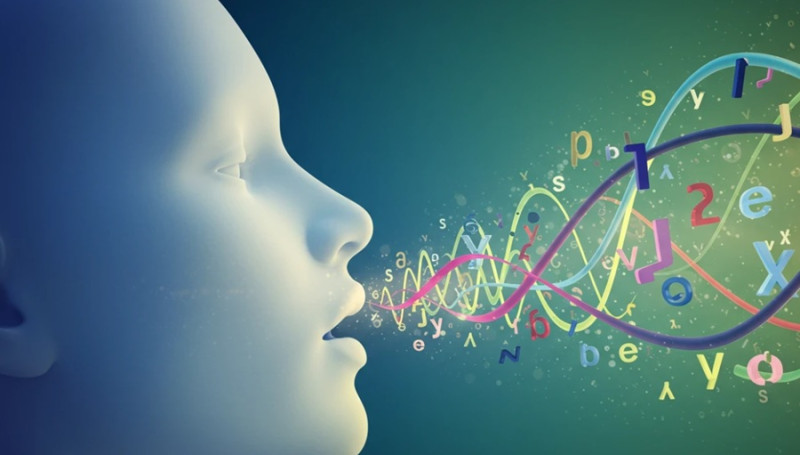
Dyslexia is a general learning disorder that involves difficulty in reading and writing, due to not being able to listen and identify speech sounds and relate them to the written word, and make the necessary sounds to communicate back.
Dyslexia is neurological, and as such, can’t be cured. However, the condition can be adjusted.
The general signs of dyslexia are difficult to recognise before a child attends school.
The only tell-tale sign is that the child may be very slow to pick up speech as an infant.
At pre-school and early primary school, the child will be observed as a slow learner.
The varying severity of dyslexia often makes it very difficult to spot and diagnose, especially by untrained teachers.
The first obvious signs may only appear in the early primary grades, where a child has difficulty in learning new words, reading and repeating nursery rhymes.
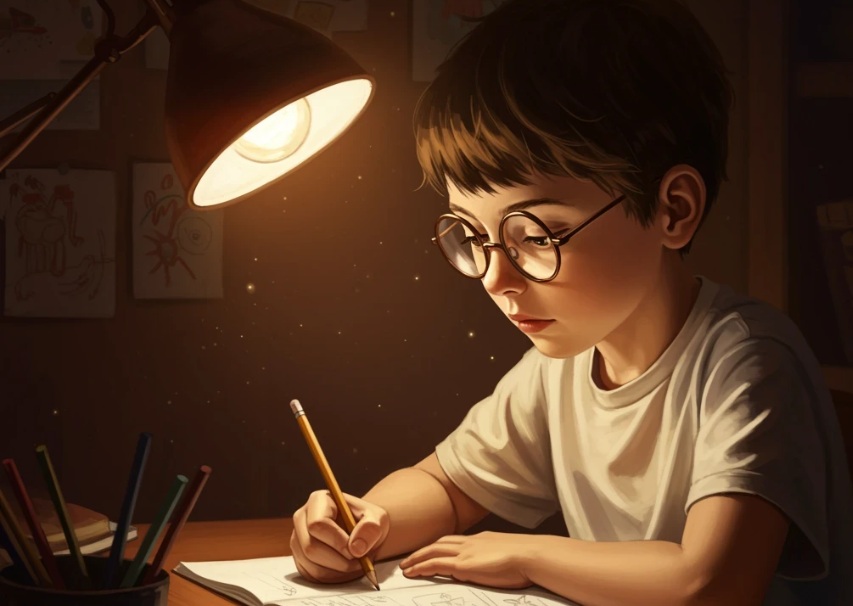
As the child’s education continues, he or she will have trouble understanding and grasping new concepts presented in class.
Thus, in the class situation, a child will start falling behind the rest of the students, where social problems will begin to manifest.
This will lead to loss of self-esteem, lack of confidence, and possible depression at an early age, particularly if the child is not diagnosed. Often, they are targeted by other students for bullying, just because they are different.
During these years, the child will struggle with English comprehension, doing mathematics, solving mathematical problems, and learning a foreign language.
Dyslexia does not correlate with intelligence. This is a mistake many make in assessing these children.
Dyslexia is sometimes associated with other learning disorders, such as dyspraxia, the difficulty of performing coordinated movements, dyscalculia, the difficulty in dealing with numbers, dysgraphia, the difficulty of turning thoughts into the written word, and attention deficit hyperactivity disorder (ADHD), a hyperactive behavioural disorder.
In addition, dyslexia may be associated with prosopagnosia, a condition where a person has difficulties recognising people’s faces.
This will often be accompanied by a form of anomic aphasia, where a person has difficulty remembering names.
Like dyslexia, all the above are neurological disorders. There is a probability that these conditions may accompany dyslexia.
Due to the complexity of these disorders, differing extremities along a spectrum, and differing sets of symptoms, they are extremely difficult to diagnose, outside a clinical situation, where cognitive tests are done.
When dyslexia is associated with other disorders, the child may find great difficulty in learning.
This can lead to social integration problems, where on occasion they withdraw from parents, teachers and friends.
With the addition of ADHD, students may be seen as class disrupters, being anxious and/or aggressive in the classroom.
Without any assistance, these students are likely to eventually just drop out of the education system, with low self-confidence and self-esteem.
This often leads to delinquency.
If students can be diagnosed early, they can be assisted in the early years.
This may require one-to-one speech therapy, and specialists assisting the child in finding the best ways to learn.
The key with dyslexic students is teaching them how to learn alongside others.
This is most desirable as it assists these students in socially integrating with people around them. Being segregated into any “special needs” classes may lead to social isolation in future years.
If dyslexia is not discovered and diagnosed, the child will go through school life continually struggling to understand new work.
Children not knowing and understanding their disability may just go on living with low self-esteem, because they will continue to compare themselves with others through life.
In most cases, this leads to stress, anxiety and depression in life, where they will be incorrectly treated with drugs.
For example, they may be medically treated for depression when the real problem is learning to live with their cognitive disadvantages due to dyslexia. In addition, they may continue through life having trouble with relationships.
Dyslexia is of concern to about one in ten people. Undiagnosed, they may have trouble progressing in any career within regimented organisations, most of which are.
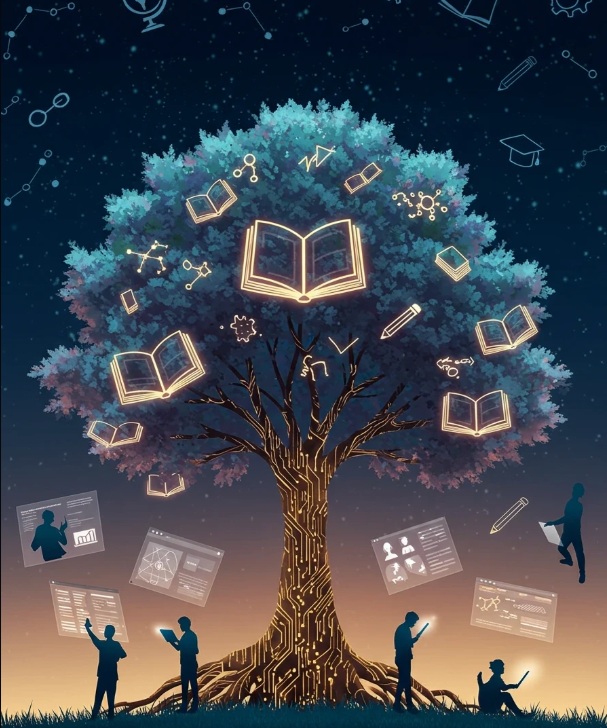
However, if they know how to compensate for their cognitive weakness, chances are they can go on and have a fulfilling career.
There is a strong positive correlation between ADHD and successful entrepreneurs.
Several studies have shown that people with ADHD can become high achievers with the energy, motivation, and give them a propensity towards action.
However, ADHD may also bring impulsiveness, which could lead to recklessness.
Once again, diagnosis is the key, so those who have ADHD know how to cope with the behavioural traits it brings.
One can build new strengths by understanding one's weaknesses.
Dyslexia is a massive challenge for an already overloaded and under-resourced education system.
Putting the responsibility of finding and diagnosing dyslexic people on the teacher is grossly insufficient. Special and compulsory training needs to be incorporated within the teacher training curriculum as a minimum.
To support teachers, there must be a sufficient special education infrastructure behind them. This is made even more difficult, as the types and degrees of the dyslexic grouping require more art than science to assist students in learning how to learn and overcome their weaknesses.
There are no textbook remedies, where solutions are found through deductive problem solving.
This is especially the case when these conditions are mixed at different intensities require creative solutions.
Such an approach will assist many people to live fulfilling lives. This can turn many people who might be dismissed as losers into high achievers.
Now it's time for you to re-examine yourself if you can relate to any of what is said above.
You may have some form of dyslexia, where you can learn how to cope and manage this condition. – May 25, 2026