A CONSTITUTIONAL amendment allowing Melaka to appoint up to seven non-elected state assembly members has been passed, escalating political tensions within the state’s unity government as the Democratic Action Party (DAP) moves towards withdrawing from the administration in protest.
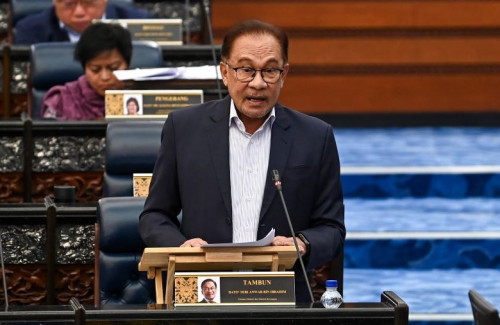
The Melaka State Constitution (Amendment) Bill 2026, tabled by Chief Minister Datuk Seri Utama Ab Rauf Yusoh, was approved through a show of hands, receiving 23 votes in support and five against.
The approval has created a deep divide between the state government and Melaka DAP, which strongly opposed the amendment, arguing that the introduction of appointed legislators risks undermining the democratic mandate of elected representatives while increasing the influence of the executive over the legislative process.
Melaka DAP is expected to announce its withdrawal from the Barisan Nasional-led state unity government, with its representatives set to resign from their government-appointed positions, including state executive councillor and deputy speaker roles.
Before the vote was conducted, Melaka DAP chairman Khoo Poay Tiong had made clear that the party would exit the state administration and surrender its positions in Chief Minister Ab Rauf’s government if the amendment was passed.
Defending the move, Ab Rauf said the amendment would not change the existing composition of the state assembly, which consists of 28 elected representatives, but would provide an avenue for individuals with specialised expertise to contribute directly to legislative affairs.
He said the appointment mechanism was designed to bring professionals with knowledge in areas such as law, economics, education, investment, technology and state development into the assembly to strengthen policy discussions and debates.
“The amendment allows individuals with expertise or experience in specific fields such as law, economy, education, investment, technology, and state development to contribute directly to the policy-making process and debates in the State Legislative Assembly,” Ab Rauf said.
The Chief Minister said the move could also broaden participation by providing opportunities for groups that may have limited representation through elections, including women, youths, Orang Asli communities, minority groups, professionals and representatives from key industries.
He argued that individuals who were unable to secure seats through the electoral process could still play an important role in shaping policies and contributing towards Melaka’s development through their expertise.
Ab Rauf maintained that the presence of technical specialists would improve legislative oversight by allowing the assembly to receive more informed assessments on proposed laws, government programmes and administrative matters.
“In addition, it can improve the quality of debate and checks and balances, where members appointed based on expertise can provide more technical and objective views on bills, policies, and state administration issues, thereby improving the quality of debate in the State Legislative Assembly,” he said.
The Chief Minister pointed out that similar arrangements had already been introduced elsewhere, citing Johor’s constitutional amendment in May 2026 that allows five appointed unelected assembly members to serve in its state legislature.
Detailing the legal framework, Ab Rauf said the amendment consists of three clauses covering the bill’s short title, changes to Article 11 of the Melaka State Constitution, and the creation of new Articles 11A, 11B and 11C to govern the appointment and responsibilities of the unelected members.
Under Article 11A, an appointed assembly member must be nominated through a motion supported by at least seven state assembly members, approved by a simple majority, and formally appointed by the Yang di-Pertua Negeri.
Ab Rauf said all candidates must be residents of Melaka before they can be considered for appointment.
“An appointed member shall vacate their seat in the State Legislative Assembly on the date set by the Speaker after receiving their letter of resignation, or on the date a resolution is passed to remove them via a motion supported by at least seven assembly members and approved by a simple majority, or when the assembly is dissolved, or when their appointment is terminated in the public interest under the new Article 11B, whichever is earlier,” he said. - July 14, 2026