CASH-FLOW problems, delays in paperwork and payments held up by third parties are among the reasons cited by lawyers in cases involving alleged misuse of clients’ funds.
The Commercial Crime Investigation Department (CCID) recorded 181 cases involving lawyers between 2023 and July this year, with losses amounting to more than RM192 million.
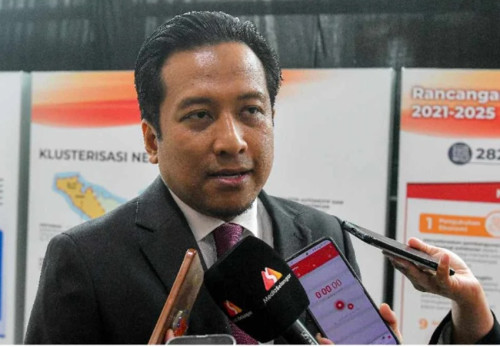
CCID director Datuk Rusdi Mohd Isa said police would not simply rely on explanations given by those under investigation, but would check them against the facts and evidence obtained.
He said investigations would proceed if there were indications that client funds had been misused or that there was an element of dishonesty.
In some cases, money entrusted to lawyers was allegedly used for personal expenses, as business capital or to purchase assets.
Rusdi said property-related matters made up most of the cases, including house and land purchases as well as ownership transfers involving money kept in lawyers’ client accounts.
There were also cases involving estate administration, commercial transactions, bank financing, proceeds from property sales and settlement money that should have been handed over to clients or other parties.
Among the practices uncovered were delays in returning clients’ money, using the funds for purposes unrelated to the original transaction without permission and transferring money from client accounts to other accounts.
“Most of the cases recorded so far involve the abuse of the position and trust given to the individual.
“We will not rule out the involvement of other parties if investigations show there was collusion or a conspiracy to divert clients’ money,” he told Sinar Harian at the CCID headquarters in Bukit Aman recently.
Rusdi said police had also encountered cases where clients were allegedly threatened.
He said lawyers suspected of misusing funds would sometimes stop meeting clients, ignore calls or issue dishonoured cheques.
Some would tell clients that the money had not yet been received or that certain documents were still incomplete, while continuing to give assurances that the matter would be settled.
“In some cases, this went on until the law firm eventually closed.
“The client would then lodge a police report.
“We also cannot rule out the possibility of suspects leaving the country after realising that they were being traced by police,” he said.
Rusdi stressed that a person’s profession would not affect the way police handled an investigation.
He said the CCID would also work with the Malaysian Bar, particularly where cases involved possible professional misconduct.
Every report, he said, would be examined to determine whether a criminal offence had occurred and to trace where the money had gone.
Cases involving professional misconduct could subsequently be referred to the Malaysian Bar for action under the relevant professional rules.
34 charged in court
Rusdi said 43 people had been arrested to assist investigations under Section 409 of the Penal Code for criminal breach of trust between 2023 and July this year.
Of those, 34 had since been charged in court.
Although the number of cases was relatively small compared with other commercial crime cases, Rusdi said the losses could be substantial because the money involved often belonged to clients and was held in trust for property deals, estates, commercial transactions and settlement payments.
He said the CCID would continue working with relevant parties to pursue cases involving the misuse of clients’ money.
Rusdi also advised members of the public to engage registered lawyers and check their professional standing before entrusting them with money.
Clients should keep track of their transactions, ask for receipts and relevant documents for payments made and retain records of their dealings with the lawyer.
“If there is an unreasonable delay or something appears suspicious, ask for an explanation immediately and lodge a report with the authorities if there are signs of misappropriation or criminal breach of trust,” he said.
Rusdi said the police viewed such cases seriously as they involved money entrusted by clients and could ultimately erode confidence in the legal profession. – August 25, 2026