


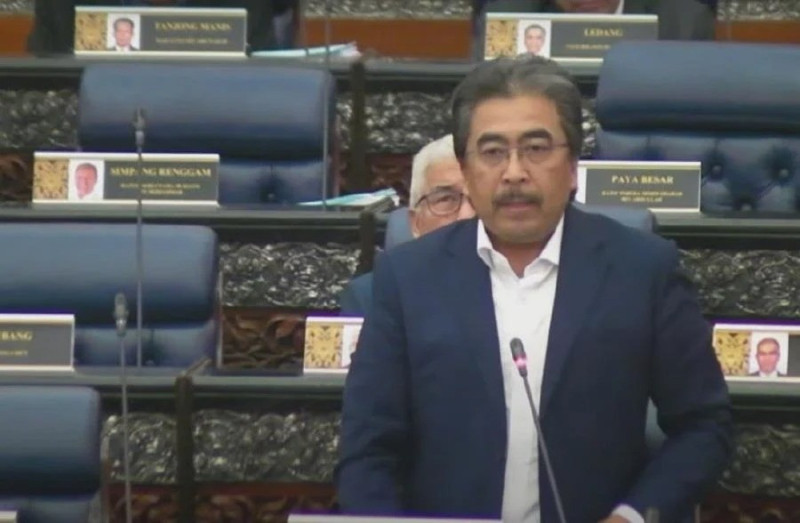
THE Government will push foreign data centre investors to share technology with local universities and bear the full cost of their electricity needs, as the government seeks to ensure the sector delivers lasting benefits to the country rather than primarily serving overseas markets.
Investment, Trade and Industry (MITI) Minister Datuk Seri Johari Abdul Ghani said investors must help Malaysians develop the expertise to build their own technologies, while data centres’ electricity supplies must be separated from the existing system serving households and other industries to prevent cross-subsidisation.
“We do not want them to build data centres here without considering our country’s needs, instead prioritising customers overseas.
“We cannot allow that to happen. We must ensure they work with local universities and develop technology so that, one day, our own people will be capable of developing it,” he said in the Dewan Rakyat today.
Johari was responding to Rodziah Ismail (PH-Ampang), who asked how the government measured the net value generated by data centres after accounting for their consumption of electricity, water and land, infrastructure costs, incentives, employment, local content and the opportunity cost of national resources.
The question came amid RM385.7 billion in data centre investments approved since 2021.
Johari said major technology investors, including Amazon Web Services (AWS), Microsoft, Google, Oracle, ByteDance and Alibaba, brought capabilities in cloud computing, artificial intelligence (AI), generative AI, agentic AI, data storage, cybersecurity and e-commerce.
He said Malaysia needed to ensure local talent gained access to these technologies instead of remaining dependent on foreign operators.
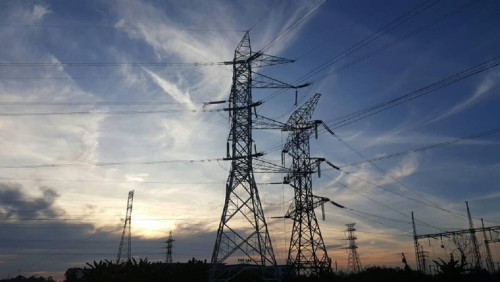
On electricity, Johari said he had changed the policy to distinguish data centres’ power requirements from supplies provided by Tenaga Nasional Bhd (TNB) to households and industries unrelated to the sector.
The move was intended to ensure data centres did not benefit from subsidies and did not place additional pressure on electricity capacity reserved for existing users.
He said TNB had a capacity of 28,000 megawatts, while industrial demand could range between 22,000MW and 26,000MW. The remaining capacity served as a reserve margin for industries, households and other economic activities.
Data centres’ power requirements must therefore be provided separately, with oversight involving the Energy Commission, the Investment, Trade and Industry Ministry and the Finance Ministry.
“We want this to be among the conditions negotiated when investors submit their applications. Malaysia should not negotiate with investors if they do not agree to the conditions set,” he said.
Johari added that electricity costs for data centres should reflect market prices, including the market price of gas used for power generation.
“We want to ensure that electricity supplied to data centres does not contain any subsidy element,” he said. - October 15, 2026













.jpeg)
