KOTA KINABALU – Today's proclamation of emergency has been met with mixed reaction among Sabah experts.
Political activist Zainnal Ajamain told The Vibes that the Agong's consent on the proclamation of emergency could be illegal if the federal cabinet has not received Parliament's approval.
“The cabinet is answerable to Parliament, which means the Parliament's views must be sought.
“Only after Parliament approval can the cabinet seek consent from the Agong. It may be illegal if the cabinet did not go through Parliament.”
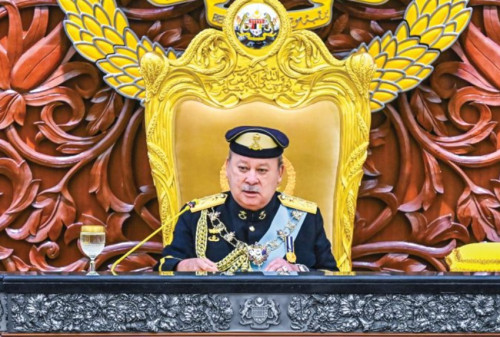
In a statement issued by Istana Negara today, Yang di-Pertuan Agong Al-Sultan Abdullah Ri'ayatuddin Al-Mustafa Billah Shah consented to the emergency proposed by Prime Minister Tan Sri Muhyiddin Yassin’s cabinet.
Universiti Malaysia Sabah political analyst Lee Kuok Tiung, however, has a different view on the matter, saying it is within the Agong’s power to consent to the emergency without the cabinet getting Parliament's approval.
“The Agong has already consulted the Conference of Rulers. It is within the Agong's power.
“There was no need to consult Parliament, as stated under Article 150 (1) (of the federal constitution), which states the Agong may issue a proclamation of emergency when he is satisfied that a grave emergency exists.”
Encroachment of powers
Under the emergency rule, all executive powers of the states of Sabah and Sarawak will now go to the federal government.
Zainnal said Sabah could see itself back at square one concerning efforts to restore state boundaries and encroachment in other areas by the federal government since the first emergency rule in 1969.
“During the racial riots, the federal government started taking our oil and gas... this is what happens when you simply declare an emergency.”
He added that the state no longer has the clout to argue for oil royalties or demand the return of the continental shelf.
During the racial riots, Sabah's boundaries were reduced from above the continental shelf down to three-nautical miles, with the state losing its authority over marine resources and other natural resources underneath the seabed.
Meanwhile, Lee believes the government should not have declared a state of emergency without making more effort to help Malaysians weather the impacts.
“For instance, it is not clear whether there will be a moratorium 2.0 or cash aid. So, how will people sustain themselves throughout this emergency?
“The people have been suffering throughout 2020. Businesses are closing and may still need to settle their loans and commitments.”
Although all state powers now come under federal purview, Lee said the encroachment of state rights will not occur as it had in 1969 as the proclamation is done in view of the health crisis and natural disasters. – The Vibes, January 12, 2021