![[UPDATED] M’sian med students, doctors share what it’s like to get Covid-19 jab](https://media.thevibes.com/images/uploads/covers/2021/Jan_2021/_large/280121-Mohammed_Ruslan_vaccination_card-Azim_Idris.jpg)

KUALA LUMPUR – While the country awaits the start of its Covid-19 immunisation programme in March, more and more Malaysians living abroad are sharing their experience of being among the first in the world to be inoculated with different types of coronavirus vaccines.
Those who reached out to The Vibes are either medical students or full-time doctors in Europe, mainly the United Kingdom.
Ling Ann, 21, a medical student at University of Nottingham, said she recently received the AstraZeneca jab, also known as the Oxford vaccine.
“All healthcare staff and front-line workers are being vaccinated now, so since I’m ‘working’ in the National Health Service (NHS) as part of my medical training, I am eligible for the vaccine.”
She said the injection was given free of charge, and all that needed to be done was to make a booking and turn up at the health centre on the arranged date.
She said a second jab has been scheduled for 11 weeks after the first.
"Normally, the recommended gap between jabs is three weeks, but because the UK government wants to prioritise everyone receiving their first jab, this gap has been extended to 11 weeks.
“I personally did not experience any side effects, although many of my colleagues who received the vaccine around the same time reported common symptoms, like fever and chills.”

Athirah Azmi, a fourth-year medical student in the UK, said she was prioritised for vaccination as all of her classes are based at a hospital, requiring her to interact with patients and carry out aerosol-generating procedures.
“Due to the high-risk nature of the course, the medical school arranged for all clinical students to get their vaccines for free.”
The 23-year-old said she received her first dose of the Pfizer vaccine two weeks ago, and is waiting to get her second.
“The UK changed the guidelines from a gap of four weeks to 10 to 12 weeks in an attempt to vaccinate as many people as possible.”
She said the only side effect she experienced after being administered the shot was a “really sore and stiff arm”.
“It was worse on the day after the injection, but the pain subsided after three days. I also had some chills, but they lasted only a day. These side effects are all to be expected, and were minor.”
Despite being vaccinated, she said, it is important to continue wearing a mask and maintaining social distancing.
She advised others to do the same.
“You can still contract the virus and potentially spread it to others.”
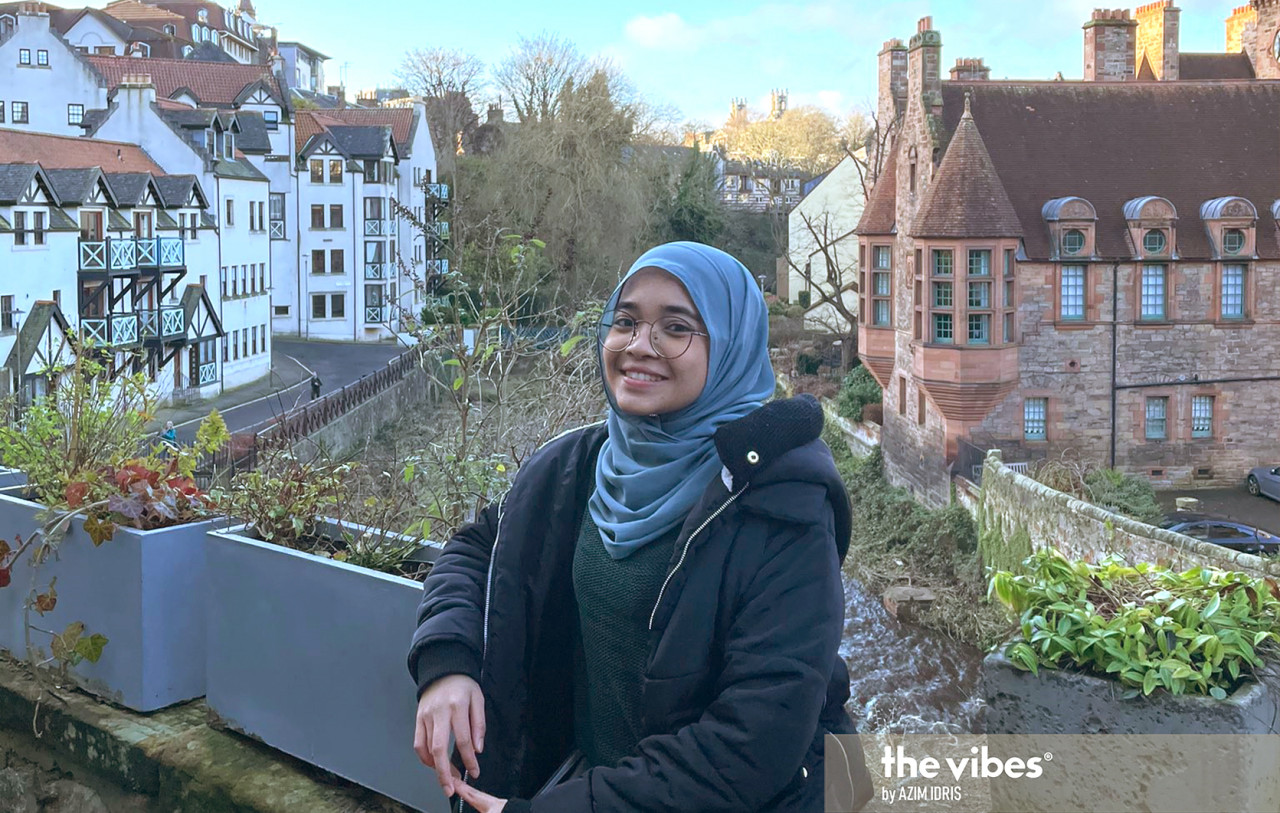
Dr Aina S. said she, too, received the Pfizer vaccine, as she is a health worker.
The 27-year-old is due for a second jab this week, two weeks after getting the first.
“My arm was sore after the jab. (It) lasted a little over a day.
“I know some had flu symptoms after the first (jab), and the second one is ‘famous’ for its side effects, such as muscle aches, fever and bad flu symptoms. But it is not as bad as Covid-19, obviously.”
While others reported mild symptoms, Zulafifi Abd Rahman, a hospital pharmacist at Sunderland Royal Hospital in the UK, said he had to call in sick a day after he received the jab on Tuesday (January 26).
He said he felt chills despite being “fully wrapped up”, with body aches and fatigue after being injected with the AstraZeneca-Oxford vaccine.
“The injection site was also sore. But the next day, I felt totally fine, as if I was never unwell on the day before. Only my arm was still sore, but that was gone in another couple of days,” he said.
“I would advise those who can get the vaccine to do so as soon as possible. The side effects are minor, expected, and a manageable inconvenience, and vaccination leads to the greater good in the long run.”
Zulafifi added that if people have concerns about the safety of the vaccines, they should seek information from reputable sources and experts in the field.
“I referred to the British Islamic Medical Association for advice on the permissibility of the Covid-19 vaccine (in Islam), which is available for reading on its website,” he said, adding that his second dose is due in early to mid-April.
Dr Mohammed Rafeeq Ruslan, who is attached to NHS, said he received the Oxford vaccine recently, and will get the second dose within 12 weeks.
He said he, too, got the jab for free, and experienced headache, lethargy and muscle aches following the vaccination.
“(I had a) low-grade fever and slight rigors, but nothing concerning. (This is a) normal reaction, as your body is undergoing seroconversion.”
However, he said, some of his colleagues had no such symptoms, with several reporting only soreness at the injection site. – The Vibes, January 30, 2021