KOTA KINABALU – New faces have taken over Sabah Umno as it embarks on a new future and makes amends for the its controversial past in the state.
The entry of the Malay-based party from Peninsular Malaysia into Sabah 30 years ago was a contentious one, and its existence almost ended here after the general election of 2018.
Just months after losing power in Sabah, most state Umno leaders abandoned the party, leaving only a handful behind – many of whom are still untested at the ballot box.
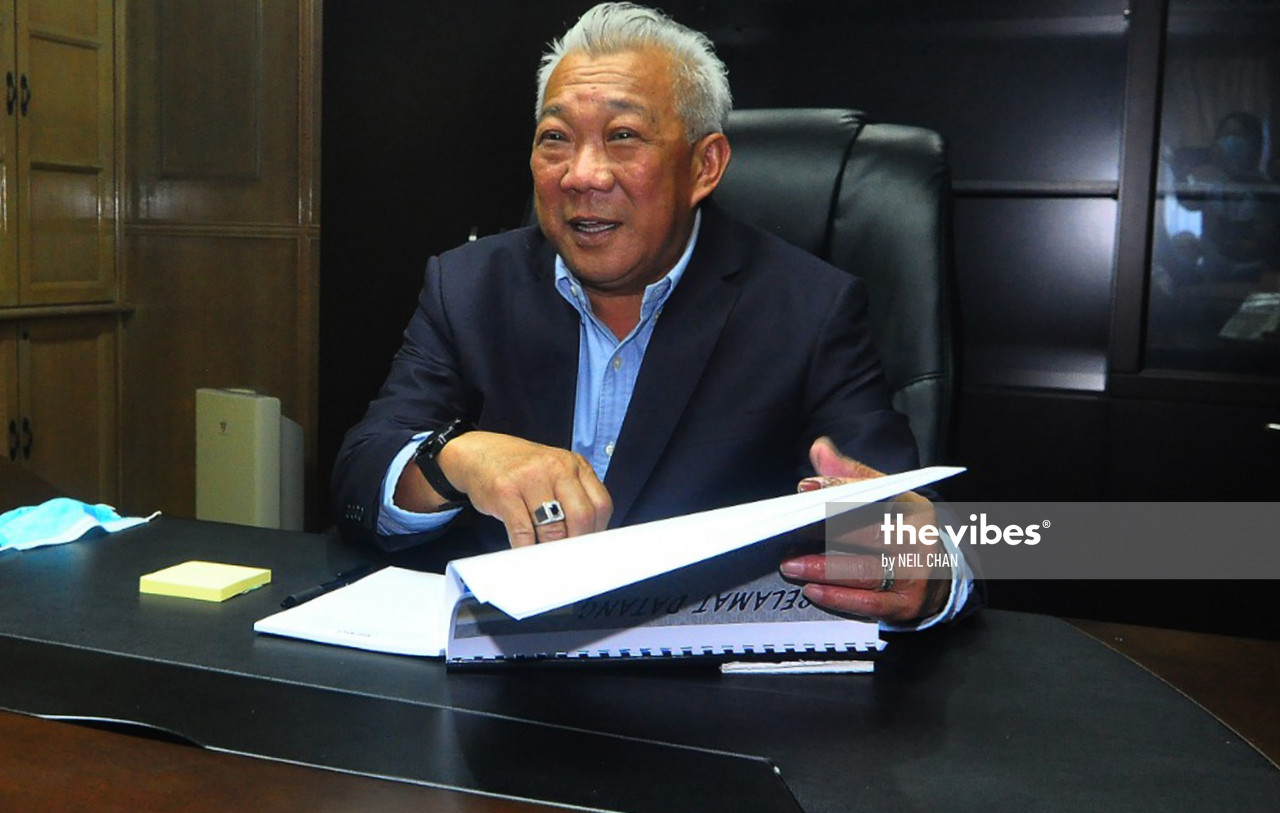
Many were sceptical when controversial MP Datuk Seri Bung Moktar Radin took the Sabah Umno helm.
But, the outspoken leader, who is Kinabatangan MP, had already led the party to small election victories, including assisting Sabah Bersatu and fellow components of Gabungan Rakyat Sabah to win the state election in September last year.
The biggest test, however, is yet to come – winning big in the 15th general election.
Looking back at the very beginning, the party’s entry into Sabah in 1990 was partly to remove Parti Bersatu Sabah from power, and partly to spark development.
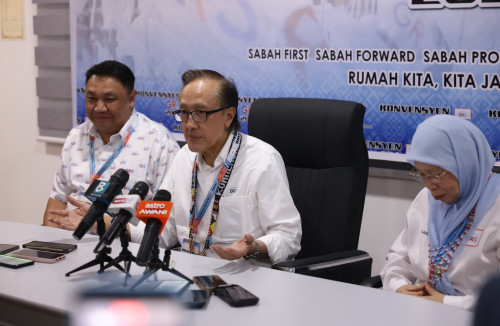
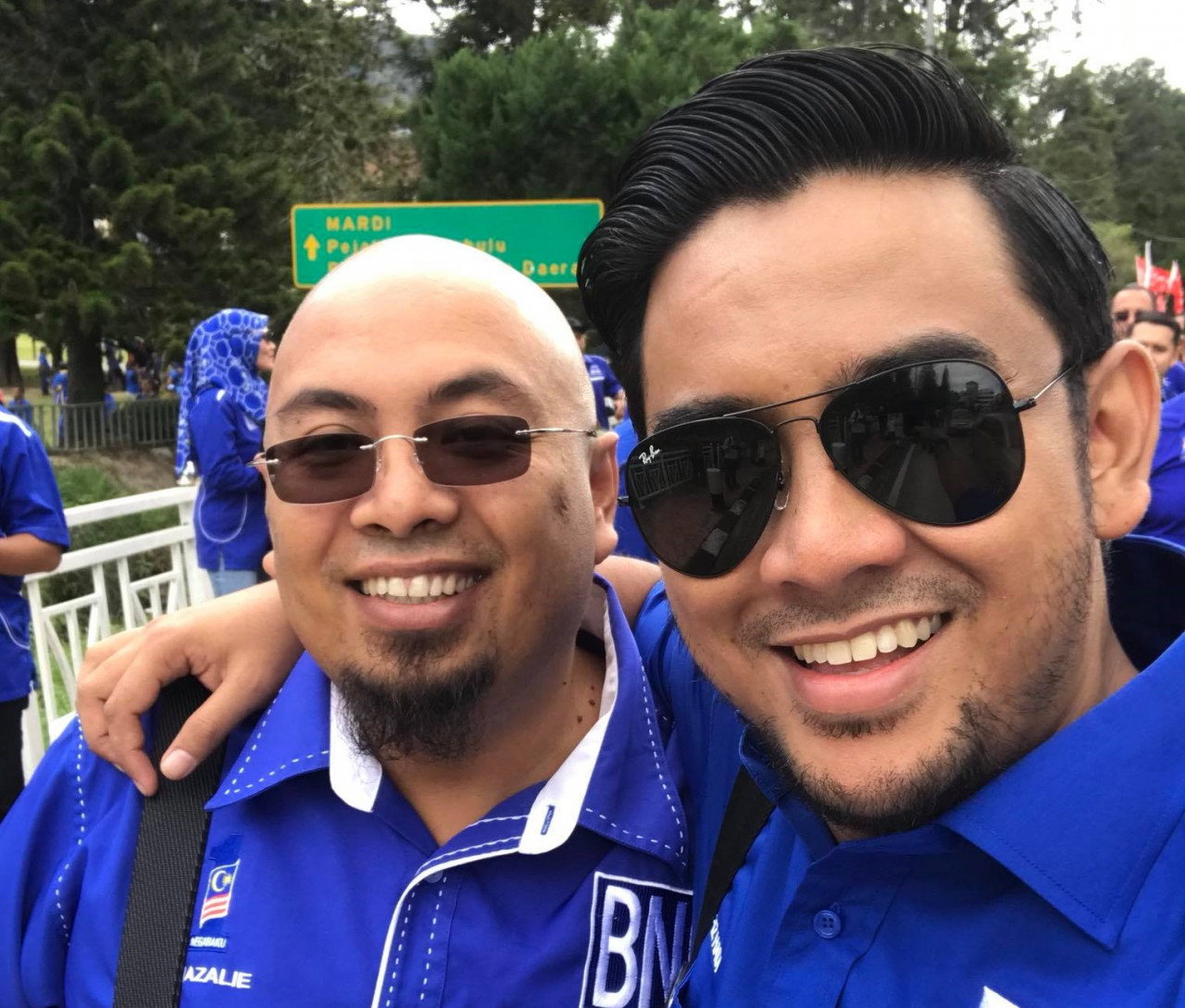
Sabah Umno communications director Ghazalie Ansing recalled being a 7-year-old boy living in a timber camp in Tawau with no proper road access, and water and electricity supply at the time.
Then, Kota Kinabalu was 20 years behind Kuala Lumpur in terms of facilities and infrastructure, he said.
“But, only two years after Barisan Nasional (BN) took over the state, roads, and water and electricity supply began to come in,” he said, telling The Vibes that although the roads are not yet perfect, progress in development is still tangible.
Indeed, Sabah Umno, the dominant party in BN, has accelerated development in the state.
Ghazalie said that the only thing lacking in Sabah compared to Kuala Lumpur presently is that it has yet to have its own urban train service like in the Klang Valley.
Nonetheless, he said, Bung Moktar has already proposed the creation of Sabah’s own skytrain services, and the expansion of the train service from Kudat in the northernmost part of Sabah, to Tawau, the southeasternmost district.
As former Berjaya leader Tan Sri Harris Salleh, who was chief minister from 1976 to 1985, is known as the father of Sabah’s development, it is clear that it was during BN’s reign that Sabah came closer to achieving modern state status.
Perhaps, much of the credit can go to former Sabah Umno head Tan Sri Musa Aman, who was chief minister from 2003 to 2018.
However, despite the rapid development experienced, resentment grew over the loss of state rights and allegations of corruption, self-enriching politicians, and leaders who were hard to access, leading to the party’s eventual fall from power in 2018.
For some, Sabah Umno is no longer as it was when it first set foot in the state in the 1990s.
Rise of new leaders
For Ghazalie, not all was lost when Sabah Umno went through a devastating party crisis at the end of 2018.
For instance, the departure of many key party leaders to Bersatu between December 2018 and April 2019 saw the ascent of new party leaders.
The former party leadership had left Sabah Umno with the ultimate gift of autonomy, which gives present-day chief Bung Moktar the power to decide for the party in many areas at the state level, including the choosing of election candidates.
Ghazalie said the previous party leaders’ legacy of achievements has opened up new possibilities for the party, including the setting of new targets and goals.
For example, much of the current oil and gas infrastructure was put in place under Musa, and with Sabah Umno now also fighting for the state’s rights as per the Malaysia Agreement 1963, it is just a matter of fulfilling pending gaps before all of its rights are realised.
“We need to do this one step at a time. It can’t be overnight. Right now, all of the revenue from Sabah is collected by Putrajaya. If all our plans to develop Sabah’s oil and gas sector reach their full potential, who knows, there would no longer be a need for the federal government to collect state revenue.
“Instead, the state can collect its own revenue, and give what is due to the federal government while we hold on to the rest. We can also maybe sell our own resources to gas companies,” said Ghazalie.
He stressed, however, that the most important thing is that Sabah must remain politically aligned with Putrajaya.
He said all these accomplishments would not be possible if BN and Umno were not in power in the state for the last 30 years.
Political awareness, intellectualism widespread
The 30-year history of Sabah Umno and BN also saw many Sabahans achieve a high level of political awareness.
Ghazalie noted that before BN was in power in Sabah, only a small number of individuals knew their political leaders or elected representatives.
“But this has all changed since. Not only do the elders now know who their elected reps and grassroots leaders are, even the youth have some level of political awareness,” he said.
Another legacy left by Umno is the increased number of intellectuals in Sabah.
“It used to be only the rich or the really smart who were able to go to the universities and become graduates.
“Today, you can go to any kampung or residential area and find that not less than half of the people in that community are graduates,” said Ghazalie, adding that the number of skilled or trained individuals has also risen.
Looking forward, the story of Umno will never die, and will continue to exist in Sabah for a very long time, said Ghazalie.
“Umno was born based on the aspiration of Malaysians who want development and their rights protected.
“Sabah Umno will continue to survive based on these aspirations,” he said. – The Vibes, February 18, 2021







.jpeg)