KUALA LUMPUR – In their renewed bid to reclaim their ancestral land, the Semelai Orang Asli community of Kg Lubuk Perah kicked off their legal argument with the tale of a tree.
Known as the pokok perah, the tree was the namesake of their village.
“In our area, there was a pokok perah that had many fruits, but the fruits that fell to the ground did not grow into trees,” said the statement of claim filed by the plaintiffs at the Temerloh High Court on February 5.
“That pokok perah was the only tree that grew in the area.”
The plaintiffs in this case are Hajemie Din, the village head of Kg Lubuk Perah, along with Manap Sayang and Rusman Abu.
They are suing Sri Jengka Sdn Bhd, Elite Agriculture Sdn Bhd, the Pahang Land Office director, the Pahang government, the federal government, and the director-general of the state Orang Asli Development Department (Jakoa).
Customary land disputes involving the Orang Asli, particularly intrusion and encroachment on their ancestral land, are common.
It is a long-standing issue arising from their land rights which are often ignored, despite landmark court rulings recognising the legality of their ancestral land.
The Semelai tribe have been living in Kg Lubuk Perah and the surrounding areas, estimated to be 2,214.5ha, since the time of their ancestors.
They are claiming that the whole plot is their customary land, owned and inhabited by their ancestors and inherited by the plaintiffs until today.
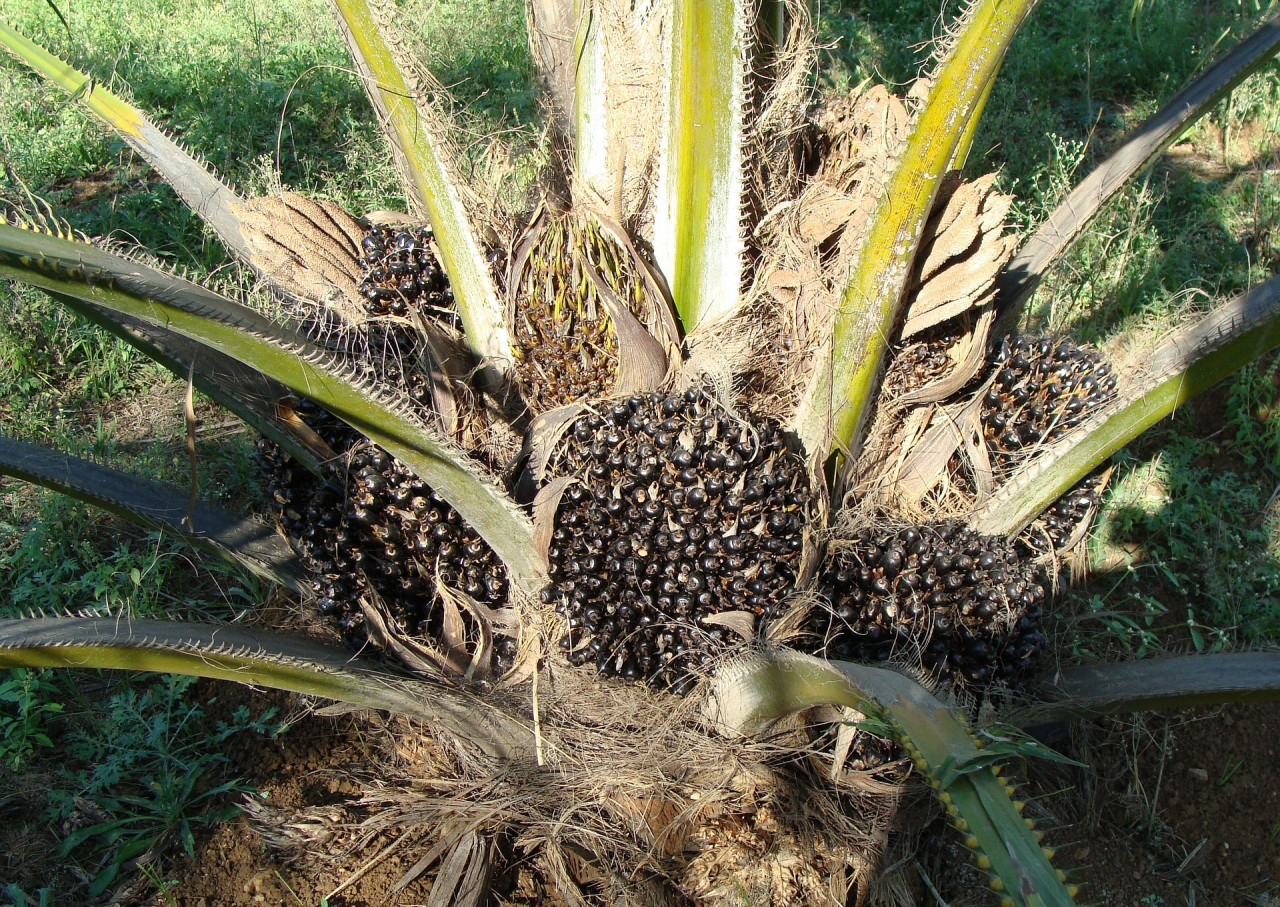
Earlier this month, Sri Jengka and Elite Agriculture received the green light from the court to clear the contentious land, earmarked for oil palm plantation.
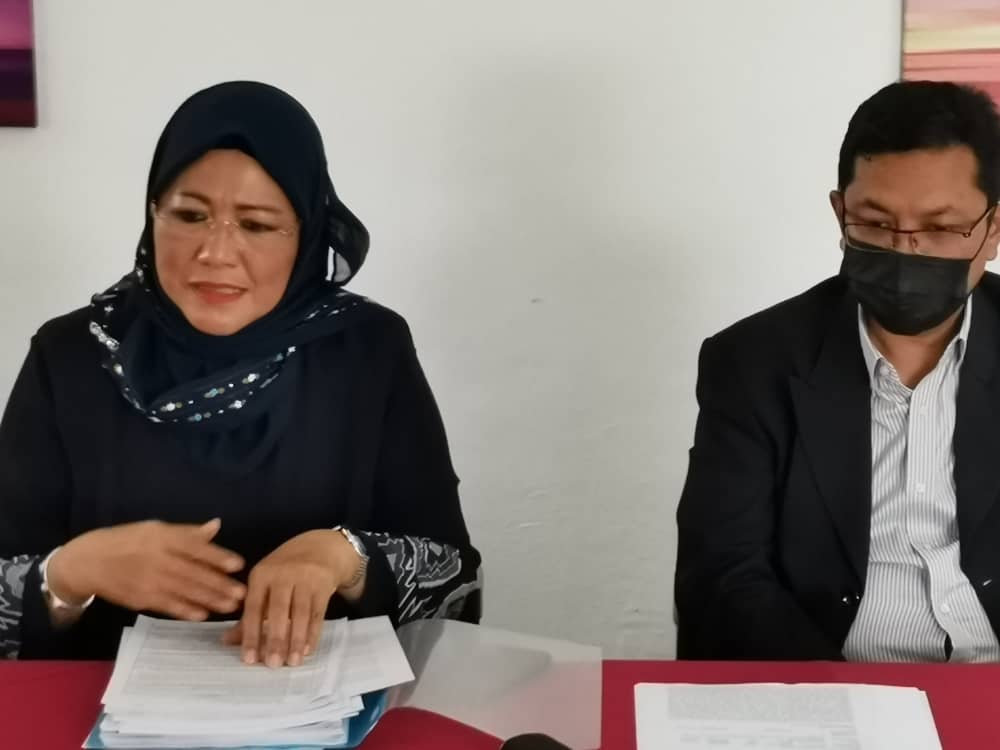
Datuk Rosni Zahari, director of Warisan Jengka, which owns Sri Jengka, told a press conference yesterday that when the company received rights to the land, no encumbrances relating to the Orang Asli’s ancestral rights existed.
Sri Jengka claimed that it would not have gotten the initial rights to the land if any other rights existed previously.
Such an argument, however, may not go down well with the Semelai tribe.
“We have continuously lived in the jungle and the ancestral lands,” said the statement of claim.
“The Semelai have lived there for at least six generations, more than a century ago.”
Existing natural demarcations, such as forest walls, hills, rivers, a lake, and trails, were also cited as the many “markers” of their ancestral land.
But during the Communist emergency from 1948 to 1960, those in Kg Lubuk Perah were forced to relocate to other areas.
However, a number of residents were not deterred by the authorities and communists, returning intermittently to farm and forage at their village.
“This shows that despite the relocation, their original home is Kg Lubuk Perah, and it was left in totality,” said the statement.
“The Orang Asli ancestral land is not only a source of income, but is also the very essence of the Semelai tribe in Kg Lubuk Perah.”
Now, in 2021, the Semelai’s cultural practices will live on.
“According to the beliefs of the Semelai, for farming, a special ritual called cerca must be conducted by a shaman, where the land is marked for three days.
“The purpose of the ritual is to receive guidance from ancestral spirits, whether or not the land can be used,” said the statement.
Following their cultural rules, non-Semelai people are not allowed to enter and use the tribe’s lands without the permission of the village head, as it is their belief that ancestors watch over the area.
They emphasised that such land, which is currently in dispute, is their source of income and a sacred place.
“Based on Semelai traditions, there are several areas considered prohibited, where activities, such as cutting trees or farming, cannot be done,” the statement added.
The Semelai believe that spirit custodians exist in these prohibited areas, and if they are disturbed, it will result in catastrophe for the tribe.
Despite these historical and spiritual arguments aimed at protecting the Semelai’s right to the land, they do not seem to have strong legal or official arguments relating to their rights.
The plaintiffs contended that they were visited by the Health Ministry and Jakoa, signifying the recognition of their ancestral rights.
They also made a reference to a phone call by former Pahang menteri besar Datuk Seri Adnan Yaakob, who promised to return the ancestral land to the Semelai.
But for now, as stated by Warisan Jengka’s director, these rights are non-existent under the law of the land.
This is why Hajemie, Manap and Rusman are suing the Pahang government, the state Land Office director, the federal government, and the director-general of the state Jakoa.
The plaintiffs are basically saying these authorities failed to gazette the disputed land as Orang Asli reserve land.
They are also seeking an order from the court that the rights given to Sri Jengka and Elite Agriculture be declared null and void, thus preventing them from trespassing.
In 2013, Sri Jengka received rights to the land, and later appointed Elite Agriculture to clear the area for oil palm cultivation.
However, due to obstructions by the residents of Kg Lubuk Perah, located more than 1km away, Elite Agriculture initiated a suit in the Temerloh High Court to enforce their rights.
On February 16, the company received assent from the court to re-enter the land.
But given that Hajemie’s suit filed on February 5 is still in play, the matter can be considered as unsettled. – The Vibes, February 26, 2021













.jpeg)