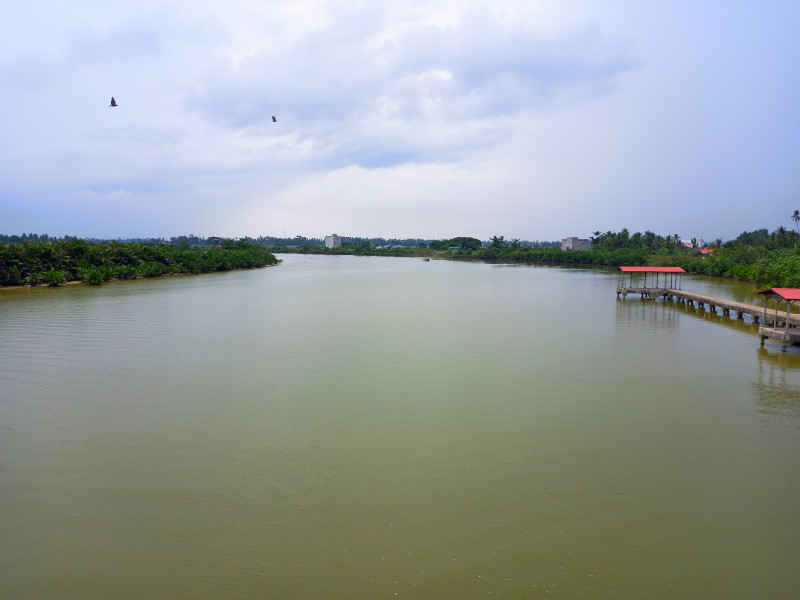

GEORGE TOWN – The Kedah menteri besar’s threat to divert water from Sg Muda away from Penang, reducing the river to mud for the latter state, has peeved not just Penangites, but Kedahans, too.
Kedah villagers living near the stretch of the river that forms a natural border between the two states said they do not want tensions to drag on, and warned that impeding Sg Muda’s flow will adversely affect farmers in Kedah who have fields downstream.
Residents recently interviewed by The Vibes, however, expressed support for Muhammad Sanusi Md Nor’s demand for Penang to pay for the raw water it extracts from Sg Muda, even though Penang is doing this on its own side of the border.
The menteri besar is right to seek payment, they said, but stressed that Sanusi needs to change his approach by expressing himself in a more polite way if he wants to succeed in his “mission”.
They pointed out that padi farmers along the river on the Kedah side need water from Sg Muda for irrigation, and so, any move by the state government to block the river’s flow upstream will affect this group.
The villagers were referring to Sanusi’s statement that his administration will build 14 giant tanks along Sg Muda to divert supply to Kedah, reducing water downstream and leaving Penang with “mud”.
On the other hand, Penang contends that it has riparian rights to the river, the largest in the northern region, as it is extracting water only from its own side of Sg Muda.
About 80% of Penang’s drinking water is from the river, particularly from the Lahar Tiang raw water intake plant.
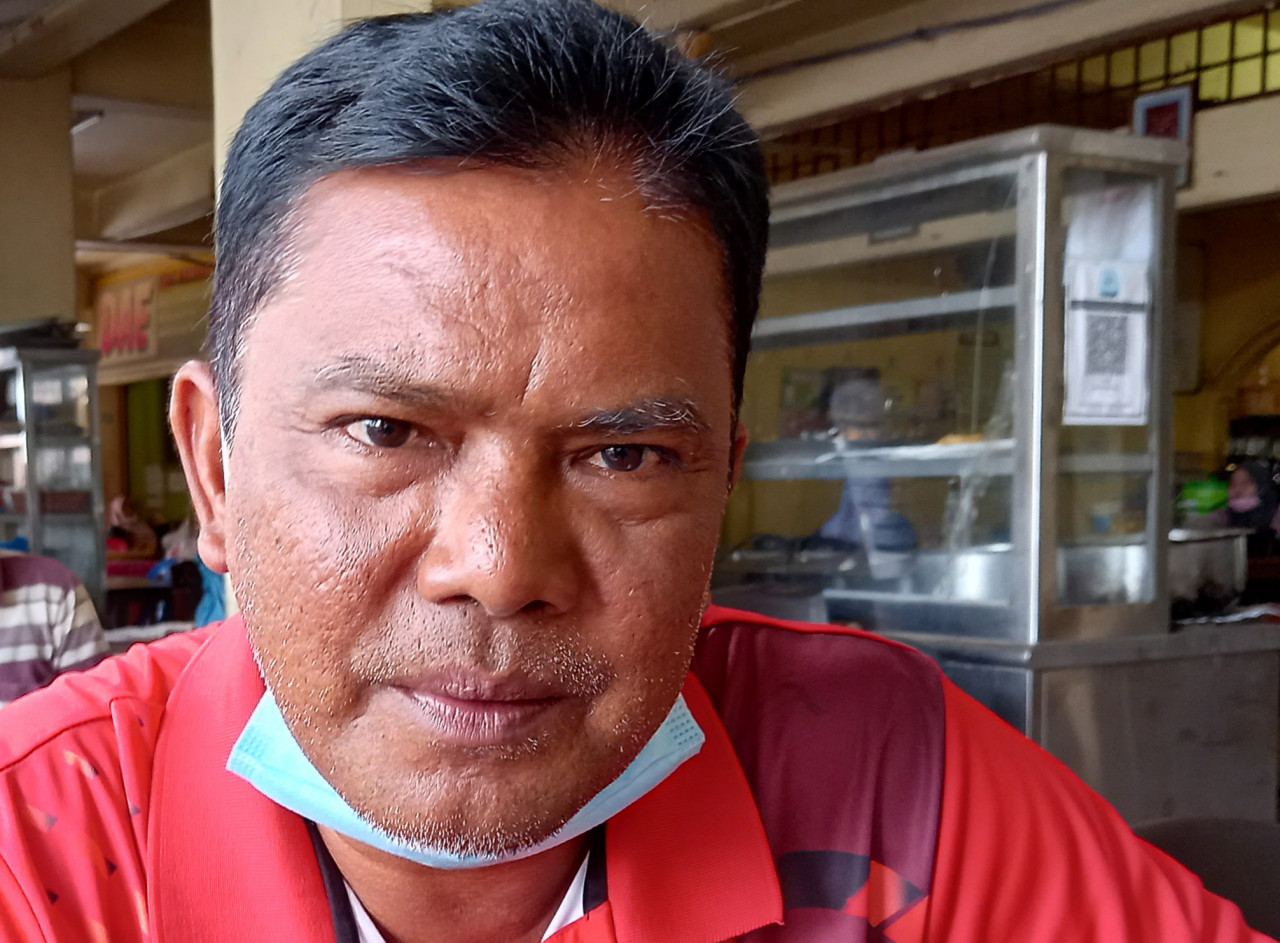
Padi farmer Ku Sharil Ku Desa, from Kota Kuala Muda, expressed support for the menteri besar, saying Sanusi has the right to demand payment as Sg Muda, which originates in Kedah’s Ulu Muda forest, has helped Penang become a developed state.
The river’s water has indirectly made Penang wealthier, said the 50-year-old.
“We are good neighbours, and we share many things in common.
“The majority of Kedahans have relatives living in Penang from historical times.
“I feel that Penang, as a state that has progressed, should share its wealth to help in Kedah’s progress.
“We cannot be jealous of each other’s progress as we are one nation.”
He expressed hope that Sanusi will agree to discuss the conflict in a win-win situation.
“As stakeholders, both parties should find an amicable solution once and for all, as the matter has dragged on for a long time.”
Ku Sharil’s family have been involved in padi farming over three generations, owning 5ha of fields in Kota Kuala Muda.
Penang and Kedah cannot be “separated” as both states are geographically “twins”, he said.
Residents of both states are impacted whenever there is a natural disaster or other unforeseen incident in the region, he said, adding that state leaders should settle the water conflict quietly instead of being engaged in a “media war”, which is not helping to resolve the issue in any way.
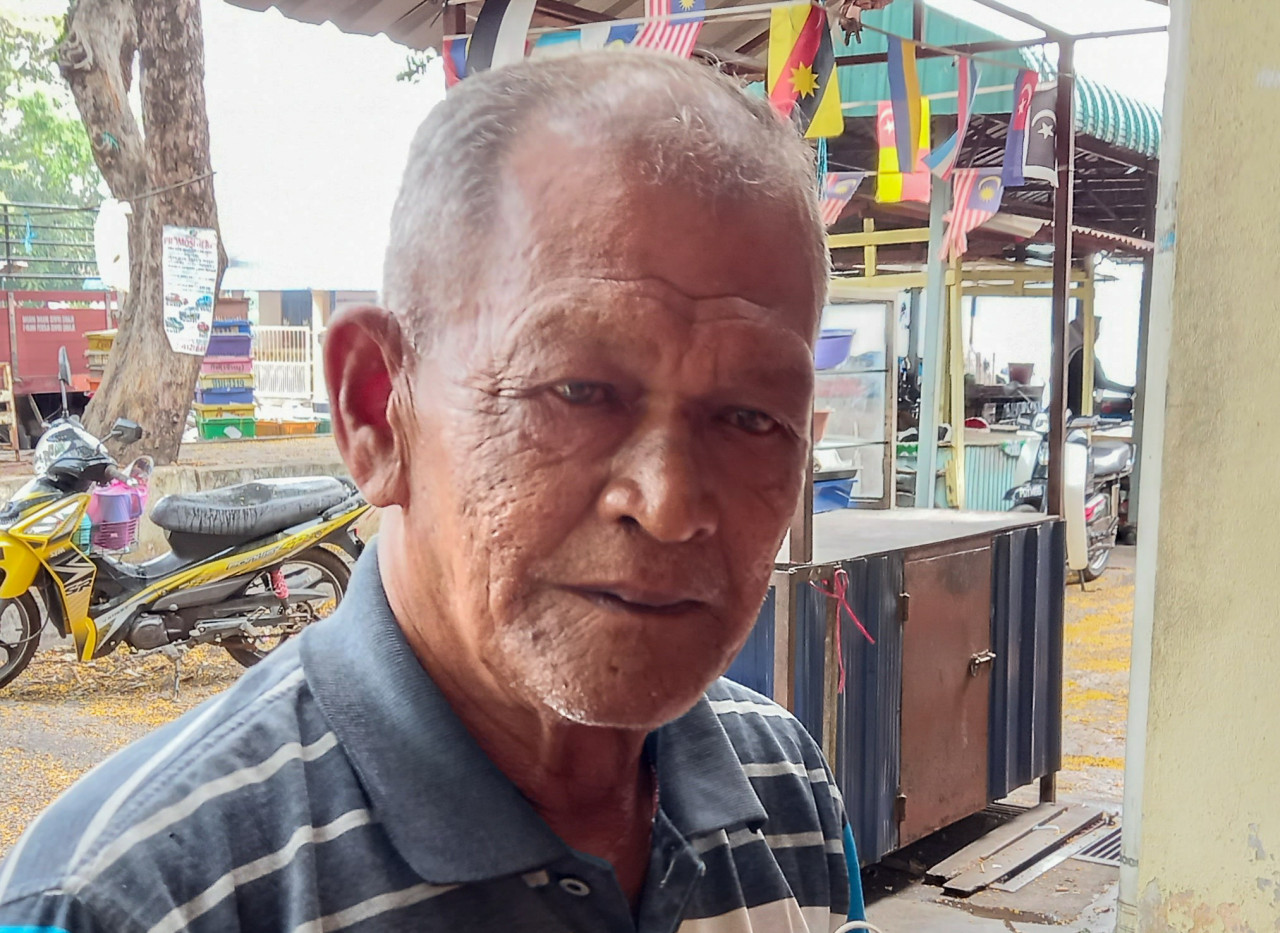
Ishak Hashim, 68, from Sg Derhaka in Kota Kuala Muda, said he, too, supports Sanusi, as preserving the catchment area upstream, where the river’s source lies, involves a huge expenditure.
The menteri besar’s demand is not to line his own pockets, but for the sake of the people, who will benefit from the payment for raw water, said the retired soldier.
“All of the rakyat in Kedah will support the menteri besar in his demand for payment for raw water, as Penang can afford to pay for the upkeep of the Ulu Muda catchment area.
“There has to be mutual understanding and agreement on sharing raw water. It has to continue as long as the world exists, and there should be a permanent solution. The conflict should not arise again.”
Thousands of Kedah families threatened
Zainal Saidin, a 58-year-old from Kota Kuala Muda, said his family have been farming for decades.
He warned that there are several thousand families downstream involved in padi farming, and who depend on Sg Muda for irrigation.
“I cannot understand how the Kedah government would want to block the water upstream, as thousands of families downstream depend on Sg Muda. It does not make sense.
“I expect the menteri besar to resolve the matter amicably. The conflict has to come to an end soon. It has become too much of a controversy, and has hurt the people.”
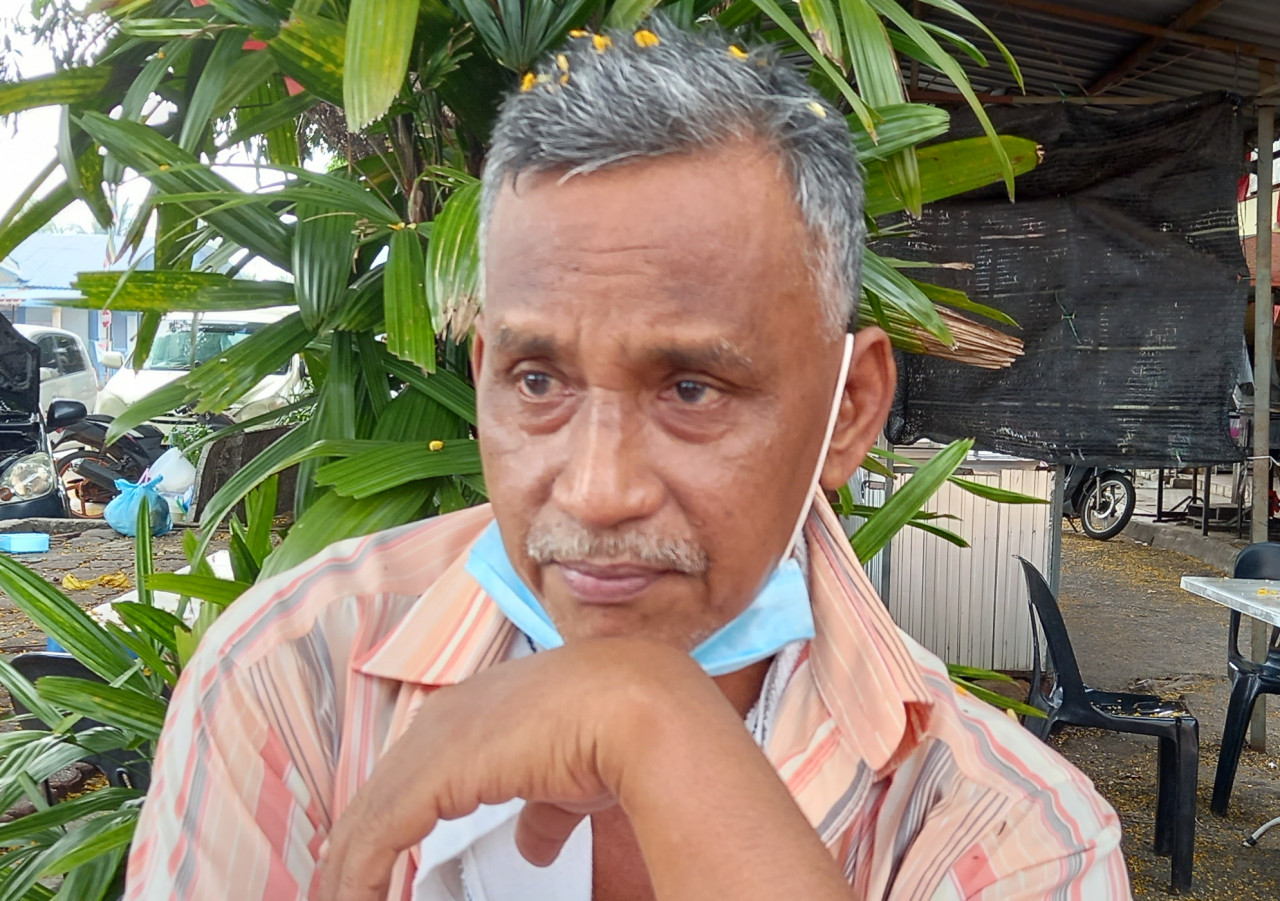
Fishmonger Kassim Hassan, from Kg Kota Kuala Muda, said he supports Sanusi, but added that the leader could have consulted the right people before raising the matter.
The rakyat want an amicable solution that benefits residents on both sides of the border, said the 58-year-old.
“There is no point in having a media war with your neighbour. It is not going to benefit anyone. The people are hoping for their leaders to come together and resolve the problem in a way that benefits all.”
Last year, Sanusi issued a renewed demand for compensation, saying Penang must pay tariffs for raw water from Sg Muda for the preservation of the water source.
Kedah demanded that the Penang Water Supply Corporation settle payments for raw water amounting to RM50 million a year after the state government took offence at criticism of its move to approve rare-earth mining in the sensitive Ulu Muda forest.
That did not go down well with Penang, with Chief Minister Chow Kon Yeow citing international water laws to justify the state’s refusal to pay.
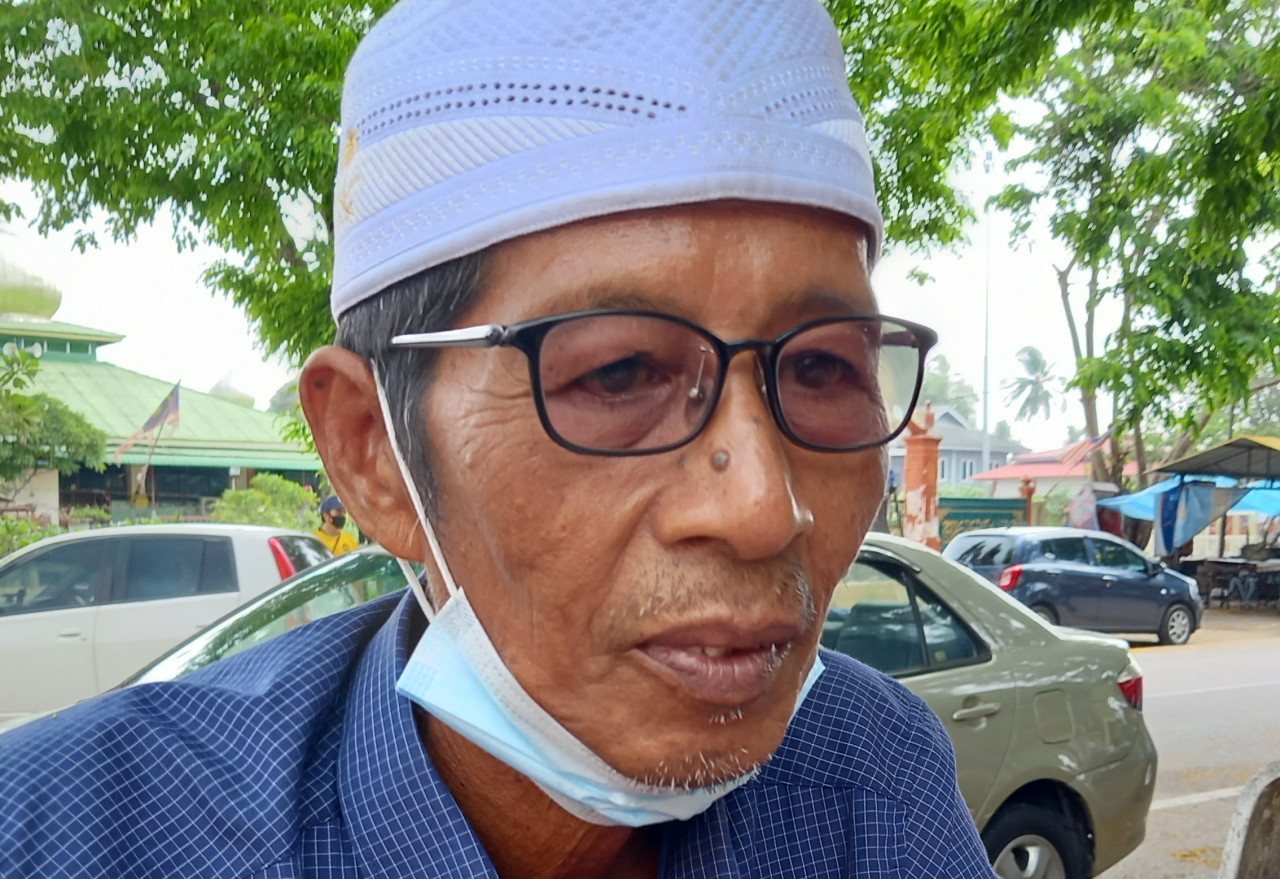
In retaliation, Sanusi threatened to take the matter to court, and a legal action was outlined by the Kedah Water Resources Board.
If Penang and Kedah are unable to reach an amicable solution, the matter could very well be decided by Putrajaya.
Under Article 74(1) and Item 11(b) of List I of the Ninth Schedule of the federal constitution, Parliament is empowered to legislate on matters related to rivers and canals that are not wholly within one state or regulated by an agreement between all of the states concerned. – The Vibes, April 8, 2021




.jpeg)









_Datuk_Rusdi_Mohd_Isa._Facebook_pic..png)