
KUALA LUMPUR – Nations should implement taxation on carbon, luxury items and waste to ensure developing countries can meet their commitment to the United Nations (UN) Sustainable Development Goals (SDG).
This is the opinion of a group of global luminaries speaking at the 2021 Horasis Global Meeting yesterday.
In the session titled “Taking Action for the Sustainable Development Goals”, moderator Vikram Khanna, who is The Straits Times Singapore associate editor, raised the question of how developing countries can keep their pledge seeing that the Economic Co-operation and Development Organisation (OECD) has estimated that developing countries will face a US$1.7 trillion (RM6.9 trillion) shortfall on SDGs this year due to the Covid-19 pandemic.
En+ Group executive chairman and Britain’s former state minister for climate change Baron Greg Barker of Battle admitted to the online forum that there is no easy answer regarding taxation and each country has different issues, but believes that it is high time for governments to put a price on carbon.
“My particular focus is climate change, and it is ridiculous that we don’t yet price in the cost of carbon pollution into many goods and product services.
“And that’s something that’s waiting to happen; not only will that raise money that could potentially be deployed in support of SDGs, but it would actually help tip the economics towards a low-carbon economy.
“Now, I’m a low-carbon optimist – I see the growth in a low-carbon economy already, but growth and heading in the right direction isn’t enough.
“That direction – that growth has to be at the pace and scale that is commensurable with the Paris Goals of keeping global warming below 1½°C – if we were to do that, we have to up our game further,” Barker said.
He stressed that it is not enough to strive on a best-efforts basis in light of the Covid-19 pandemic, but governments must be committed to ensure the implementation of the tax based on scientific data.
Furthermore, he believes that carbon-related tax will not only raise revenue in each country, but will also change the behaviour and economics of the economy to step in the right direction pertaining to SDGs and climate change goals.
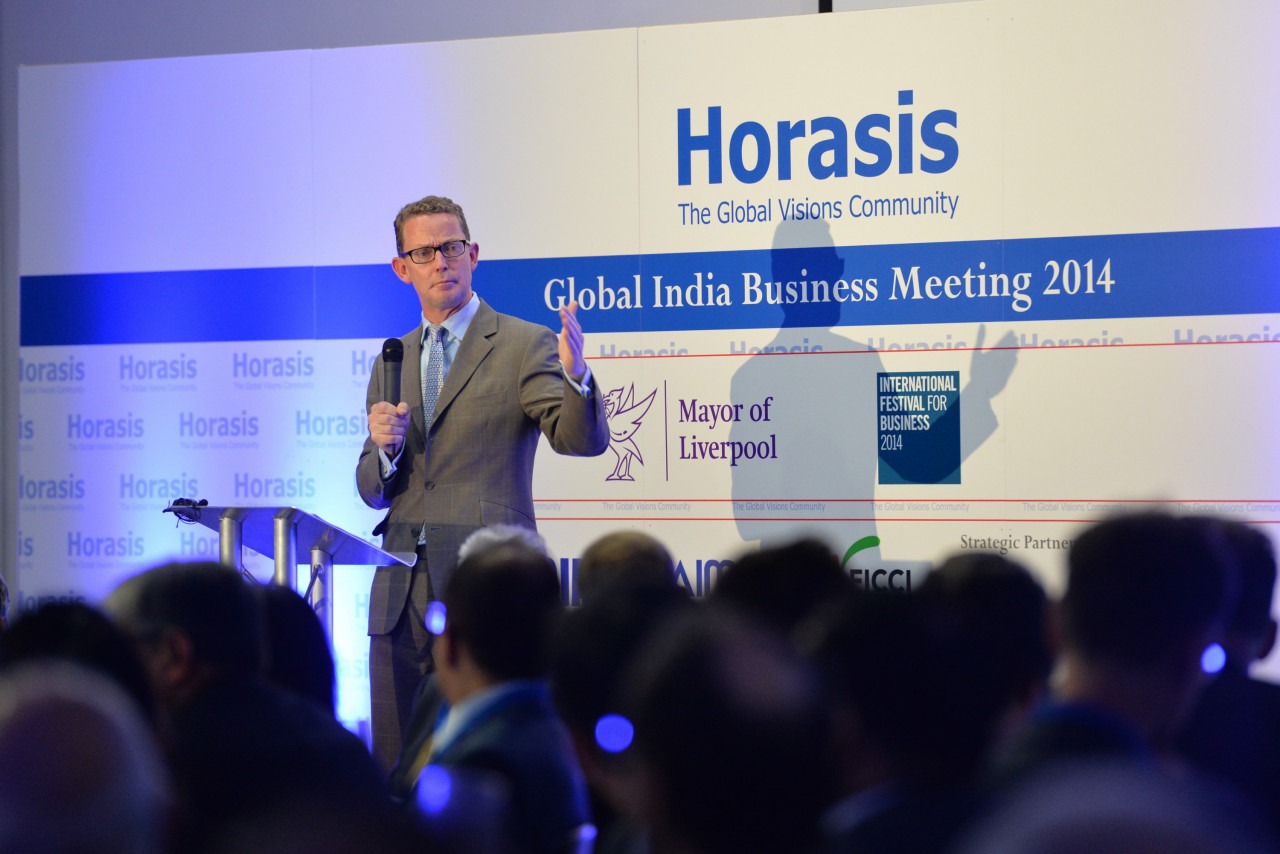
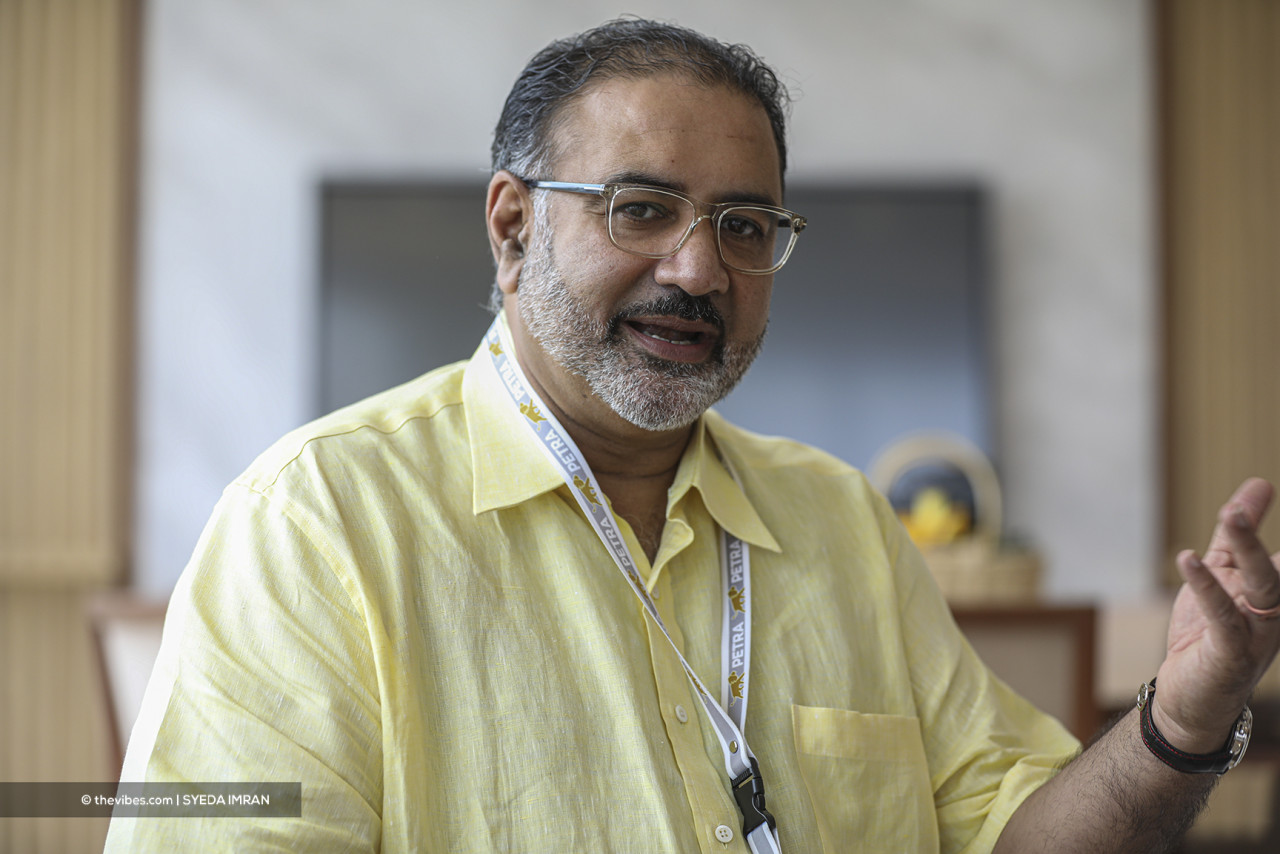
While agreeing with Barker’s sentiments, PETRA Group chairman and chief executive Datuk (Dr) Vinod Sekhar said the administrations should also consider a greater consumption tax on luxury items.
He pointed out that raising taxes across the board without careful and targeted planning will end up hurting the economy and businesses, and history has shown that higher taxes do not necessarily generate more national revenue.
“People will just find ways to keep their money somewhere else. I think the solution, as Lord Barker said, is carbon tax. Maybe finding the luxury products, the carbon-based businesses, and making them pay for it,” said Vinod, who is the co-chair for this year’s meeting.
“That’s where the money will come from. Rather than taxing the rich across the board, for example, tax them on what they like – tax them on cigars, on their consumption. I think a more consumption-based tax will be more effective.”
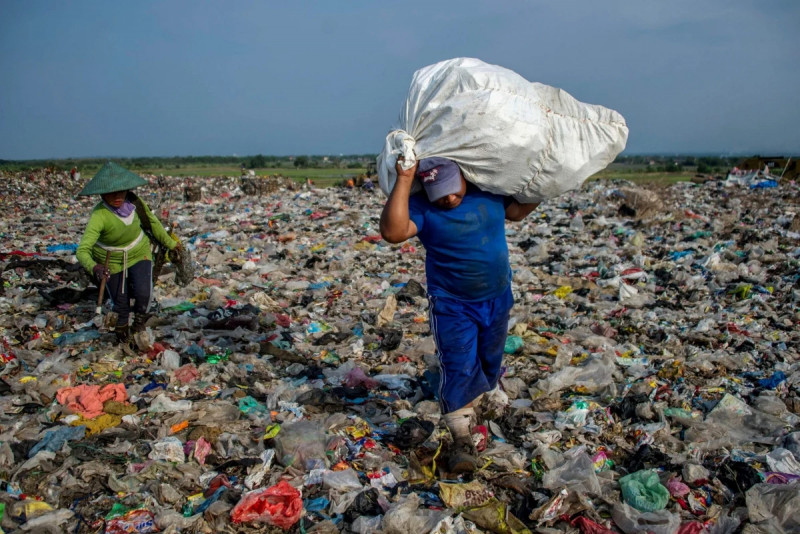
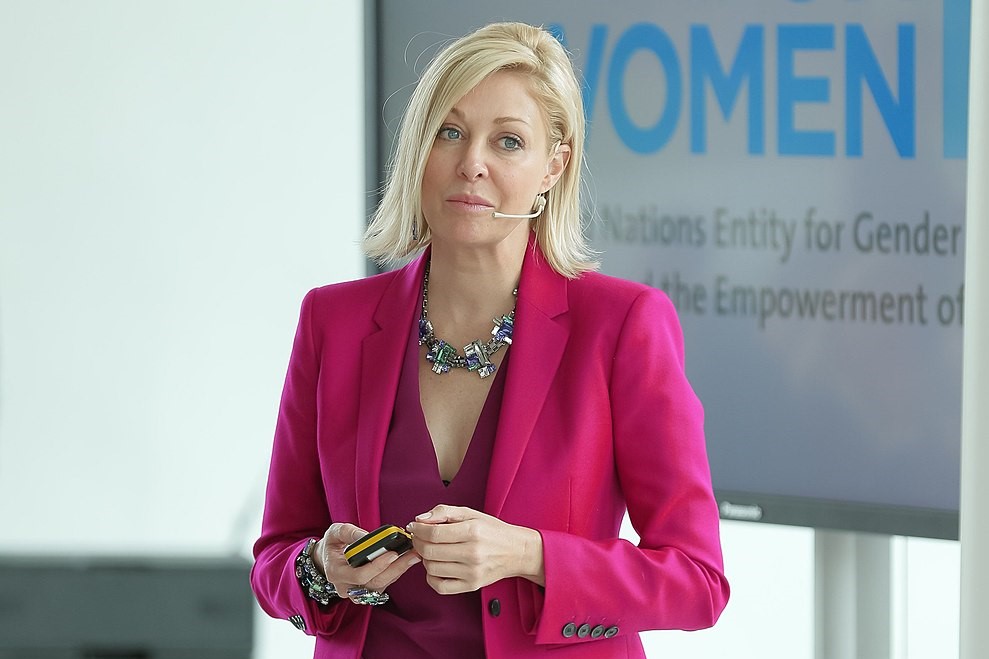
Meanwhile, Swarovski Foundation chair Nadja Swarovski took both of her fellow panellists’ arguments even further, saying that even waste should be taxed.
She added that the more people are aware of the amount of waste generated through taxation, the less they will be wasteful.
“Consumption tax is great, but we need to manage our waste, too. I’m also a great believer that money is not the only currency.
“I believe that knowledge is power, and when we empower people in terms of behaviour, that knowledge and change in behaviour will have a huge impact for a better world,” said Swarovksi.
Politicians need push from private sector, civil societies and public
Earlier during the discussion, both Barker and Vinod shared a similar sentiment on what it takes to force the hands of politicians in taking SDG commitments seriously.
As a former politician, the House of Lords member pointed out that politicians will not take SDGs seriously with the attention that the matter deserves unless they can see that there is a demand from civil society, their voters and members of the public.
“We can’t just hoist this on the government, this huge agenda, if the public doesn’t want it. I do hope global politicians will step up, but, conversely, it cannot just be left to them. The business communities must come in as well.
“Politicians need a voice in this post-Covid-19 times. If they can find that voice – (currently) there’s too much shrill nationalism and populism – if they can find the word that comes across and not just mouthing platitudes to their immediate constituencies, but go beyond that, particularly for developed countries.
“If G7 makes it part of their agenda and sets a real example and shows serious intent and focus, that will cascade down to businesses and give a degree of optimism to other countries outside of the rich countries,” said Barker.
Vinod, meanwhile, believed that although the government has a role to play, they will not budge unless they are pushed into it by the private sector.
Reiterating his message during his opening remarks when he launched the virtual meeting yesterday, he said it is time for business and economic leaders to step up and shoulder the burden of societal development or they will face a very weak market in the near future.
“During this pandemic, we produced more billionaires than the year before. How did we do that? Let’s put things into perspective – people are losing jobs, small businesses are being shut, but, at the same time, the rich continue getting richer and the poor are getting poorer.
“You suddenly see rubber glove manufacturers becoming overnight billionaires in this pandemic. There is wealth, but with that wealth comes a huge responsibility. The question is whether we can take these economic leaders and use their sizable influence and wealth to do good together.
“If you get us (the rich) to do something, and we decide we can do it, it would make serious changes (in the world),” said Vinod.
Good capitalism: creating a stronger market by addressing poverty
Earlier, when he launched the meeting as co-chairman, the Malaysian entrepreneur said sustainable wealth creation is critical to ensure the market does not implode, and the business community must play a role to pivot the world and move it forward from the pandemic.
Vinod pointed out the practicality and pragmatism of good capitalism, or what he coined as social capitalism – where corporations help uplift and push members of the community and society where they work and play upwards.
He explained that pushing more people out of poverty and into the middle class will create a stronger market for businesses to compete in.
“I need people in the middle class. I want your money, how can I have it (money) if you don’t have it?
“So, businesses must play a role, however small or large, to push people into the middle class to make more money,” said Vinod.
The Horasis virtual summit, with the theme “Fostering a Shared Humanity in Times of Disruption”, brings together over 1,000 prominent global decision makers to discuss the Covid-19 pandemic, its impact and the possible solution to many of the problems presented.
The event, which is permanently hosted by the Portuguese coastal City of Cascais, is being held as a virtual meeting due to the ongoing global pandemic.
Among the political leaders in attendance are Armenian President Armen Sarkissian, Namibian President Hage Geingob, Japan’s Administrative Reform and Regulatory Reform Minister Taro Kono and Germany’s Food, Agriculture and Consumer Protection Minister Julia Klöckner, among others.
Global industrial leaders attending the conference include Moody’s USA board member Hank McKinnell, Voice for Nature Foundation founder David de Rothschild (the United Kingdom), First Bank of Nigeria chairman Ibukun Awosika, and Swarovksi, among others. – The Vibes June 9, 2021











.jpeg)