
KUALA LUMPUR – More than a year into the Covid-19 pandemic, the Perikatan Nasional government is still rife with indecisions and conflicting messages.
Ministers have given contradictory statements on the rules imposed during the lockdown, standard operating procedures, guidelines, or mechanisms related to contact tracing.
The often conflicting announcements leave some wondering whether cabinet members, the National Security Council (NSC), the Health Ministry, and even the Communications and Multimedia Ministry are working closely to ensure concerted effort is being made to tackle Covid-19.
The Vibes has compiled a list of statements that have left the people perplexed in recent months.
To dine-in or not?
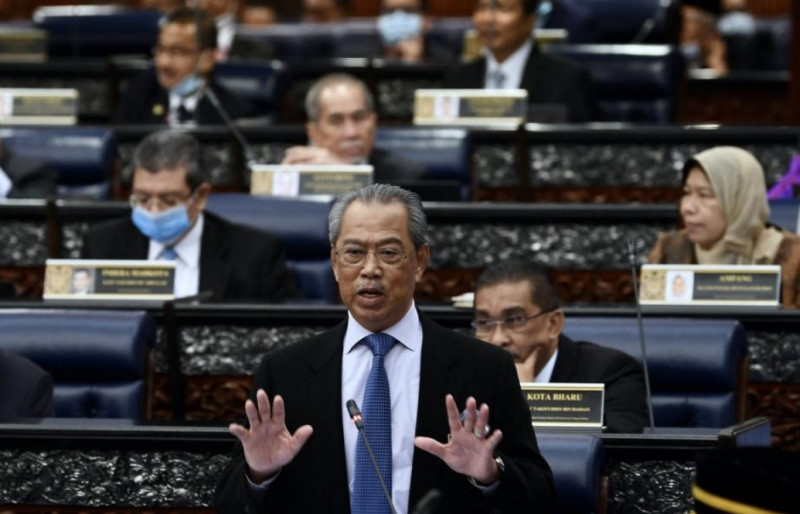
On July 24, Prime Minister Tan Sri Muhyiddin Yassin said the country may ease restrictions soon for those who have been fully vaccinated against Covid-19. This includes allowing them to dine in at eateries and take part in sporting activities, while those with outstation spouses will be allowed to undertake interstate travel.
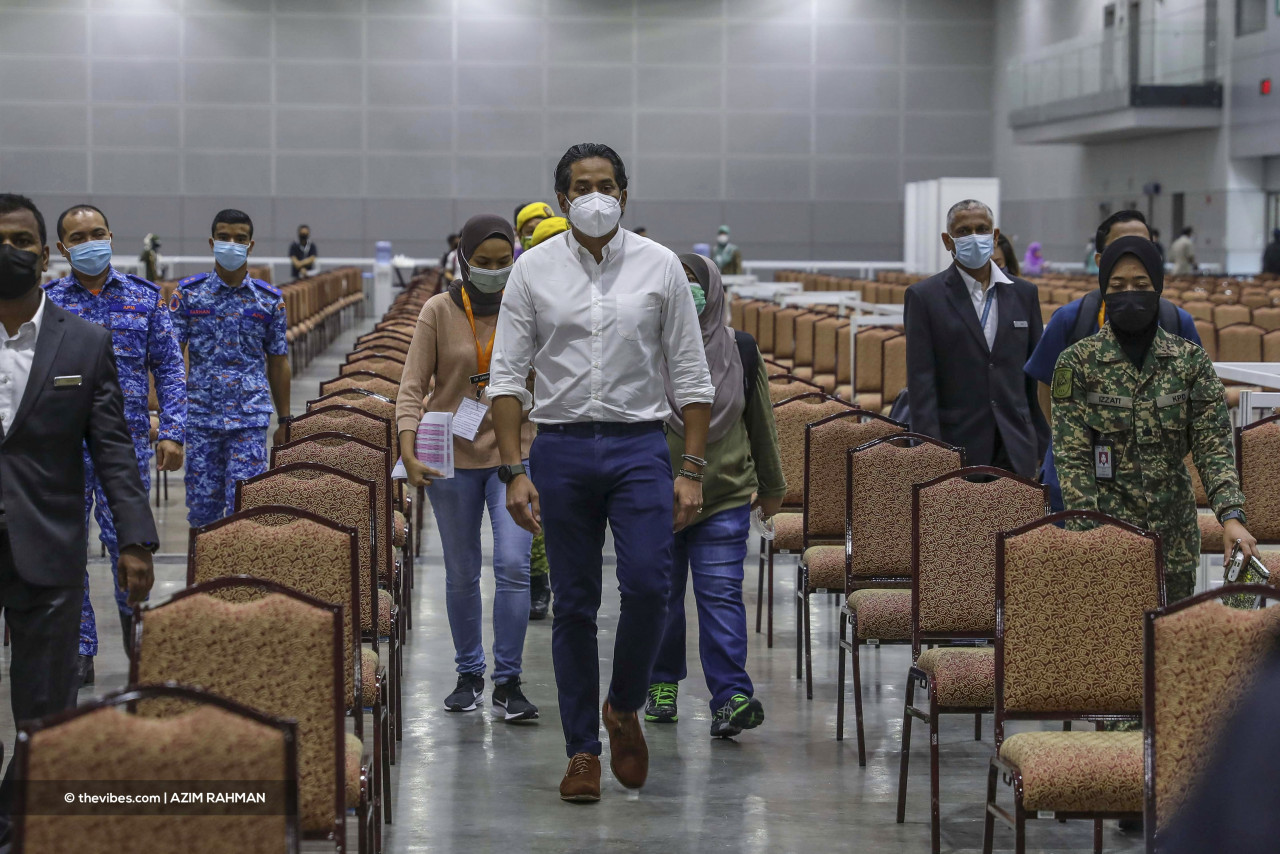
However, the following day, National Covid-19 Immunisation Programme coordinating minister Khairy Jamaluddin warned that such a decision would be premature in the wake of increasing cases caused by the highly contagious Delta variant.
He said the lifting of restrictions must be done in a controlled manner, adding that some countries that have eased them too soon faced serious problems.
Sinovac vaccine for sale?
On July 15, Health Minister Datuk Seri Dr Adham Baba was quoted by Reuters as saying Malaysia will cease administering the Sinovac vaccine once supplies end. The announcement came amid wide concerns about the efficacy of the Chinese-made jab.
Khairy has insisted that it has nothing to do with efficacy, but rather, the end of delivery of 12 million vials by local vaccine bottler Pharmaniaga Bhd.
The move appears to mark a shift from the government’s earlier decision to supply vaccines for free to all Malaysians, and perhaps, also non-citizens residing in the country.
In April, Finance Minister Datuk Seri Tengku Zafrul Tengku Abdul Aziz confirmed that the RM5 billion vaccination allocation from the National Trust Fund includes stock to cover up to 120% of the population.
It was then that former international trade minister Tan Sri Rafidah Aziz questioned the government’s decision to allow the sale of 14 million Sinovac vaccine doses to states and private entities, given the existing allocation.
Covid-19 Intelligent Management System 3.0
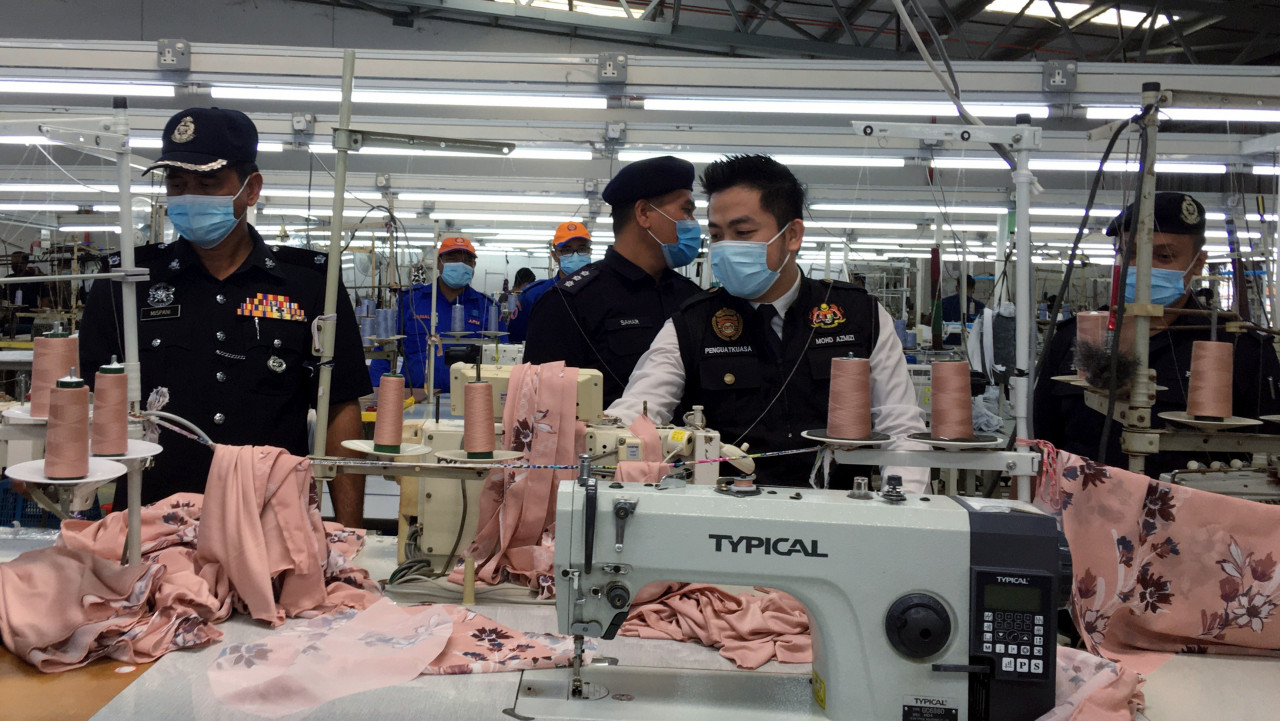
When the country went back into a full lockdown on June 1, the Covid-19 Intelligent Management System (CIMS) 3.0 under the International Trade and Industry Ministry (Miti) received a barrage of complaints from disgruntled and exasperated applicants who wanted to resume their essential businesses during the third movement control order.
The second day of the lockdown saw heavy traffic on the CIMS website, which crashed on occasion. Applicants complained of irregular and inconsistent results, putting many companies’ operations and future in the lurch.
Checks on the ministry’s Twitter and Facebook pages, as well as Minister Datuk Seri Mohamed Azmin Ali’s social media accounts, showed them peppered with complaints by those unable to access the website or register for ministry approval to operate.
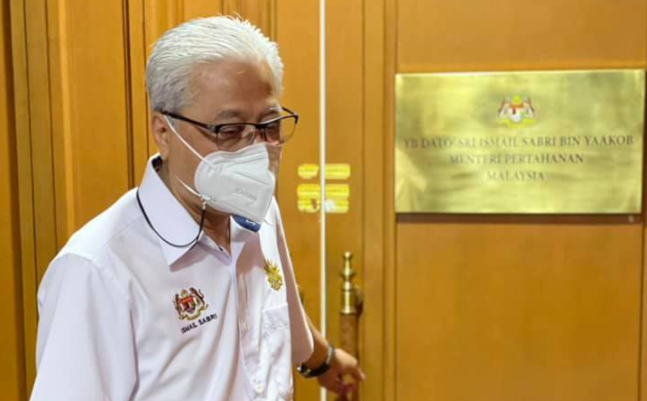
Factory doors, and Ismail Sabri’s, closed
Days into the lockdown in June, Datuk Seri Ismail Sabri Yaakob uploaded an image of himself exiting his office at the Defence Ministry, with the caption: “Saya dah tutup pintu depan tapi... (I have closed the front door, but...).”
The text in the post was accompanied by a teary-face emoji.
Sources told The Vibes that the minister was frustrated over the slow pace of Malaysia’s Covid-19 recovery and shambolic implementation of movement controls.
Economic sectors were paralysed due to glitches in Miti’s CIMS 3.0, which saw many businesses given the nod to operate during the two-week lockdown, but finding themselves actually unable to do so.
Ismail Sabri’s lament also came after the government made a U-turn on allowing factories producing alcoholic beverages to operate.
Hotspot Identification for Dynamic Engagement system
On May 9, many quarters, including Sabah DAP Youth chief Phoong Jin Zhe, slammed NSC for “confusing” people with “last-minute” and “turnabout” decisions, especially on the Hotspot Identification for Dynamic Engagement (HIDE) system.
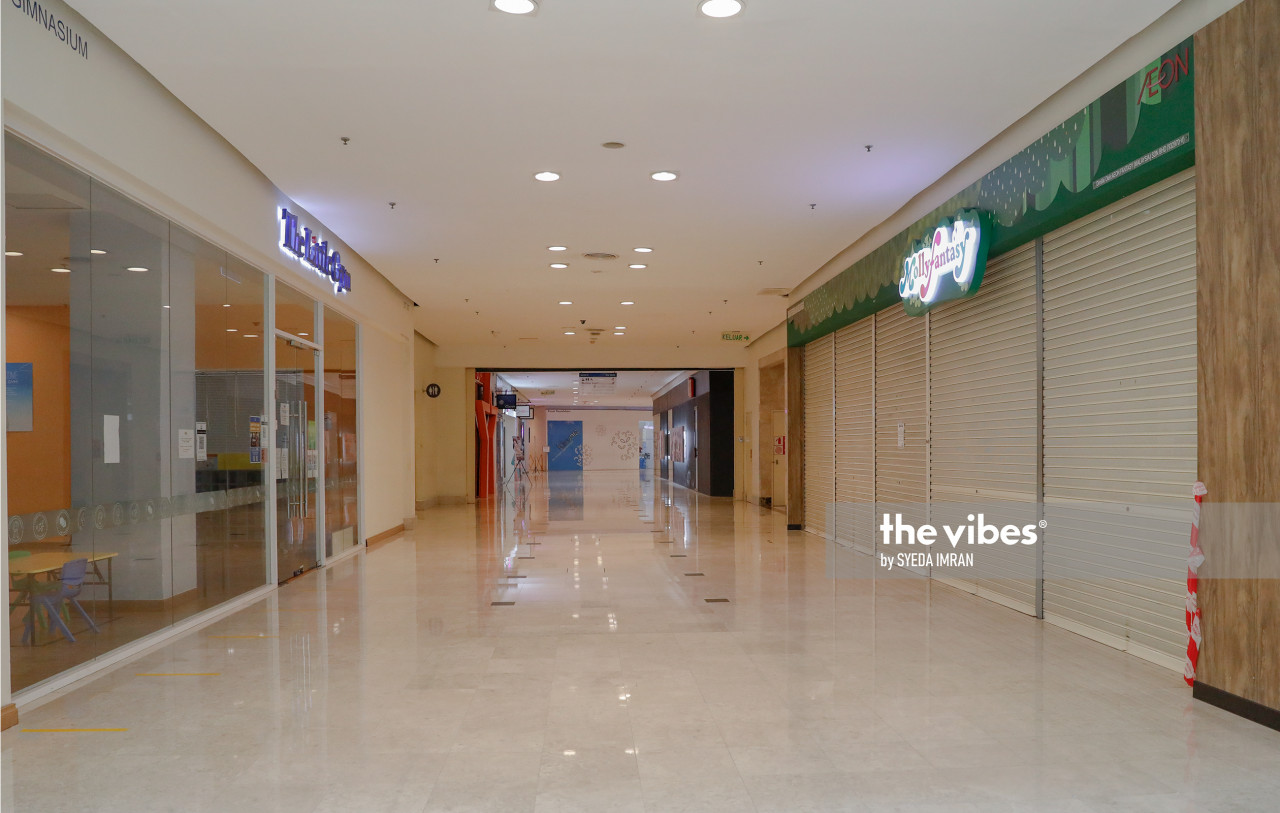
He was irked by NSC’s move to shut three malls identified by HIDE, saying it was unreasonable that the announcement was made only at 11.20pm the day before.
At the time, the potential virus hotspots listed in HIDE included three shopping complexes in Kota Kinabalu: Suria Sabah, Karamunsing Complex and Centre Point.
Phoong was also unhappy with NSC’s about-turn on closing the premises.
Sabah PKR Youth information chief Razeef Rakimin said the decision to close HIDE-listed premises was “rushed” and “killing” businesses.
The system also wreaked havoc in the Klang Valley, which had the majority of the 152 hotspots identified by the predictive system on May 8.
This resulted in the Malaysia Shopping Malls’ Association, Malaysia Retailers’ Association, Malaysia Retail Chain Association and Bumiputera Retailers’ Organisation issuing a joint statement calling the HIDE assessment “grossly unfair”.
The retailers also urged for its suspension until “a clear, accurate and precise basis accompanies the information to be released”. – The Vibes, August 1, 2021