KUALA LUMPUR – The nation’s economic recovery will only likely be affected in the short-term if Prime Minister Tan Sri Muhyiddin Yassin tenders his resignation soon, economists said.
Barjoyai Bardai of Tun Abdul Razak University said the move will likely have a psychological impact on both foreign and local investors due to uncertainties of the country’s administration, and possibly unrest if the ongoing crisis is not resolved amicably.
However, he also said that the effects of Muhyiddin’s resignation, if that happens, would not impact the country’s road to economic recovery in the long run.
As much of its administration is run by the civil service, and not politicians.
“Foreign investors are much more worried about the closing of the economy – rather than politics – as they have been stressing that it remains open, with factories running,” Barjoyai told The Vibes.
“If the government only focused on critical services, the economy will remain stagnant,” he added.
Barjoyai also said that the absence of certain ministers during a transitional period may bode well for the country in terms of decision-making by the government.
He also pointed out that without political interference, civil servants can make better decisions for the economy’s direction.
However, regarding Bursa Malaysia, Barjoyai admits that the stock markets will be affected in the next few days. However, it is only temporary due to the change of investor sentiment and confidence. The academic does not expect the drop to last for long.
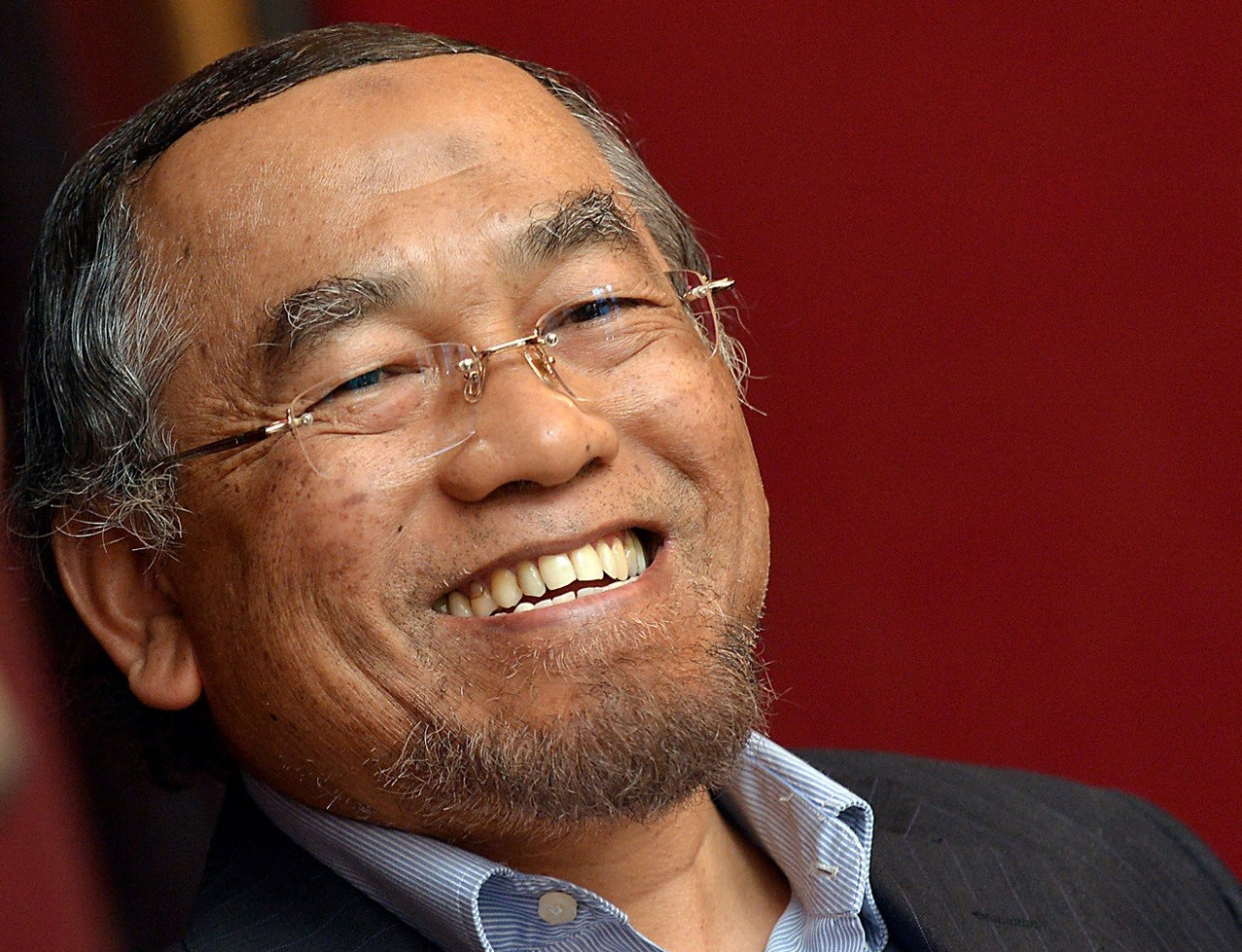
He said the Kuala Lumpur Stock Exchange market is the second-worst performing index in the region next to the Philippines, dropping almost 7% in the last seven months.
However, this is also being cushioned by several factors.
“We expect that (decline) to continue, but the country is doing well in supporting the market as our index has not gone much lower than 1,500 (points). This is because the retail investors have come in and replaced the RM7 billion that the country lost.”
“We should not worry too much about the foreign investments because they are essentially a flock of birds that fly where the markets are most attractive. Eventually, they will return to Malaysia if and when our market improves.”
He said the short-term impact on the recovery may stretch for weeks, depending on how well the market absorbs the political developments and stock prices.
Barjoyai added that the local currency was stable, considering the country’s current problems, as it had only declined by 4% against the greenback since early this year.
“Overall, the economy is not doing well but it is stabilising. It’s not going to get so much worse, but we should not be complacent. We should immediately be coming up with a new strategy on how to turn the economy around.”
Touching on possible new leadership, Barjoyai said his wish list is a smaller, tighter cabinet with only around 10 to 15 federal ministers, that are capable of coming up with creative and innovative ideas to reverse the economic outlook.
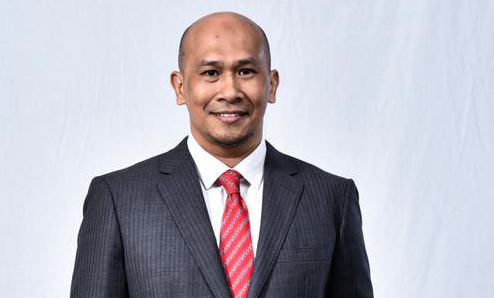
Meanwhile, Bank Islam Malaysia’s chief economist Mohd Afzanizam Abdul Rashid said the nation’s economic recovery mostly depends on its Covid-19 immunisation efforts.
“I believe the prescription for a sustainable recovery is quite universal. For example, the country needs to achieve herd immunity as soon as possible. So the economy reopening will be convincing,” he said.
“As for the financial market, any form of uncertainties will weigh on the market sentiments negatively.”
Afzanizam added that the market participants would likely adopt a wait-and-see approach in order to assess the situation, to seek more clarity. – The Vibes, August 16, 2021