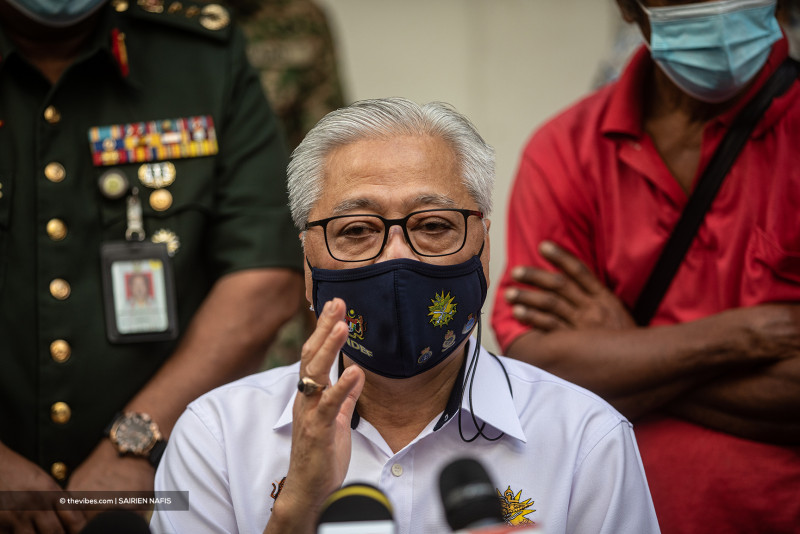

KUALA LUMPUR – It is a risky gamble for opposition MPs to join a unity government should newly minted Prime Minister Datuk Seri Ismail Sabri Yaakob propose it in a bid to save the country from political turmoil and the worsening Covid-19 crisis, said experts.
Universiti Malaya academic Prof Awang Azman Awang Pawi is of the view that opposition members may benefit from being bystanders waiting to see if the new administration can pick up the pieces or spectacularly fail at governing the country.
“If Pakatan Harapan and Perikatan Nasional are to form a unity government, the failure of this government will be fully borne by everyone (MPs from both sides of the divide),” he told The Vibes.
“With the pandemic and current economic situation, will the opposition be willing to share the failure? It is not easy to bring down the 20,000 daily Covid-19 cases by the end of the year.
“I think it is better for the opposition to wait for a fresh general election.”
Ismail Sabri has been appointed as the ninth prime minister of Malaysia, succeeding Tan Sri Muhyiddin Yassin who resigned from the post last week.
The Umno vice-president has the backing of 114 parliamentarians, creating a simple majority to form the government. However, he still has to muster enough Dewan Rakyat votes through a confidence motion once the House reconvenes next month.
The parties and MPs backing him are GPS (18), Umno (37), Bersatu (31), PAS (18), MCA (2), MIC (1), PBRS (1), PBS (1), Sabah Star (1) and independents (4).
Gua Musang MP Tan Sri Tengku Razaleigh Hamzah is the sole Umno lawmaker who has not given his support to the Bera MP.
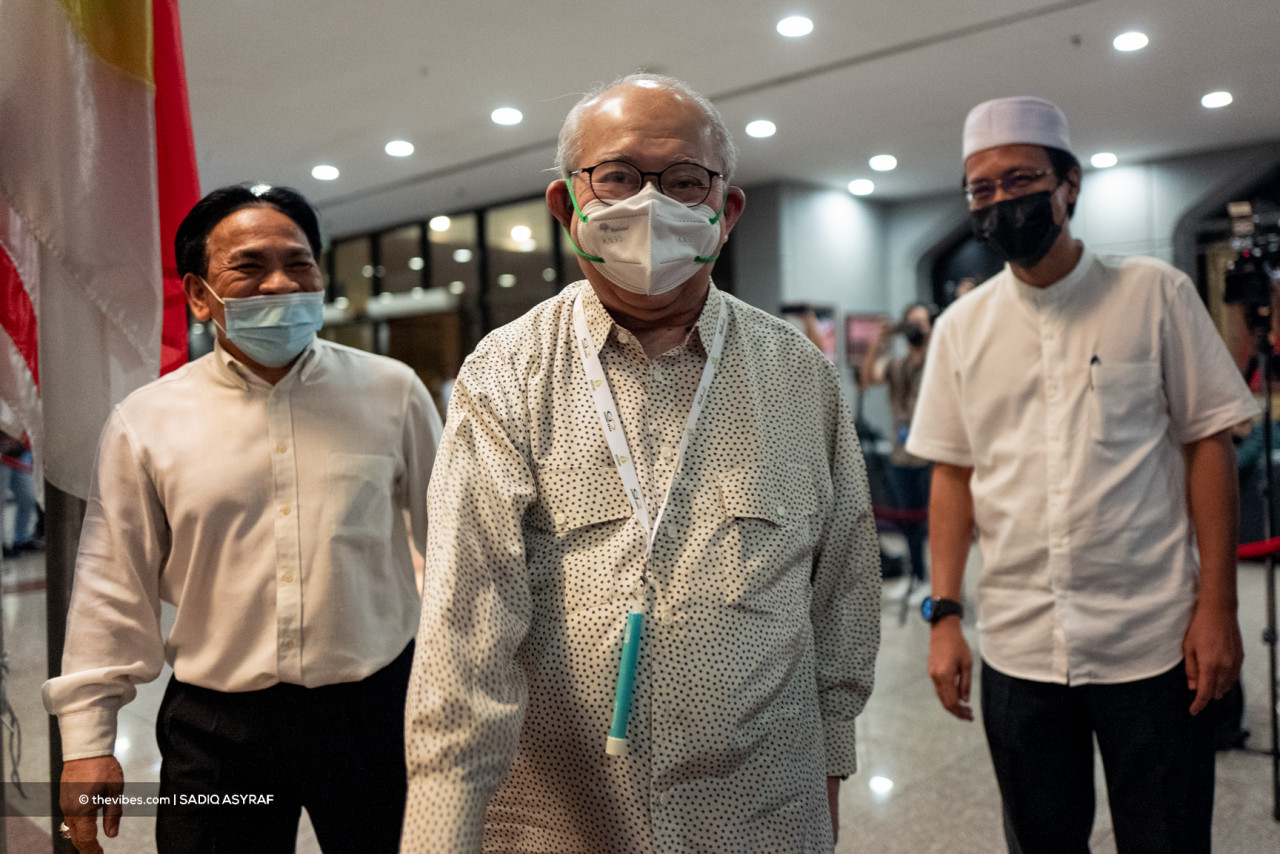
Awang Azman said if the opposition decides to join the proposed unity government formation, it must not miss the chance to demand for institutional reforms and strategic position distributions in the cabinet.
“The distribution of positions must be strategic for them in order to have them on board with the idea of a unity government.
“They will definitely want positions that are equally as strategic as the ruling party’s (position). They will also push for the implementation of institutional reforms. For instance, the Registrar of Societies being placed under the purview of Parliament.
“As for government-linked companies, I foresee that they will insist politicians not be appointed and get involved at all. If they do not make demands, they will be at loss.”
However, the socio-political analyst said PN component parties and the grassroots will oppose the idea to form a unity government, as they will get the short end of the stick.
The ruling coalition members will be reluctant to accept the opposition in the executive as they will lose important cabinet posts, he added.
“However, for those who are aware, it is a ‘threat in disguise’ to bear the possibility of another failure. And for these groups of politicians, they will take the opportunity to share the risk of failure.”
Can Ismail Sabri lead a unity government?
Singapore Institute of International Affairs senior fellow Oh Ei Sun also shares the same sentiment, saying should Ismail Sabri follow in the footsteps of his predecessor in extending a bipartisan olive branch, it will ruffle some feathers in the ruling coalition.
“For show, it will be seen as a magnanimous gesture, but Bersatu or other component parties will not be happy.
“Ismail Sabri may make very vague statements to ask them (opposition) to work together, but if he gets more specific, like offering them positions, the ruling coalition will get upset.
“It is very tempting to say that the politicians are in it to fight the pandemic, but the reality is that they are still fighting for positions.”
Oh said opposition MPs will not be empowered in a unity government cabinet and their input and opinions will not be adopted.
He also thinks it is a bad idea for the opposition to accept the offer.
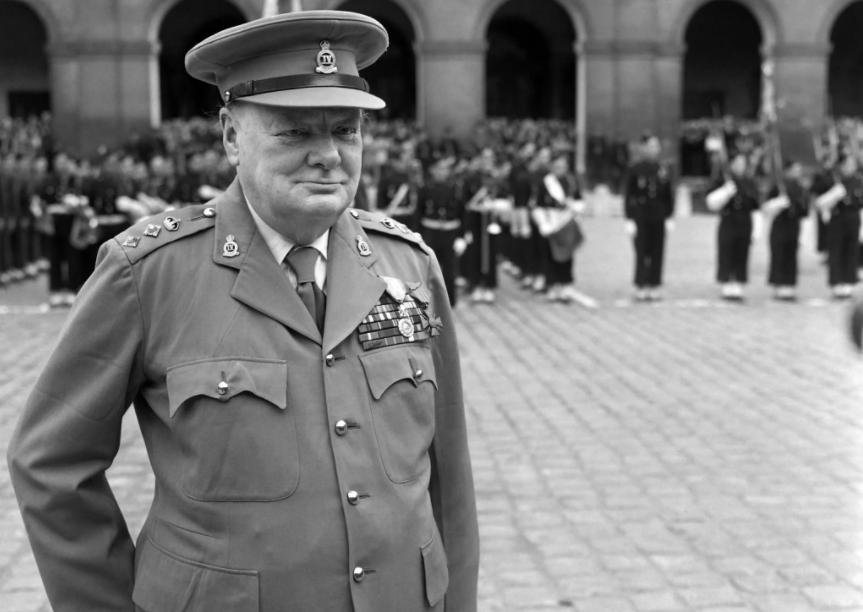
Though it sounds good theoretically, a united federal administration and ‘war cabinet’ must be led by someone with the charisma to inspire confidence – someone akin to Britain’s wartime prime minister Sir Winston Leonard Spencer Churchill.
“Does Ismail Sabri appear to be such a person? I highly doubt it. So, do not soil your name by joining it,” said the pundit.
GPS’ golden opportunity to press for advantage
Universiti Malaysia Sarawak’s Assoc Prof Jeniri Amir told The Vibes that it is the right time for Gabungan Parti Sarawak (GPS) to demand for greater state rights and aspirations pertaining to the Malaysia Agreement 1963 (MA63).
The National Council of Professors senior fellow said when obtaining another party’s support, especially for such an important position, it is common for tit-for-tat deals to be made between the two groups.
As usual, a deal must have been made when GPS gave its support to Ismail Sabri. Those demands must be for the interests of the Sarawakians.
“What is important is the expectation of the people of Sarawak – development grants and MA63. Those are issues that have been delayed after the fall of the Barisan Nasional administration.
“It has to be continued and resolved because the rights have not been returned by the federal government.”
He said the new prime minister needs to realise that fulfilling GPS’ demands is not only for short-term political stability, but also to gear up for what is to come in the next general election.
BN must provide continuous support to Sarawak if it wants to maintain cooperation with GPS, he added, noting that at the moment, the latter commands 18 federal MPs with a chance of increase.
“GPS can be a kingmaker; in fact, anyone can be a kingmaker now.
“For his political survival, I believe Ismail Sabri understands that he cannot ignore the aspirations of the people of Sarawak.”
All eyes are now on the formation of the new cabinet and appointment of a deputy, which the Bera MP is set to announce in due time.
That position has garnered particular interest, with several Bersatu leaders said to be in the running. – The Vibes, August 23, 2021