
KUALA LUMPUR – Although the movement control order (MCO) has caused great distress and inconvenience to many, there has been at least one silver lining, as far as the environment is concerned.
Rivers, in particular, have benefited from the Covid-19 lockdown that drastically curbed human activity.
The findings of a research that considered the restrictions in business and factory operations may prompt the conclusion that the true culprit of Malaysia’s river pollution is none other than mankind.
The study, conducted by researcher Goi Chai Lee of Curtin University in Sarawak, on the water quality of the country’s rivers before and during the MCO showed that a decrease in anthropogenic – pollution originating from human activity – habits correlates with an increase in the river water quality index.
Asked what motivated him to carry out the study, Goi recounted a visit to Seoul, where he noticed clean rivers flowing through the middle of the South Korean capital.
This triggered him to consider contrasting the state of the rivers there with those in Malaysia.
“I asked myself how they kept their rivers clean, and why we can’t do the same. In fact, our rivers are getting more and more polluted every day,” he told The Vibes.
In his research, Goi pointed out how river pollution prior to the MCO affected the traction of tourists to the country, citing the declining presence of visitors to Sg Dipang, Sg Kepar and Sg Reas.
These three rivers were known for their clear water and fishing activities, but pollution caused by the direct release of sludge led to them turning turbid.
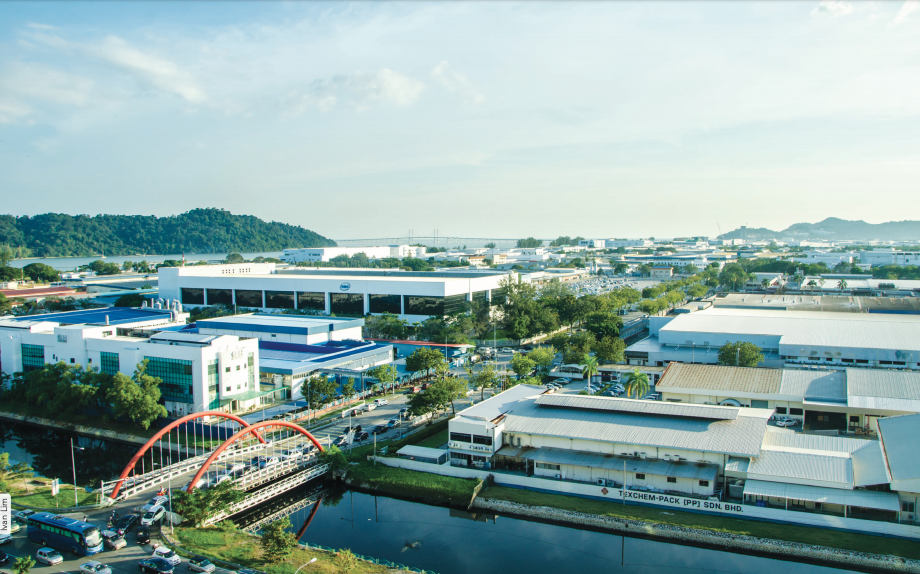
Goi wondered whether the MCO’s implementation had a positive effect on river water quality, and took the initiative to review the relevant data.
The findings of his study drew a startling point on the damage to rivers resulting from human activity.
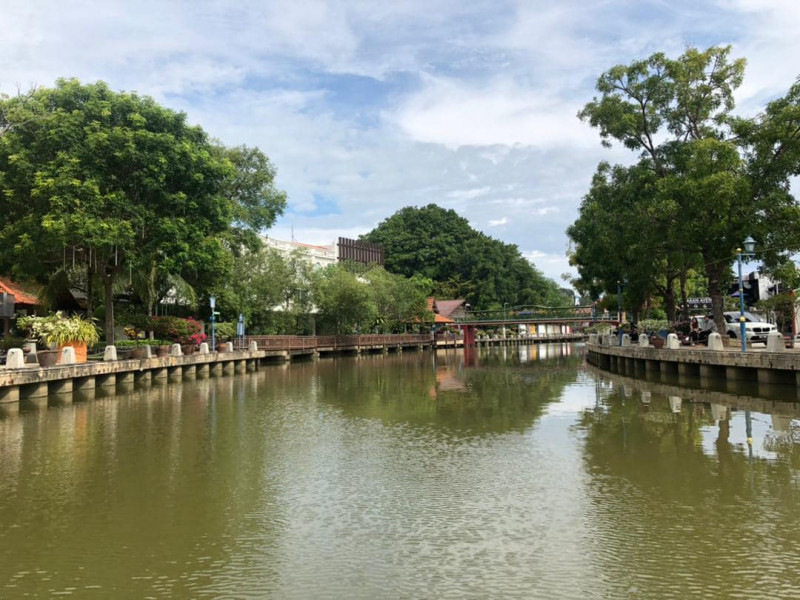
He noted how Sg Melaka’s water became clear during the virus lockdown.
Goi attributed this to the lack of human activity, including the operations of cruise vessels running on petrol.
Rivers in Negri Sembilan, Johor, Pahang, Terengganu, Kelantan and Sarawak also saw an increase in their water quality, according to a report by the Environment Department in April last year.
“The responsibility of water management does not lie solely with the authorities, but everyone. If everyone works together, it is possible to restore river water quality,” said Goi, expressing hope for the state of Malaysia’s rivers.
He acknowledged that the country has an almost complete infrastructure to control, enforce, design and formulate policies related to river management, but urged the public to do its bit, too, by informing the authorities of waste-dumping incidents.
“In addition to stringent law enforcement, public awareness is crucial to emphasise the importance of river water quality,” he said in his report.
He believes there is hope yet for Malaysia’s rivers to recover, saying the MCO served as a “natural time” for the waterways to rehabilitate.
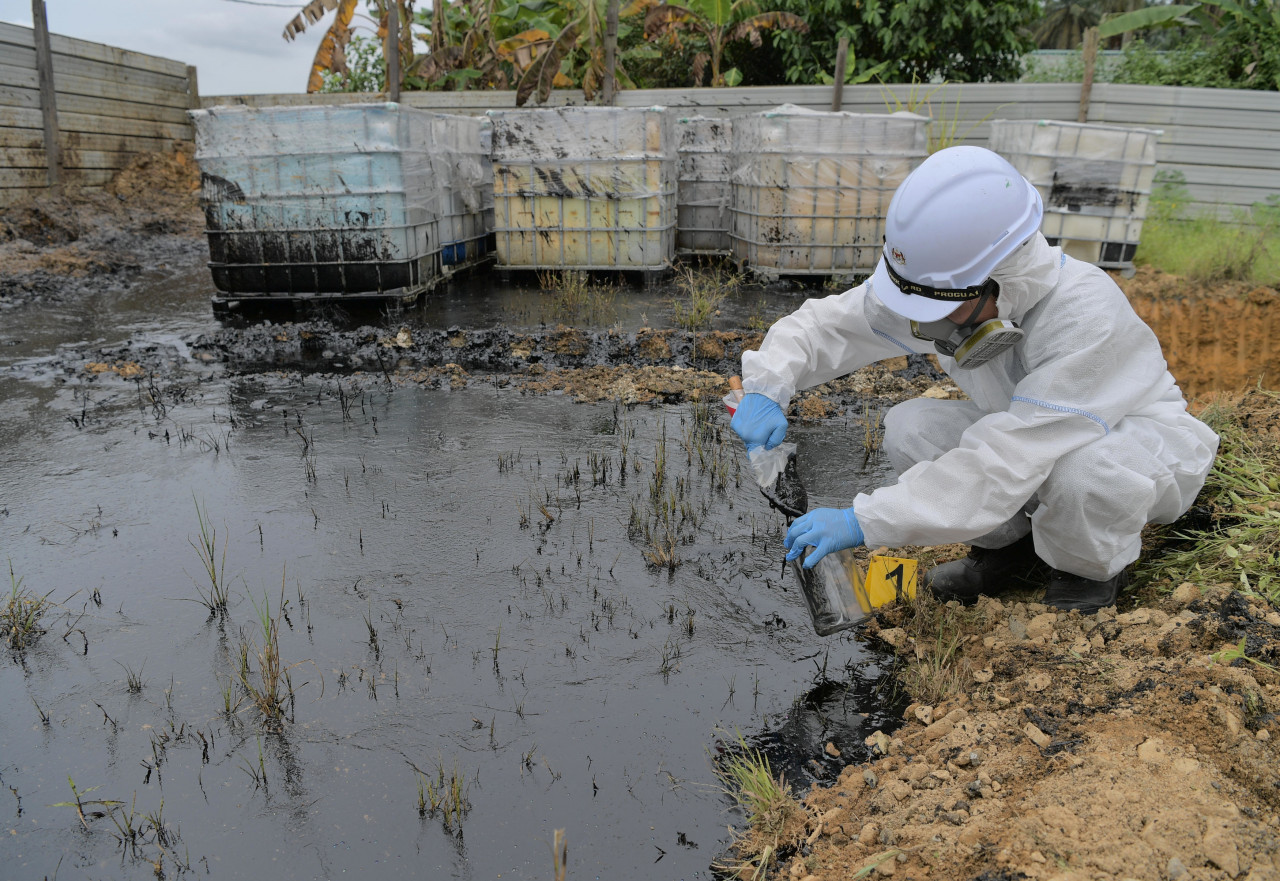
“Pollution is devastating to our rivers and the environment. The management of river water quality is important for future generations.
“We must take care of our rivers for the sake of those who will be around for far longer than us.”
In a statement on September 16, the Consumers’ Association of Penang (CAP) sounded the alarm about rivers “dying” due to human activity, threatening not only the natural ecology, but also water supply for millions of people.
Its president Mohideen Abdul Kader lamented that Parliament has yet to enact a national water resources law despite the recommendations made in a 2011 report from the Review of the National Water Resources Study (2000-2050) and Formulation of National Water Resources Policy.
The proposed law would give the National Water Resources Council legal status and allow it to provide an avenue for consultation and coordination among stakeholders.
Mohideen said the recurring problem of illegal waste dumping in Sg Klang last year and in 2019 affected more than a million consumers, who suffered dry taps.
CAP also recommended that state governments crack down on illegal logging and carry out forest replanting, and for the Malaysian Anti-Corruption Commission to investigate and prosecute those behind illegal waste dumping.
It has been reported that threats to water resources, such as the destruction of catchment areas due to logging, and the pollution of rivers and seas by industrial waste, sewage, agrochemical residue, sediment from agricultural areas, animal manure and livestock waste including garbage, have increased across Malaysia. – The Vibes, October 2, 2021

















_Datuk_Rusdi_Mohd_Isa._Facebook_pic..png)