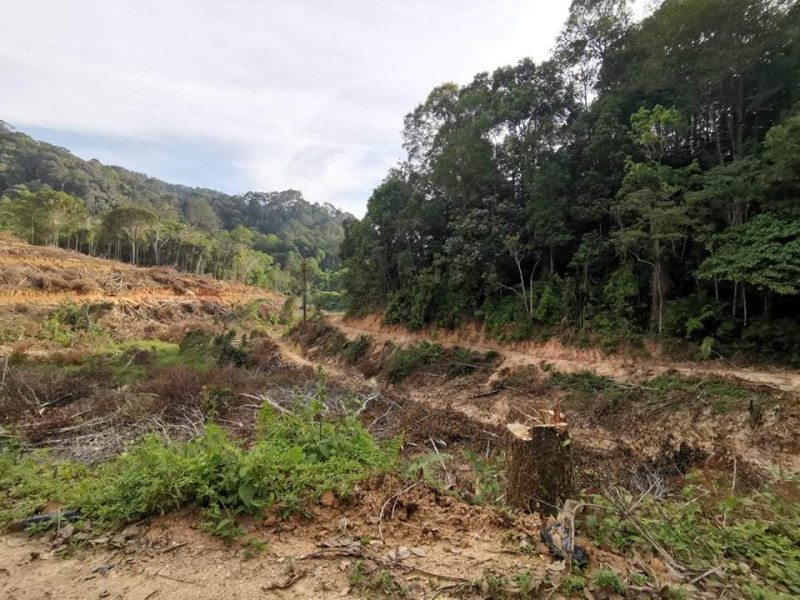

GEORGE TOWN – Farming activities on Penang island’s pristine and sensitive hills have reached worrying levels, becoming particularly rampant during the various phases of lockdowns and movement control orders (MCOs).
According to non-governmental organisation Penang Hills Watch, large plots of land, including forests, were cleared over a short period of time during the MCO last year.
Its co-founder, Rexy Prakash Chacko, said the farming activities are conducted by private landowners.
In some cases, the landowners had failed to obtain necessary approvals and permits to clear the ground for crop planting and replanting.
He said that the NGO received numerous reports on this issue last year.
“However, there are also cases involving farms that start off operating legally within their specified land, and then expand and encroach into neighbouring lands,” he said.
“There were also cases where they encroached into state land and forest reserve land,” he told The Vibes.
Penang Hills Watch is an initiative by the Penang Forum coalition of NGOs to keep watch, document and map out activities that affect hills in the state.
Rexy said this when commenting on the Penang Island City Council’s (MBPP) discovery of illegal farming on hills near Paya Terubong in Ayer Itam recently.
MBPP was scheduled to take the journalists to the site in July, but this was called off for undisclosed reasons.
Rexy said that the issue of forest land encroachment for farming is acknowledged as one of the nine problems and issues plaguing Penang Hill in the draft of the Penang Hill Special Area Plan (SAP) 2020.
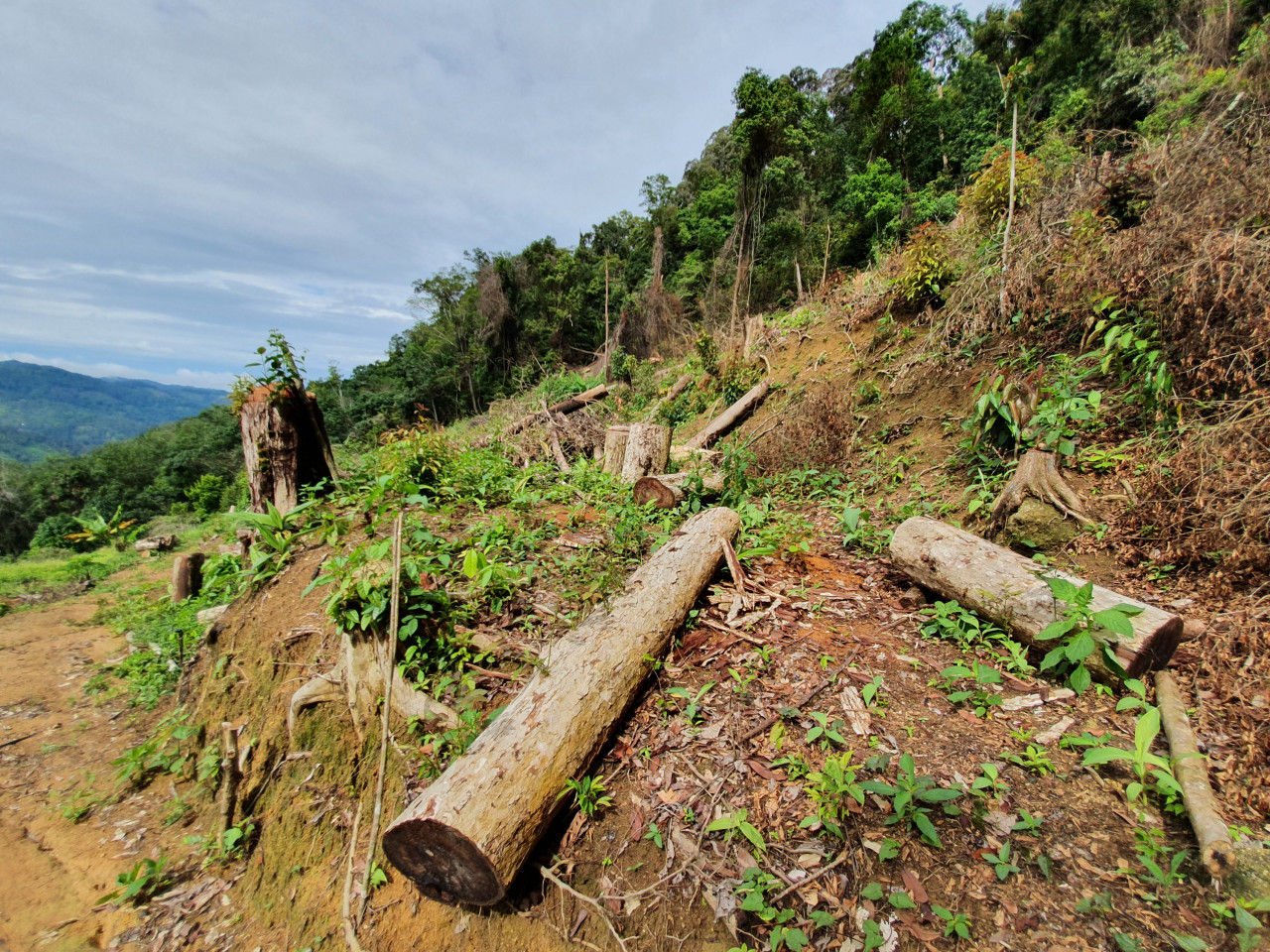
Illegal farming activities take place over an extended period of time, with farms slowly encroaching into state lands.
He added that hill clearing, whether approved or illegal, is not a new issue as it has been there for a long time.
However, since last year, Penang Hills Watch has been receiving reports of such cases involving large plots of land being rapidly cleared during the lockdowns and MCO periods.
The affected hills on the island include Laksamana Hill, Elvira Hill, Tiger Hill and Penang Hill.
Commenting on the situation in Penang’s mainland, Rexy said cases there pertain more towards agricultural lands being replanted with crops other than what they originally grew.
‘Encourage protective cultivation’
Malaysian Nature Society adviser N. Kanda Kumar said farming can be encouraged on the hills, provided the farmers and their activities do not create a negative impact on the environment, such as causing landslides and floods, especially if they affect residents living in the foothills.
He said farming can be allowed on the hills if the cultivation continues to protect the environment, including the slopes. Otherwise, commercial farming would damage the natural elements, causing massive flooding problems in the foothills.
He said while cultivating cash crops under proper conditions on the hills should be encouraged by the authorities, farmers must not be allowed to destructively clear hills in the name of farming.
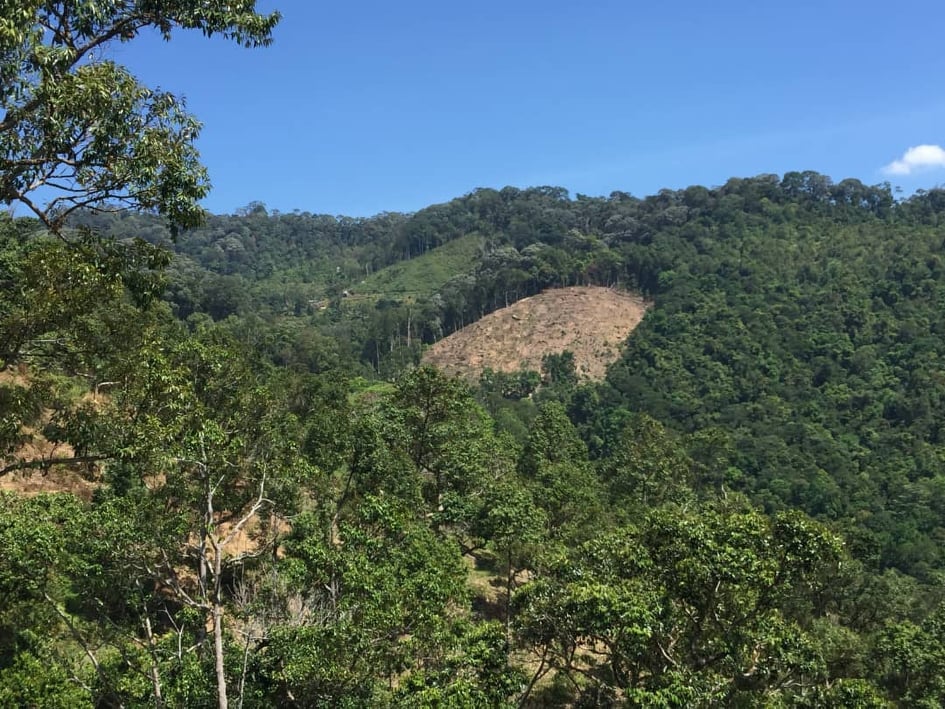
“They should also ensure that the farmers do not turn a site into an orchard as that requires terrace farming,” he said, explaining that the practice is harmful to slopes.
“I would suggest vegetable farming on hills as cash crops would hold the earth and not cause landslides that make soil and water rush down, leading to floods and flash floods in the foothills,” he said.
“One important thing is that only genuine farmers should be allowed to farm on the hills with a temporary occupation licence (TOL), and the authorities should not allow rich businessmen to do farming commercially just to enrich themselves.
“The TOL should be renewed to genuine farmers, and it should not be transferable as others can misuse the TOL for commercial reasons,” he added.
Kanda also shared his experience of going up the hills in Paya Terubong about 20 years ago when he found farmers planting flowers. He opined that flowering plants are not a good choice for Penang’s hills as they are different from Cameron Highlands, which has different climatic conditions.
He also said that present-day farmers at Paya Terubong were operating in Bayan Baru before it was developed in the early 1970s. They were pushed to the hills in Paya Terubong when their farmlands were taken up by the state for the Bayan Baru township. – The Vibes, October 9, 2021





.jpeg)