KUALA LUMPUR – The cash-strapped National Stroke Association Of Malaysia (Nasam) is making a plea for donations as the organisation risks folding up by the end of this year unless it can obtain sufficient funding.
Nasam founder and chairwoman Janet Yeo said the association, which has helped rehabilitate thousands of stroke patients over the past 25 years, is looking to raise at least RM1 million in order to sustain operations.
Speaking to The Vibes recently, Yeo said Nasam has been facing financial challenges since the beginning of the Covid-19 pandemic.
This has resulted in deductions of staff salaries, including more than 30 physiotherapists and administrative staff stationed in eight Nasam centres nationwide.
With more funds, she said, Nasam hopes to reinstate the salaries of the staff by the end of March at the earliest.
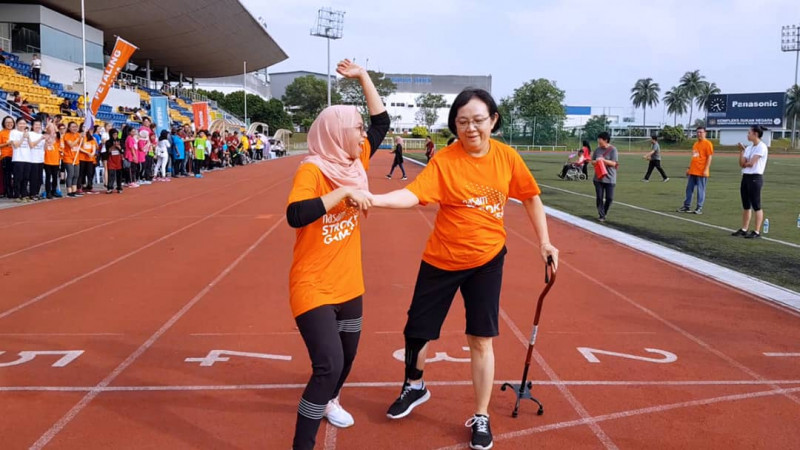
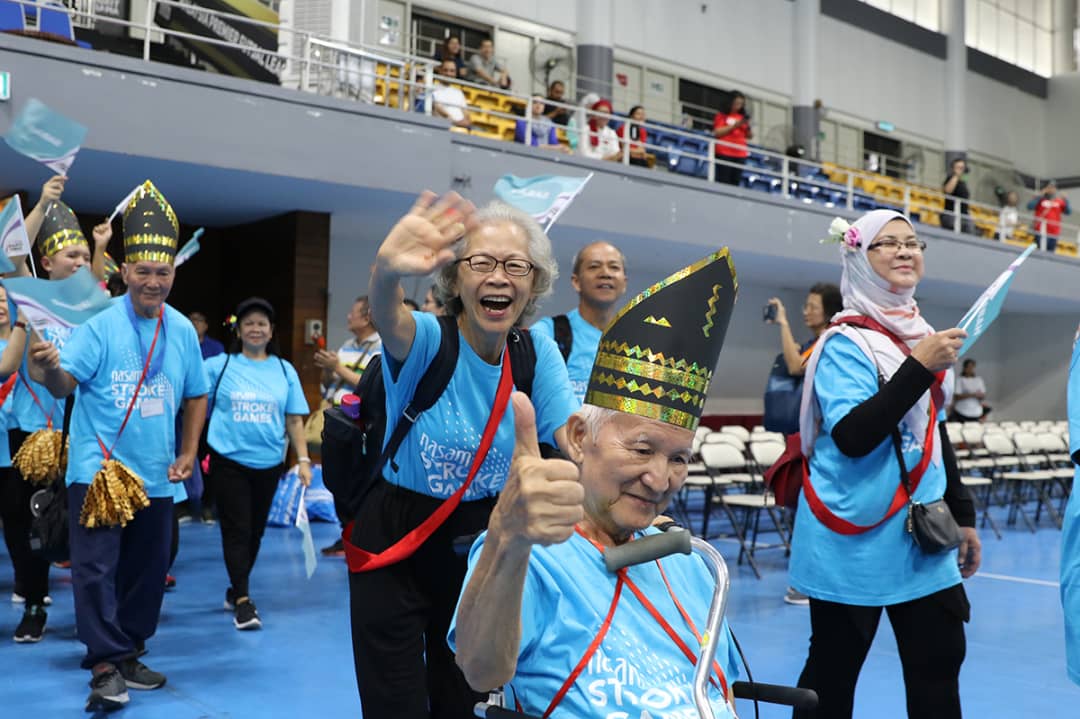
Yeo explained that Nasam is a non-profit organisation that helps stroke patients in their long journey of recovery by undertaking intensive rehabilitation over the span of months or years.
Moreover, she said, Nasam charges minimal fees of between RM300 and RM500 per month for stroke patients to seek therapy at its centres on a daily basis, but those unable to afford the payments are given treatment for free.
She said the RM1 million to be raised in the coming months will allow Nasam to last until the end of 2023.
“Some patients cried upon hearing of the possibility of us shutting down. They said they have nowhere else to go as it takes a long time to recover,” she said.
Holistic approach to recovery
Yeo said therapists in private health institutions would charge RM150 per hour on average, which is far beyond what Nasam’s patients can afford.
But at Nasam centres, the patients have appointments every day, while public hospitals would usually offer one or two sessions every month.
“Unlike the others, we provide a holistic approach to treatment, which covers the body, mind, and spirit,” she said.
“There are some patients who experience paralysis and become depressed, frustrated, and fearful of the future. Some of their spouses leave them as there are many emotional issues involved.”
With related mental health concerns in mind, Nasam also works alongside the Befrienders group to provide counselling and emotional support for the patients.
It has played an important role in the nation’s health ecosystem as the number of stroke patients in the country is very high, she said, stressing that globally one in four people suffer from the condition.
“We are not just helping them recover the movements of their legs and hands. We help them regain self-confidence and self-respect as many of them lose their self-esteem.”
Currently, the government does not offer specific stroke recovery programmes, she said.
Nasam has not received any government funding in more than a decade as it relies on donations by individuals, companies, and organisations such as the Yayasan Sime Darby and Yayasan Hasanah foundations.
Stroke patients getting younger
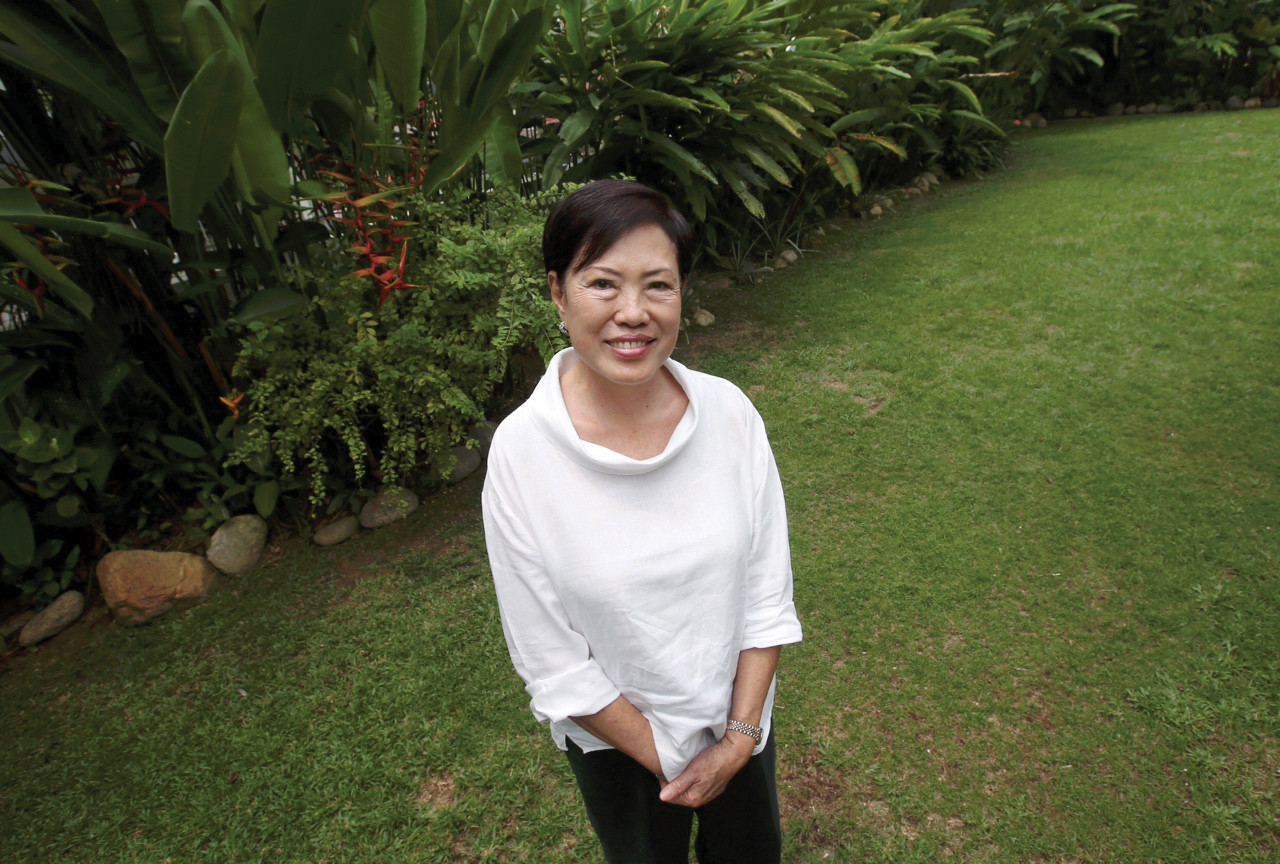
Yeo, a former managing director of outdoor advertising agency Union 25, formed Nasam in November 1996 after finding herself recovering from a devastating stroke that left her paralysed on the right side and deprived of her writing abilities.
She said the organisation has come a long way since it first started conducting exercise sessions on the porch of her home in Petaling Jaya.
Over the years, Nasam has opened branches in Penang, Kota Kinabalu, Ampang, Melaka, Ipoh, Johor Baru, Kulim, and Kuantan.
Based on her observations, Yeo said that although stroke sufferers tend to be among the elderly, some of her patients can even be teenagers.
However, being struck by the condition does not mean that their lives cannot improve, she said.
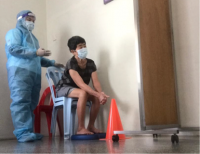
“We had a 17-year-old boy who lost his bodily movements and speech. His father had brought him to us when he was bedridden, and after six months he was able to walk and articulate words,” she recalled.
“We cannot leave this to government hospitals to solve. We also track the progress of the patients through our programme to ensure their recovery processes are optimised.
“Many of them have nowhere to go for rehabilitation and I will insist they come to see us everyday.
“They have to be consistent as they may be able to see results as early as three to four months if they come in regularly. Some patients are also able to go back to work within a year.”
Interested donors can visit Nasam’s webpage or call its finance division at 03-7956-1876 for assistance. – The Vibes, January 20, 2022