KUALA LUMPUR – Interpol has identified 100 suspects and overseen an undisclosed number of arrests in Asia and Africa, following an eight-week operation against wildlife trafficking activities involving 23 countries, including Malaysia.
According to an Interpol report recently, the operation saw the seizure of several thousand wildlife products.
The operation, codenamed Golden Strike, ended late last year and targeted criminals and syndicates smuggling wildlife protected under the Convention on International Trade in Endangered Species of Wild Fauna and Flora (CITES).
One example entailed international cooperation between police in South Africa and Malaysia that led to the arrest and prosecution of two suspects smuggling rhino horns between Africa and Asia.
Interpol noted that prior to the operations, participating countries had identified fugitives known to travel frequently between countries in Africa and Asia, as well as to and from the United States and France.
The fugitives, it said, were involved in the smuggling of ivory, rhino horns, pangolin, and tiger parts between Africa and Asia.
Owing to intelligence-sharing, the 23 countries involved enabled investigators to target emerging wildlife trafficking routes and carry out inspections at roadblocks as well as land, sea, and airport border points during the tactical phase of the operations between August and September last year.
Crimes against wildlife fourth-largest illegal trade globally
Interpol director of Organised and Emerging Crime Ilana de Wild said wildlife and forestry crime is the world’s fourth-largest illegal trade – tied to tax evasion, corruption, money laundering, and even murder.
She said organised crime groups use the same routes to smuggle protected wildlife through which people, weapons, drugs, and contraband items are transported.
Strong, coordinated responses such as Operation Golden Strike are needed to address the activities of trans-national organised crime groups involved in wildlife crime and to disrupt illegal trade chains across range, transit, and destination states.”
The countries that took part in the operations include Botswana, Cambodia, Cameroon, Central African Republic, Congo DRC, China (including Hong Kong), Gabon, Indonesia, Kenya, Laos, Madagascar, Malawi, Malaysia, Nepal, Nigeria, the Philippines, Singapore, South Africa, Tanzania, Thailand, Uganda, Vietnam, and Zimbabwe.
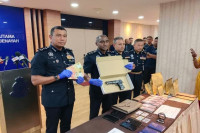
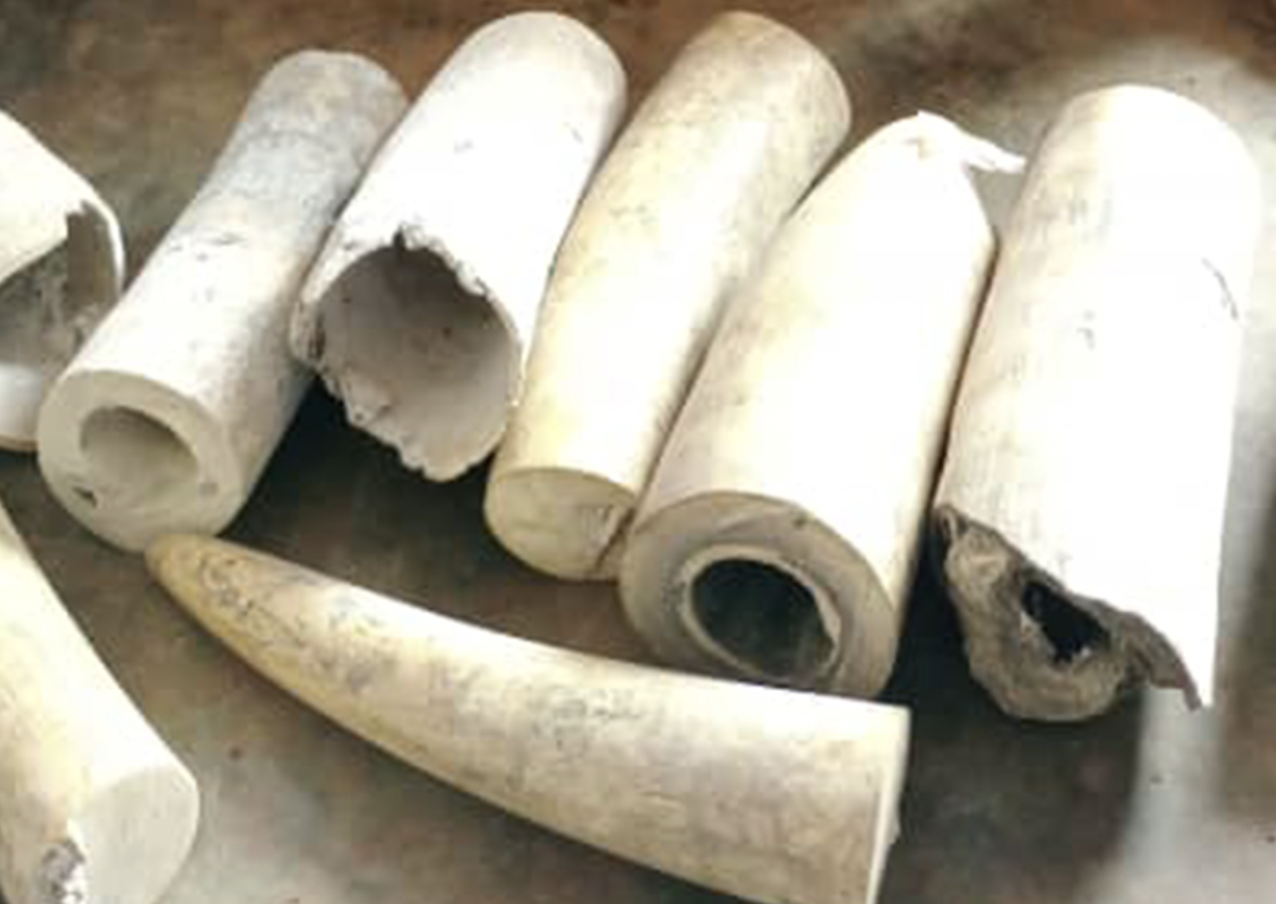
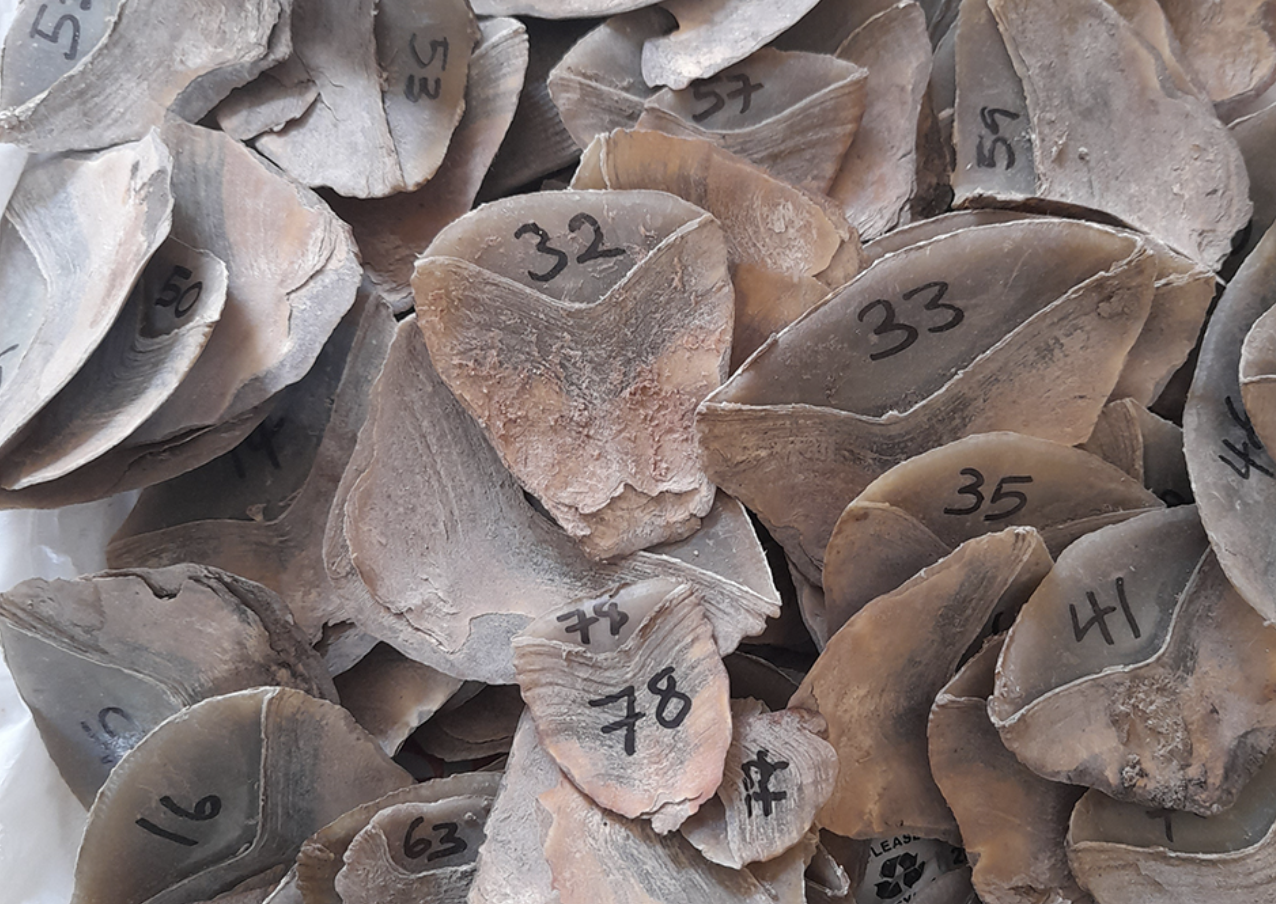
Items seized in Operation Golden Strike included 1,202 ivory pieces weighing more than four tonnes, 423 kg and 78 scales of pangolin species, 50 rhino horns weighing 72 kg, and 46 kg of totoaba bladders.
The operations also saw more than 3,785 pieces and 52 kg of mollusks, 42 shark teeth, 33 red corals, 1,336 other CITES protected species seized, with live specimens comprising three turtles and tortoises, and more than 120 birds.
Interpol’s National Central Bureau in Beijing head Duan Daqi had attributed the effectiveness of the operations to the cooperation between the countries involved.
“Operation Golden Strike has provided a platform for the participating countries to take action in synchronicity, signalling the strong resolution of police authorities in combating such crimes,” Daqi said.
Covid-19 travel restrictions fuel digital wildlife markets
The Interpol report said investigations found an increase of wildlife crime being committed online through e-commerce sites, social media platforms, and WhatsApp groups.
This was caused by travel restrictions over the past 18 months due to the Covid-19 pandemic.
In Thailand, authorities closed down 12 sites and opened investigations into 20 others.
Singapore’s Immigration and Checkpoints Authority also recently seized a consignment of bird cages containing 256 concealed ivory pieces, and stopped a similar shipment of 184 ivory pieces a month later.
The intelligence gathered during Operation Golden Strike – pooled by a wide range of police databases – has also sparked ongoing investigations in other parts of the world, especially in relation to cyber-enabled wildlife cases, Interpol said.
It said further arrests and prosecutions are expected as investigations progress around the world. – The Vibes, January 28, 2022