KOTA KINABALU – The glacial pace at which progress on the implementation of the Malaysia Agreement 1963 (MA63) is taking runs the risk of it being turned into election fodder, according to some political observers.
In addition, they alleged that MA63’s progress lacks checks and balances from opposition lawmakers, saying it could be due to the memorandum of understanding signed between Pakatan Harapan (PH) and the federal government last September.
Now, with negotiations still taking place between the federal government and the Borneo states, which might end up being parked under the Official Secrets Act, observers say Sabah could be getting a raw deal.
This is supposedly fuelled by the perceived lack of transparency between the federal and Sabah governments, with the consensus on the Commercial Collaboration Agreement (CCA) between Sabah and national oil company Petronas serving as an example.
Many questions begging to be answered
Sabah Rights Action Body Advocating Rights chairman Datuk Johan Ariffin said Sabahans want to know what was signed in the CCA.
“Further questions need to be answered – are we doing away with the claims of 20% oil royalty as promised by the previous PH government?
“Are we giving up our claims on the continental shelf with the CCA? Also, will Petronas provide enough gas feedstock for our second ammonia and urea plant that is vital for the state’s plantation and agriculture industry?
“Will Sabah’s newly formed oil firm SMJ Petroleum Sdn Bhd be run by professionals from the oil and gas industry? There are many issues begging to be answered,” he told The Vibes.
Sabah signed the CCA on December 7, followed by the incorporation of SMJ Petroleum Sdn Bhd the same day and the launch of the Sabah Gas Master Plan on January 6.
Constitutional amendment did not fully reinstate Borneo states’ equal partners status in Malaysian federation?
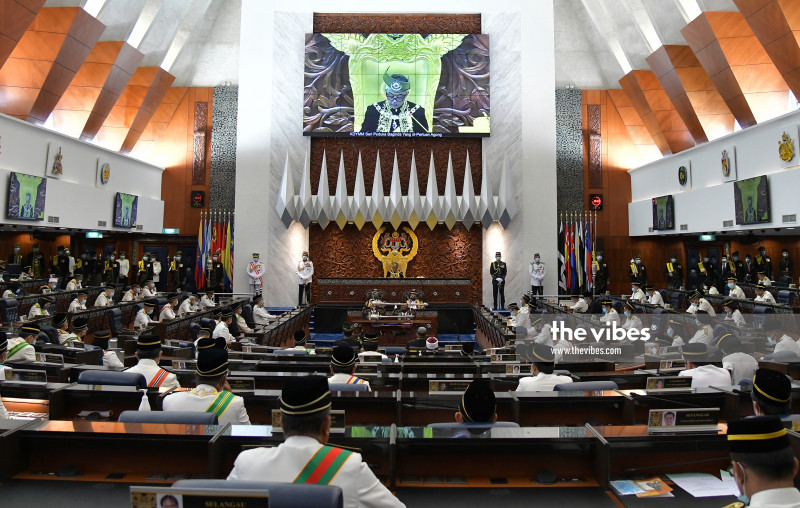
The move came in view of the constitutional amendment to include the MA63 in the federal constitution in Parliament on December 14 last year.
The amendment, which included revising Article 1(2) of the federal constitution, did not quite restore Sabah and Sarawak status as equal partners in the Federation of Malaysia, said observers.
However, constitutional expert Professor Datuk Shad Saleem Faruqi said special provisions in the constitution on Sabah and Sarawak have already put the Borneo states as “more than just equal partners”.
Despite there being criticism against a purported lack of transparency on the restoration of MA63, Sabah Chief Minister Datuk Seri Hajiji Md Noor had said the state would continue to fight for its rights.
Slow MA63 implementation merely a ploy for political mileage?
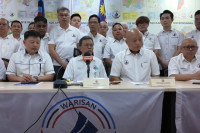
Warisan vice-president Datuk Junz Wong said a general election is likely to be called this year and that subsequently, those in the ruling parties may use the issue of state rights as fodder.
“If you ask me, this is all just a drama to show that those in power are doing work.”
He also took a swipe at the number of committees set up to oversee the MA63 implementation.
“If they are truly genuine, just implement it. There are too many committees. They can resolve the problems by implementing what is already outlined in the federal constitution and MA63.”
State committee to hold federal government accountable?
Meanwhile, it is understood that the Sabah government is now in the midst of setting up a state committee to look into the implementation of MA63.
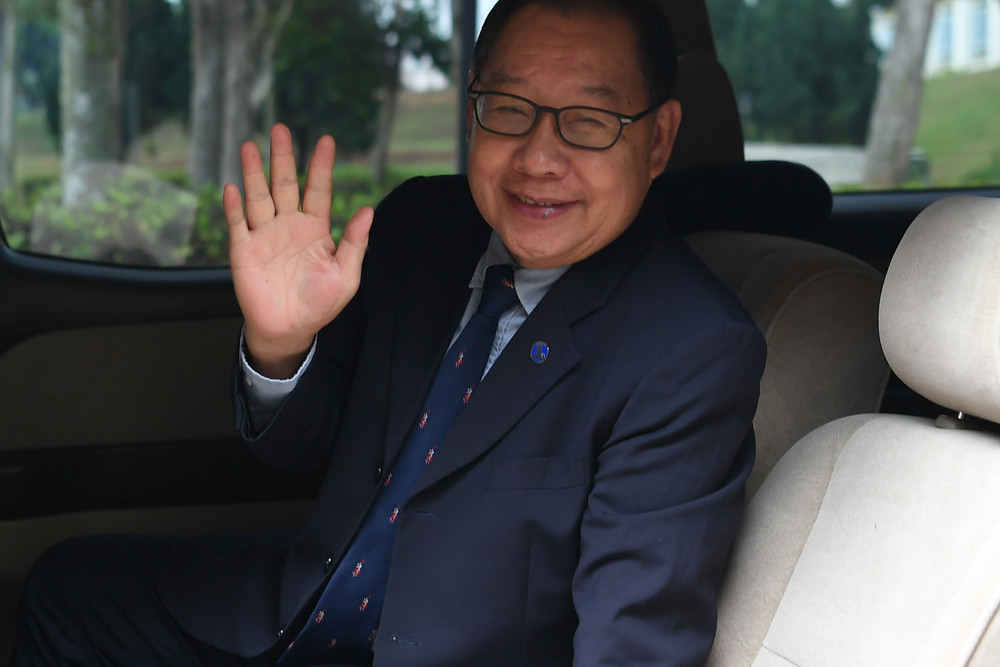
A source in the Sabah cabinet said that Hajiji would be appointing Deputy Chief Minister Datuk Seri Jeffrey Kitingan to chair the said committee.
“A meeting will be called soon for this new committee. This is to ensure the work on MA63 will not stop after the constitutional amendment. It is to make sure it does not stop there. We cannot leave it like that,” said a source familiar with the matter.
He said the committee will be tasked to map out what needs to be done, to look into matters that will benefit the state, and propose a timeframe to fulfil all MA63’s terms.
“They include the restoration of the head of state status to Yang Di-Pertua Negara Sabah, which was the original title for the position, as well as the devolution of powers.
“We already secured the rights for deep sea fishing, but Sabah needs now to come up with an enactment to further assert its rights over state waters,” he said.
Possible to seek independent assessor’s help if federal govt and Borneo states cannot reach consensus: source
The source added that while Sabah Local Government and Housing Minister Datuk Seri Masidi Manjun now heads the revenue rights federal-state committee, the matter of finances can be resolved in other ways, assuming Putrajaya and Sabah cannot come to a consensus.
“If both parties could not agree, we can get an independent assessor over this matter.
“Although this is still a long way to go, we can first propose a settlement, taking into consideration the federal financial position.”
The source said the federal government can note what they owe to Sabah as a backlog until it is financially prepared, but ultimately, must implement all constitutional provisions.
Sabah is entitled to 40% of the revenue collected by the federal government from the state.
The federal government also owes Sabah since the 1970s, after it was decided that Sabah’s entitlement was a fixed payment as opposed to the 40% distribution. – The Vibes, February 11, 2022